
On this pageTable of contents+
- 1. Target topics people search for
- 2. Keep the channel topic focused
- 3. Give viewers what they expect
- 4. Repeat formats that work
- 5. Publish on a consistent schedule
- 6. Add videos to playlists
- 7. Link to the YouTube channel from other places
- 8. Use YouTube's interactive features
- 9. Ask viewers to subscribe
- Final thoughts
- References

The source article describes a set of repeatable tactics that helped the Ahrefs YouTube channel gain subscribers.
The nine methods are: target topics people search for, keep the channel topic focused, satisfy the viewer's expectation, repeat effective formats, publish consistently, use playlists, link to the channel, add interactive features and ask viewers to subscribe.
- Target topics people search for.
- Keep the channel topic focused.
- Give viewers what they expect.
- Repeat formats that work.
- Publish on a consistent schedule.
- Add videos to playlists.
- Link to the channel from other properties.
- Use YouTube's interactive features.
- Ask viewers to subscribe.
1. Target topics people search for
People cannot subscribe before they watch. The first task is therefore to earn relevant views.
One way to do that is to make videos about topics people already search for and then optimize the video for YouTube Search.
The source recommends beginning with a YouTube keyword tool. Enter a broad subject to find related phrases and estimated monthly search demand.
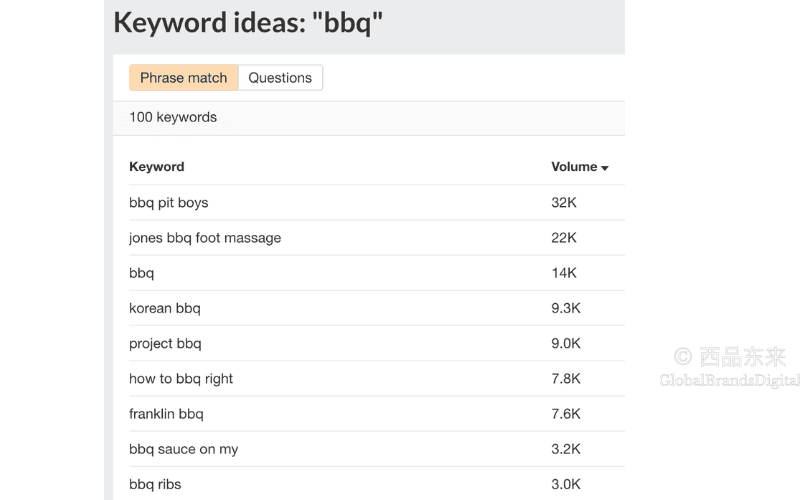
For a larger set of ideas, the source points to Ahrefs Keywords Explorer and its YouTube keyword database. The database size cited in the historical source reflects the product at the time of writing.
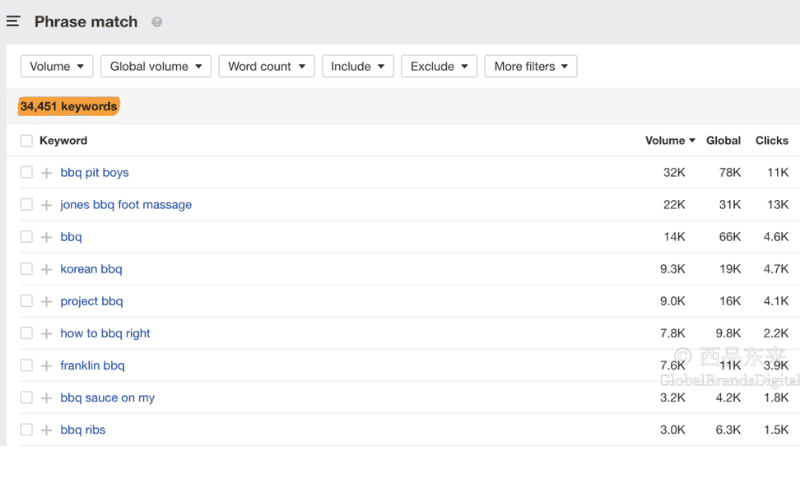
After selecting the topic, create a video that satisfies the query and optimize its title, description and presentation for the result set.
If a stable proportion of viewers eventually subscribe, more qualified views can create more opportunities to gain subscribers.
2. Keep the channel topic focused
Search demand alone does not make a topic suitable for the channel.
The source gives "Hainanese chicken rice" as an example. It showed about 3,000 monthly searches in the United States at the time.
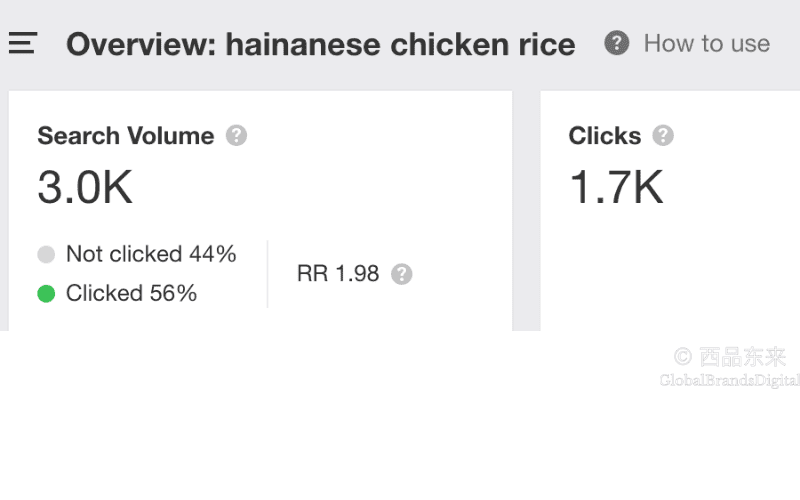
An SEO software channel might rank a cooking video and gain views, but the topic would not match what its subscribers expect.
That mismatch can cause two problems. Some viewers may unsubscribe, and existing subscribers may ignore the video or leave negative engagement signals.
Engagement can affect whether a video performs in YouTube Search and whether YouTube recommends it beside related videos.
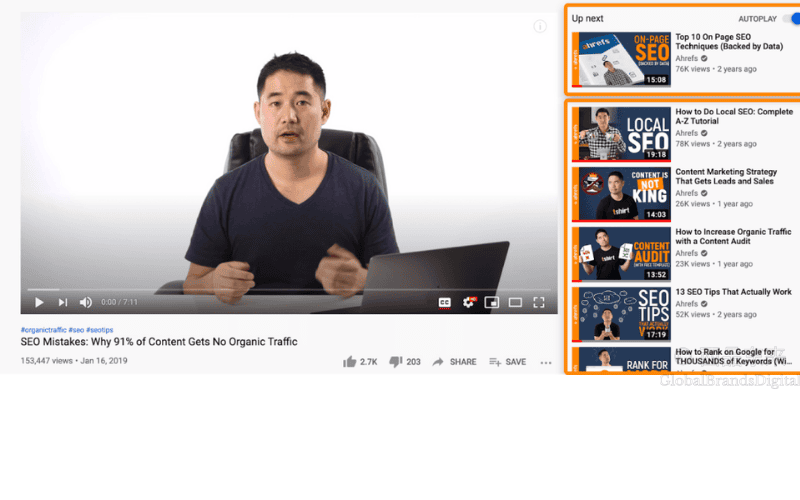
Search and suggested videos can provide recurring views, which can support a continuing stream of subscribers.
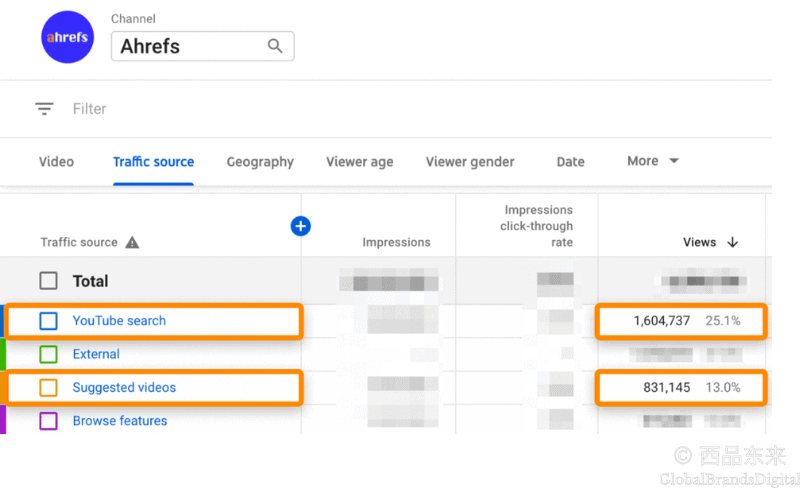
Keep the subject narrow, especially when the channel is new. Ahrefs initially concentrated on SEO topics.

A focused topic made it easier to retain subscriber interest and helped the platform find other viewers with similar interests.
3. Give viewers what they expect
A video titled "Tesla Model 3 versus Tesla Model Y" will lose viewers if its opening spends three minutes discussing BMW. The content needs to deliver the promise made by the title and thumbnail.
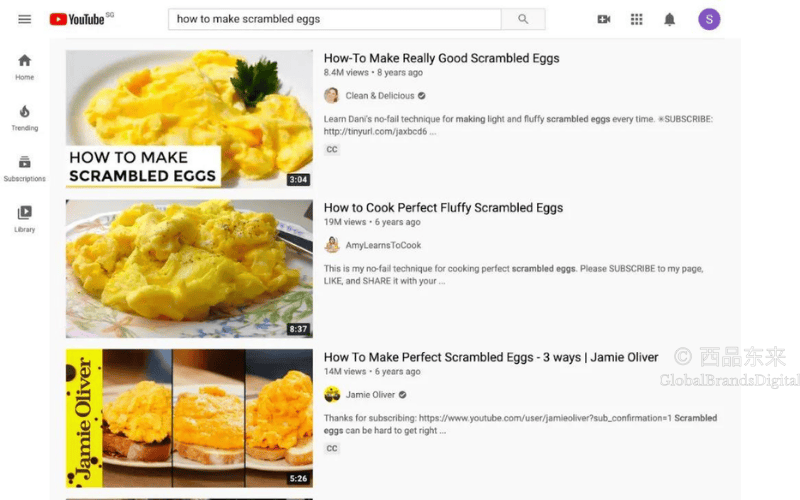
For some queries, the expected format is obvious. Someone searching "how to make scrambled eggs" is likely looking for a demonstration or tutorial.
The leading YouTube results in the source followed that format.
Other queries are ambiguous. For "Nintendo Switch games," viewers might want reviews, recommendations or gameplay.
Search the topic on YouTube and inspect the leading formats. In the source example, most results were collections of the best games.
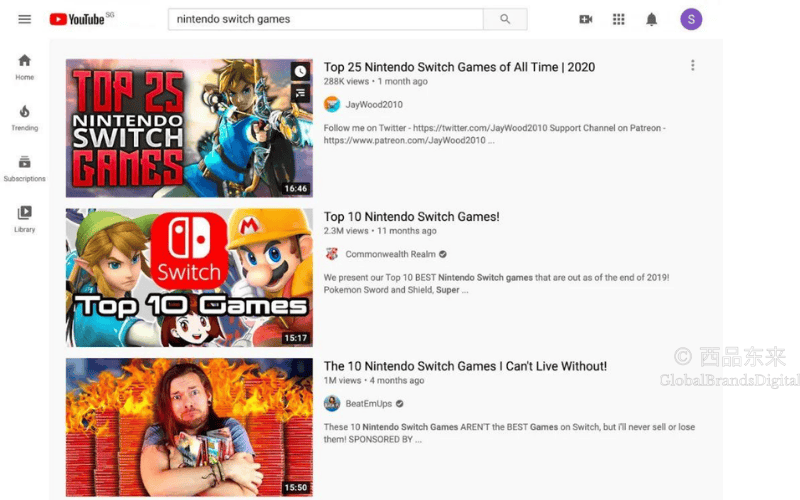
When one format dominates the result set, a video usually needs to satisfy the same underlying expectation before it can compete. It can still differentiate through evidence, presentation and point of view.
4. Repeat formats that work
Channel growth was not a sequence of uninterrupted successes. The source also records a failed experiment.
In 2018, presenter Sam Oh visited the Ahrefs office in Singapore. The channel had about 30,000 subscribers, and the team expected viewers to enjoy a travel vlog.
The assumption was wrong. The Singapore vlog was the channel's only video in the cited report to produce zero subscribers.
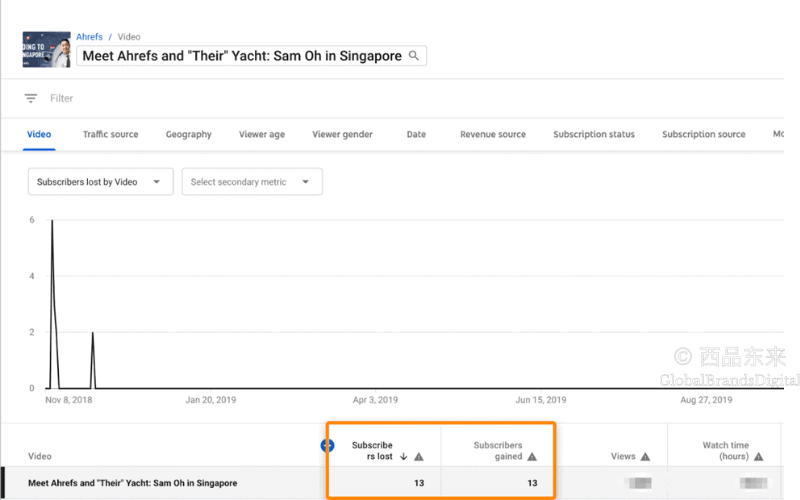
The team removed the video from the public list. Its subscribers were looking for SEO and digital-marketing tutorials that could help their websites, channels or businesses.
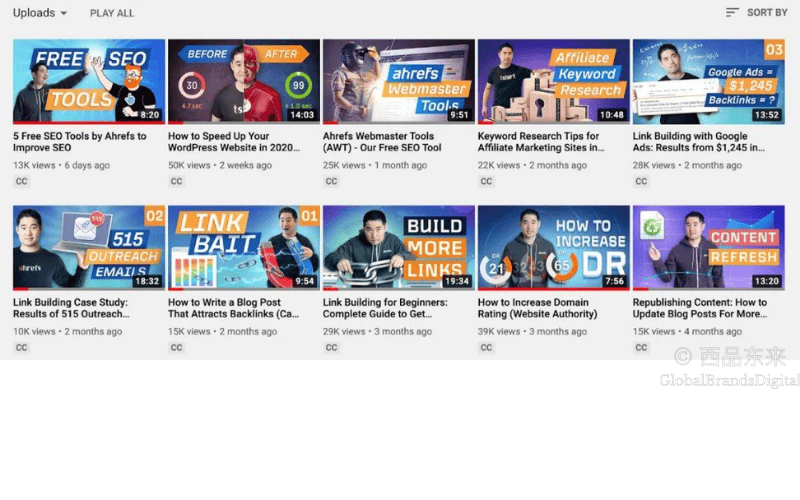
This does not mean a channel should never test a new format. The team should recognize a format that consistently works, continue producing it and test changes deliberately.
5. Publish on a consistent schedule
The source reports that Ahrefs subscriber growth began to accelerate when the team started publishing one video each week in 2018.
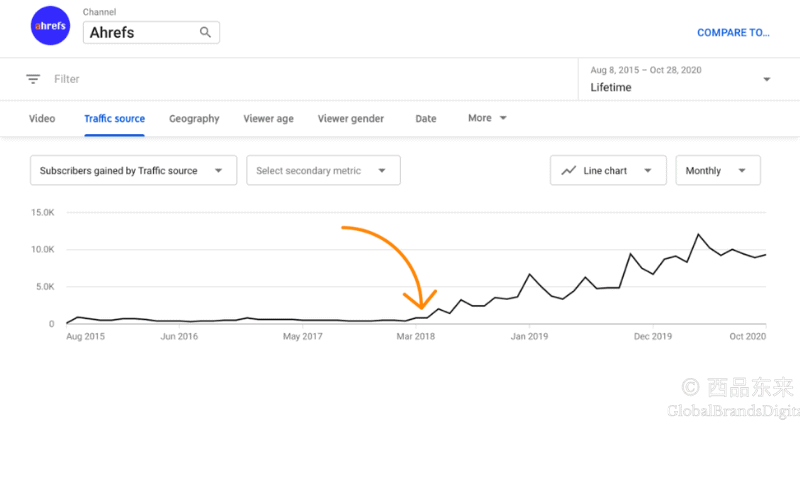
A reliable schedule produced more useful content, which created more opportunities for views and subscriptions.
Choose a schedule the team can maintain. Consistency prevents the common pattern of publishing once and then disappearing for several months.
The schedule does not have to be weekly. The important point is to set a cadence that the team can sustain without lowering the quality of each video.
6. Add videos to playlists
YouTube allows one video to appear in several playlists.
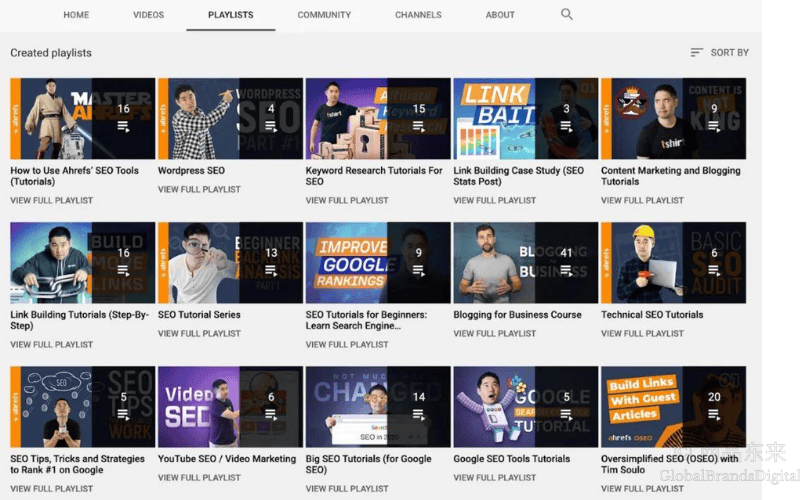
A playlist does not create a subscription by itself, but it can make a second relevant video easier to find. More useful exposure gives a viewer more evidence before deciding to subscribe.
Well-organized playlists can improve navigation, engagement and the path through a series of related lessons.
7. Link to the YouTube channel from other places
In the historical channel analytics, the channel homepage was the second-largest source of subscribers.
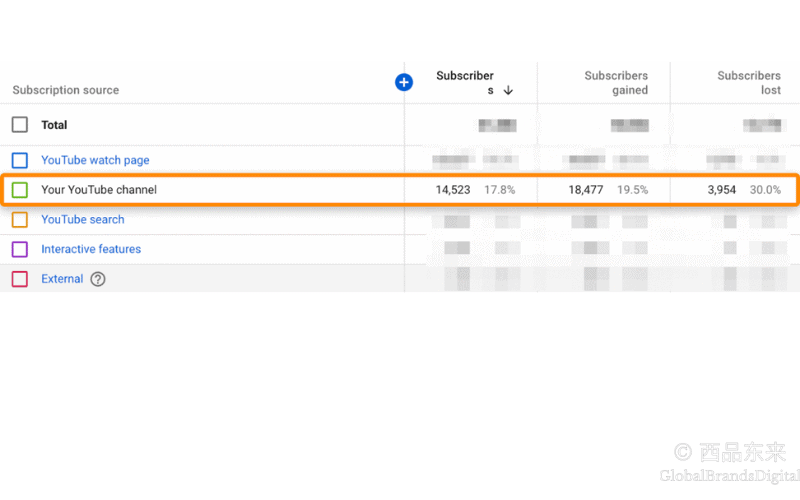
Sending more relevant people to the channel homepage can therefore create more opportunities to subscribe.
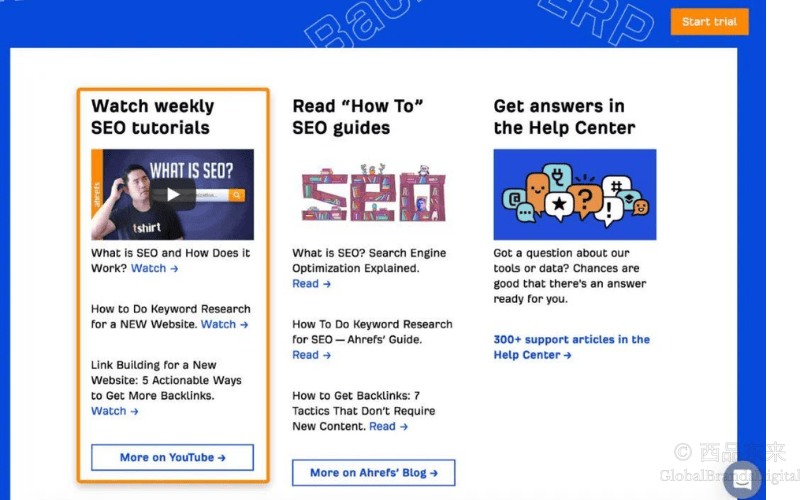
Ahrefs linked to the channel from its website homepage.
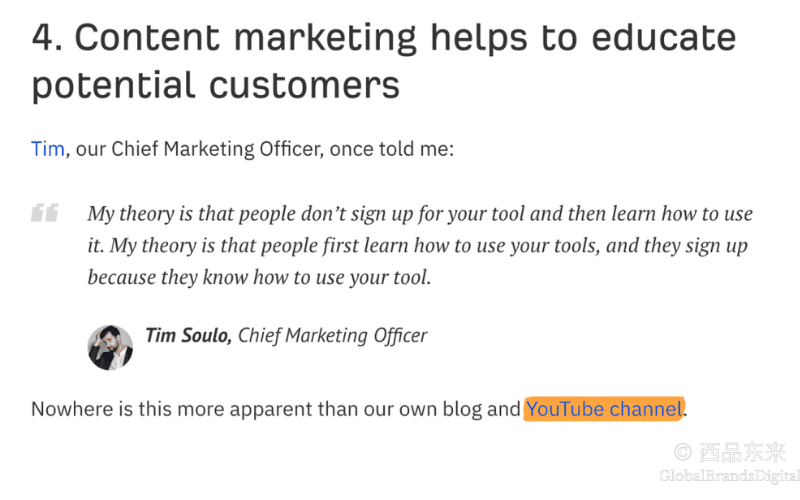
The company also linked from relevant blog articles.
The team used channels it did not control as well. During podcast or conference interviews, speakers could tell listeners to search for Ahrefs on YouTube.
Hosts could then include a direct channel link in the show notes or accompanying article.

8. Use YouTube's interactive features
YouTube provides interactive elements that can invite viewers to subscribe. One option is a channel watermark.
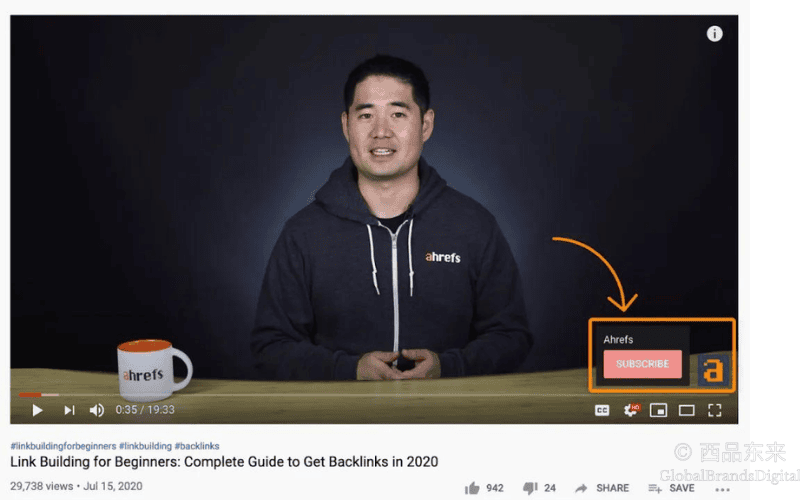
When a viewer clicks the watermark, YouTube can display a subscribe button. A subscribe element can also appear on the end screen.
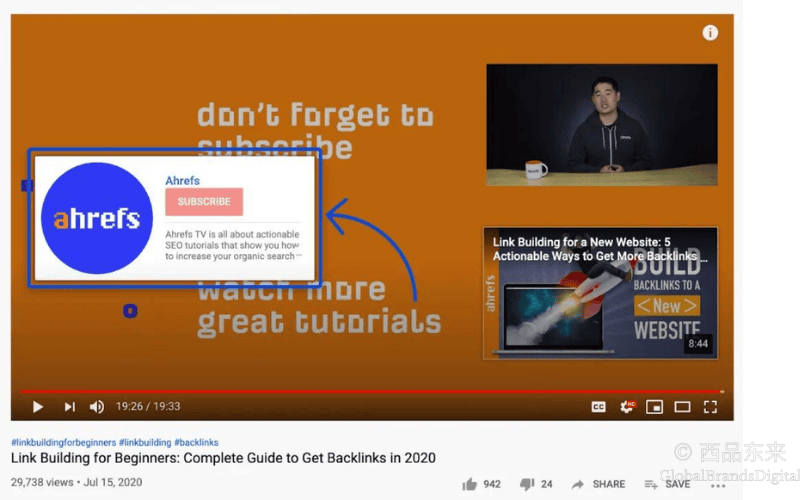
These features accounted for only 1.5% of the channel's subscribers in the cited 2020 data. The source warns against expecting them to transform growth on their own.
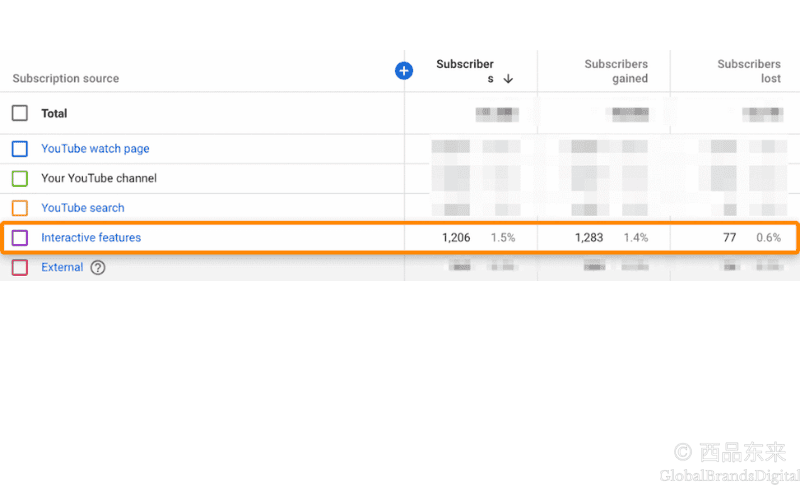
They take little time to configure and can still contribute, so the source considers them worth adding.
9. Ask viewers to subscribe
Not every viewer is already a subscriber. A clear request can remind an interested person to act.
The source recommends a simple structure: make the request and explain the benefit. A regular tutorial might say, "Subscribe for more practical SEO and marketing tutorials."

For a series, the reason can be: "Subscribe so you do not miss the next video in this series."
Do not repeat the request throughout the opening, middle and closing. Excessive prompts are distracting and may discourage the very action they seek. The source placed the request near the end.
Final thoughts
The source reports that these tactics worked for the Ahrefs YouTube channel. Results still depend on the subject and audience. Video quality, competition and consistent work also affect them.
The article's central sequence is straightforward: earn qualified views, meet the viewer's expectation, help people find another relevant video and make one respectful subscription request.
Chinese translation credited in the source to John Zhao, founder of the SEOZZR blog.
References
- Ahrefs YouTube channel
- How to Get More YouTube Subscribers in 2020
- Ahrefs YouTube Keyword Tool
- Ahrefs Keywords Explorer
- Ahrefs data overview
- Ahrefs YouTube SEO tutorial
- Referenced YouTube video
- Sam Oh
- Ahrefs: What is SEO?
- Ahrefs: Why content marketing matters
- Ahrefs: How to get more YouTube views
- Ahrefs: Video SEO