Build an owned platform for discovery, conversion and change
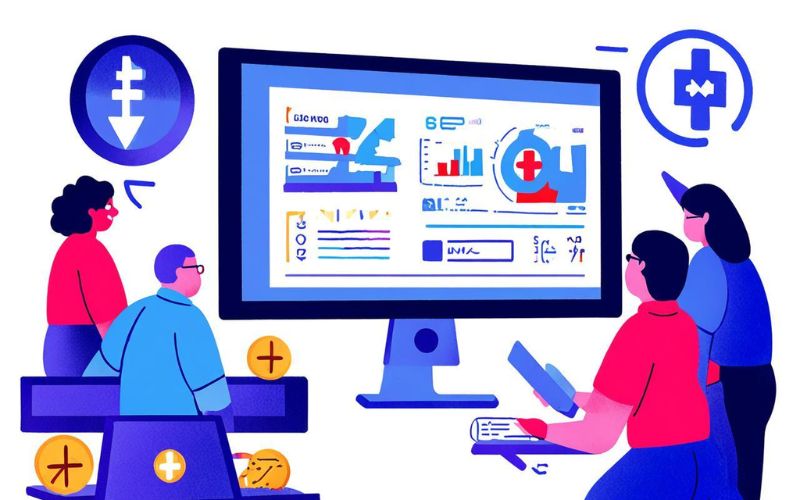
GlobalBrandsDigital focuses on building websites intended to bring in suitable customers. Instead of creating a decorative site alone, we present the brand, help suitable customers discover it and guide them toward appropriate actions. The Chinese source says the team has applied its website strategy across more than 200 projects, including specialist categories such as vaping and cryptocurrency and professional sectors such as healthcare and finance. That is a source statement, not an independently audited result or a promise that a new site will achieve the same outcome.
Tell us what you need, and we can define a tailored website plan.
Why Choose GlobalBrandsDigital for Website Construction?
We do more than assemble pages. We help you create an online destination that is designed to support the route from discovery to enquiry or purchase.
Many Businesses Invest Heavily in a Website and Then Find That:
- Google cannot find it: several months after launch, the site still appears far beyond the first results pages.
- Visits do not become enquiries: the site receives traffic, but very few visitors take the intended next step.
- The mobile experience is poor: slow loading and broken layouts cause prospective customers to leave quickly.
- Maintenance is expensive: every content change depends on a technician, adding time and cost.
We Address These Problems from the Beginning So the Website Is:
- Google-friendly: its technical structure follows sound SEO practices intended to support crawling, indexing and relevant visibility. Rankings and indexing speed remain outside any provider's control.
- Designed to persuade: visitors are guided toward contacting the business or completing a purchase, but no particular result is promised.
- Mobile-first: the interface adapts to different devices and is tested for fast, smooth browsing.
- Practical to manage: an approachable administration system lets the team update approved content without routine developer assistance.
A conventional website builder may deliver a page that opens. The source positions our deliverable as a business tool that remains available around the clock. The signed scope must still define the features, service levels and maintenance responsibilities.
Professional Platform Website Services
We provide WordPress and Shopify website services, as well as fully independent builds, for different operating requirements.
WordPress Website Construction
- Suitable for corporate sites, publishing-led websites and requirements that need custom functions.
- Custom themes and plugins developed for the agreed project instead of applying an off-the-shelf template unchanged.
- An SEO-aware structure intended to make content easier to crawl and index.
- Visual administration tools that make routine content updates easier.
- Support for extensions such as multilingual publishing and membership systems where they are included in scope.
Shopify Website Construction
- Focused on cross-border ecommerce and independent brand stores.
- Custom theme development that reflects the brand rather than relying on a generic storefront.
- Suitable payment and logistics services can be connected when the provider supports the market and accepts the merchant.
- Product presentation and shopping journeys designed to reduce avoidable friction.
- Professional SEO settings intended to support international search visibility without guaranteeing positions.
Independent Website Construction
- A fully tailored independent website for a company or individual.
- An end-to-end service from design through launch.
- We can connect APIs, analyze data and automate approved workflows when the scope and technology allow it.
- Responsive design for consistent presentation across supported devices.
- Continuing maintenance and technical support under an agreed service scope.
How We Build a Website That Can Bring Customers
The source presents a seven-step professional process in which each stage is intended to support the client's business growth. Outcomes still depend on the offer, market, budget, content, implementation and continuing operation.
1. Communication and Research

What does your business do, and who are its customers? Every website begins with communication. Through detailed discussion, we learn the characteristics and goals of the business, identify its central strengths and consider what its customers actually need.
Instead of beginning production immediately, we also conduct keyword research, industry analysis and competitor research. The aim is to identify market opportunities and gaps and use them to define a distinctive position for the site.
We do not ask only what you want. We help determine what is materially important to the project.
2. Website Design
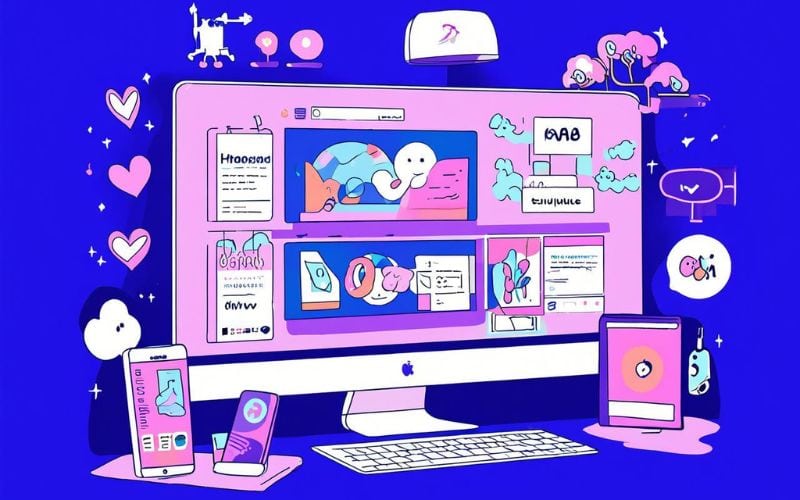
Rather than applying a fixed template or making the site difficult to edit, we provide tailored page design together with controlled drag-and-drop editing. The goal is a site that is visually appropriate and practical for the client's team to use.
Industry-specific design: the site begins with the industry, brand and approved operating needs so its style and features support the intended customer journey.
Data-informed design: keyword research, observed user behavior and competitor research inform decisions intended to attract the right visitors.
User-experience work: page structure and interaction details are reviewed against likely user behavior so important actions are clear and smooth.
Responsive design: presentation is adapted not only to screen size but also to common behavior on supported devices.
Approachable editing: visual editing tools and straightforward training help the client's team adjust content as the business changes.
Flexibility and expansion: the design accounts for foreseeable extensions instead of satisfying only the immediate launch requirement.
3. Website Development
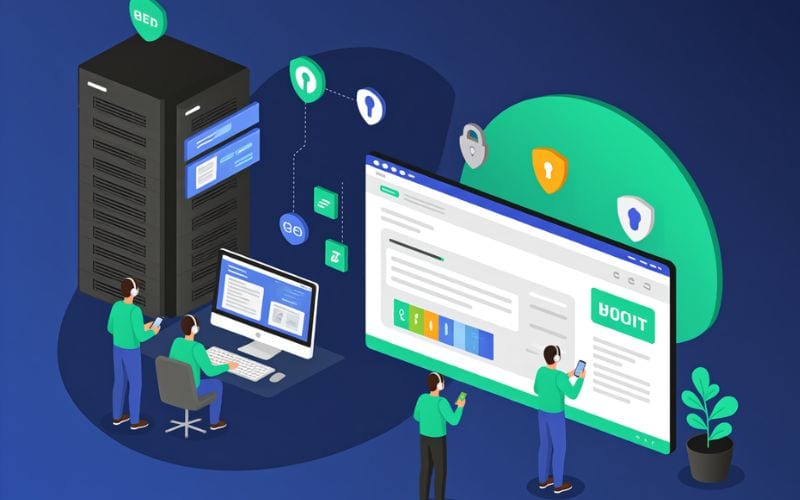
We deliver a stable website that uses appropriate safeguards and provides the features defined in the project.
Website ownership: after we finish, the client should retain practical control of the source code, data and administrative access. The signed terms list any third-party licences and exceptions.
Custom functions: when included in scope, we develop or connect tools for online payments, members and orders.
Data security: the site can use HTTPS, protective services and suitable encryption. No website can be promised complete immunity from attacks, outages or data loss.
Ease of use: an understandable administration area and basic training help non-technical users manage routine content.
Expansion: the architecture is planned to support suitable later improvements as the business grows.
After-sales service: technical support and maintenance are available under the response times and responsibilities agreed for the engagement.
4. Foundational SEO
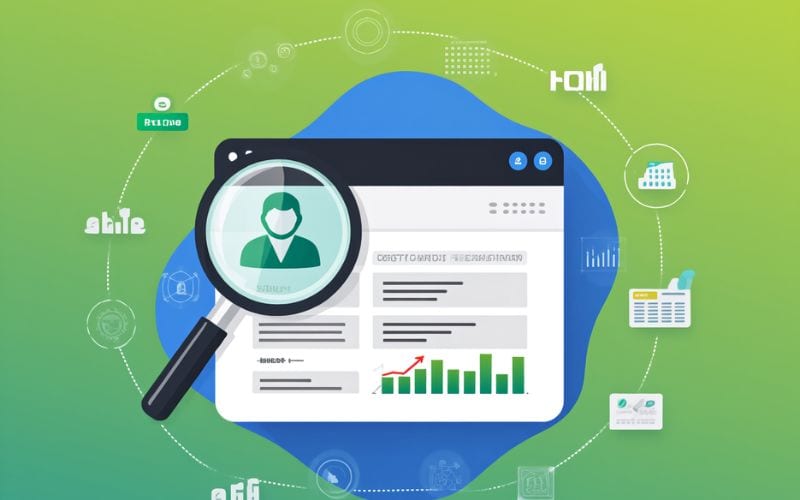
A useful website must be discoverable as well as persuasive. We address site structure and content planning so the implementation follows sound search-engine practices.
Keyword-to-page planning, performance work and structured data can help a site compete for relevant demand. They cannot ensure crawling, indexing, rankings or traffic.
5. SEO Content Writing
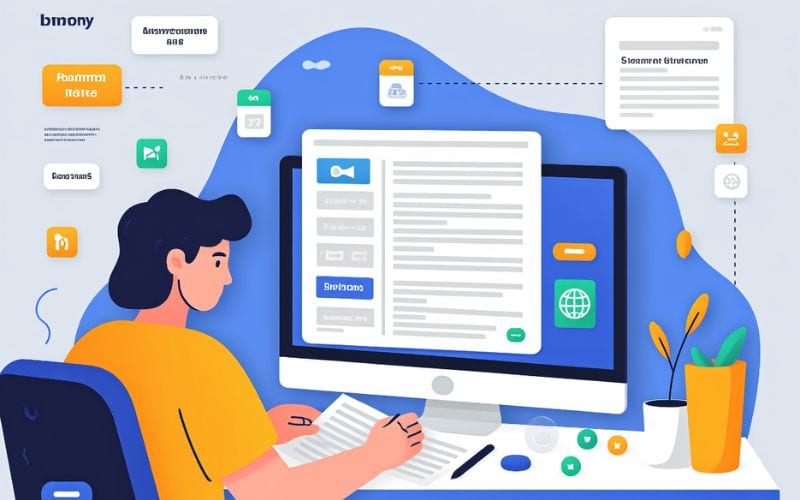
Using the industry's characteristics and target search demand, we develop a content plan and can create articles, product descriptions and blog material intended to help users understand and trust the offer.
Multilingual content can support international markets. Appropriate updates keep important information current. Language coverage, publishing frequency and deliverables depend on the agreed program.
6. Website Testing and Launch
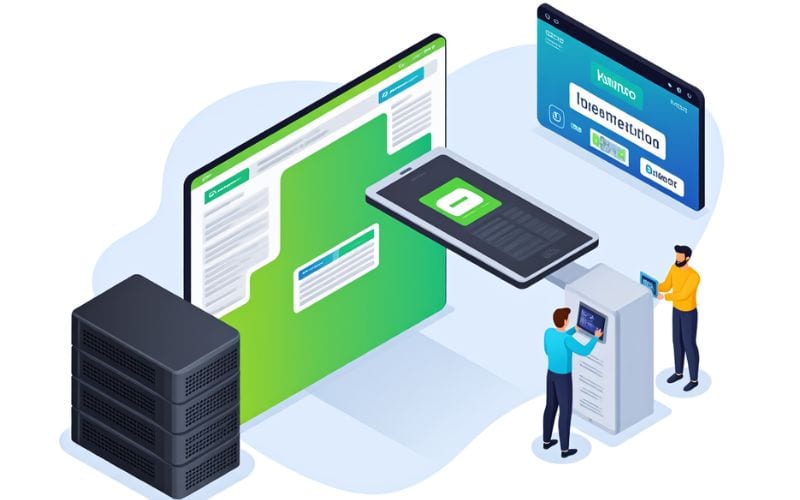
Before launch, we test the functions, supported-browser and device behavior, and loading performance. Payment systems, forms and other critical journeys receive checks appropriate to their scope.
We also configure the agreed hosting and domain settings and submit the sitemap to Google. Submission does not guarantee that Google will crawl or index every URL.
7. Continuing Optimization and Support
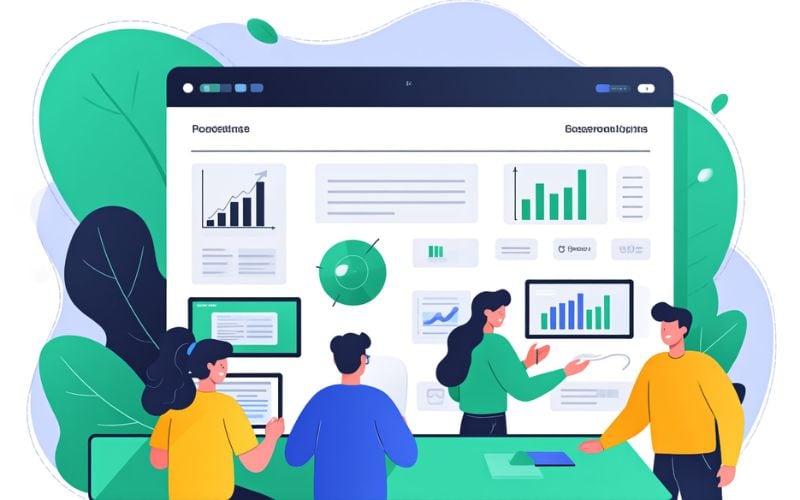
We offer continuing technical support and measurement. The work can review traffic sources, adjust the plan and extend suitable functions as requirements change. The maintenance plan defines monitoring, response and release responsibilities.
How GlobalBrandsDigital Differs from a Conventional Website Builder
The comparison below translates the Chinese source's positioning. It describes recurring problems the source associates with a conventional builder; it is not a claim that every supplier works in the same way.
| Comparison | Conventional website builder | GlobalBrandsDigital |
|---|---|---|
| Design approach | Uses a fixed template that can make the brand difficult to distinguish | Tailors the site to the business requirements and brand |
| Editing flexibility | Changes depend on a technician and can be costly | Provides drag-and-drop editing for approved areas so non-technical users can adjust content |
| Security | May overlook security and data safeguards | Defines HTTPS, encryption and suitable safeguards for the agreed scope |
| Website ownership | May restrict the client's practical control of the site | Gives the client practical control of the source code and data, subject to signed terms and third-party licences |
| Feature expansion | Provides fixed functions that can make later expansion difficult | Uses a flexible architecture intended to support agreed additions and improvements |
| After-sales support | Provides limited help after handover and may respond slowly | Offers continuing technical support and maintenance under defined response terms |
A Variety of Website-Building Services
Our website work covers different types of project, from brand presentation and marketing journeys to service delivery and international expansion. We tailor the design and features to help the organization operate online and pursue growth.
Website Production Services Across Industries
The source says the team has built projects in difficult or sensitive categories such as vaping, adult products, cryptocurrency and cannabis, as well as highly competitive categories such as laser engraving and robotic vacuum cleaners. These are source-reported areas of experience, not an assurance of regulatory approval or project results. Suitability and compliance must be reviewed for the relevant product and market.
Our Website Construction Packages
Foundation Package
For a business or individual at an early stage that needs a straightforward presentation site.
Services listed by the source:
- Simple website design.
- A responsive layout for mobile and desktop.
- Core pages such as Home, About and Contact.
- Foundational SEO.
- Launch support.
Standard Package
For a small or medium-sized company that needs both tailored design and common operational features.
Services listed by the source:
- Tailored website design.
- A multi-page structure, such as product and case-study pages.
- Forms for enquiries, registration or other agreed actions.
- Connection to an analytics tool such as Google Analytics.
- An entry-level content management system.
Advanced Package
For an organization that needs stronger functions and a more individualized design.
Services listed by the source:
- Advanced tailored design.
- Advanced tools for members and payments.
- Comprehensive SEO work within the defined scope.
- Social-media integration.
- Multilingual support.
Flagship Package
For a larger company or premium brand seeking a tailored experience and broad features.
Services listed by the source:
- Premium tailored design and interaction.
- Specialist functions such as ecommerce and CRM integrations.
- Dedicated-server deployment where appropriate.
- Advanced SEO and marketing support.
- Continuing operations and maintenance services.
The exact deliverables, licences, platforms, support boundaries and price of every package must be confirmed in the current proposal. The source also lists the following optional services.
SEO Optimization
Work intended to improve relevant search visibility and attract suitable visitors without guaranteeing rankings or traffic.
SEO Training
SEO training intended to help an internal team develop its own optimization skills.
SEO Consulting
Continuing strategic support and guidance from a consultant under an agreed advisory scope.
Content Marketing
A tailored content plan intended to strengthen brand communication and support conversion.
Managed Website Operations
Content updates, maintenance and operating support managed for the client under defined responsibilities.
Whether you need one service or a broader program, the source says the team can adapt the scope to the organization's requirements.
Request a website construction consultation if you need help choosing the current scope.
Feedback from Partners
The following quotes come from the Chinese source. They are not independently verified and do not predict what a new project will achieve.
"The GlobalBrandsDigital team redesigned our corporate website. Within three months of launch, organic-search traffic increased by 180%, and the number of enquiries doubled."
Mr. Zhang, marketing director at an industrial-equipment manufacturer; source-provided statement
"As a seller in a specialist category, we had previously been turned down by many website companies. GlobalBrandsDigital addressed the compliance issues and also helped us maintain stable traffic."
Lisa, founder of a health-technology brand; source-provided statement
"I never expected one website to make such a difference. The membership system and online booking raised our conversion rate by 65%."
Manager Wang, operations lead at a premium education organization; source-provided statement
"We worked with three website companies. GlobalBrandsDigital was the only team that combined visual design and marketing functions. Our ecommerce conversion rate doubled."
Mr. Chen, ecommerce director at a smart-home brand; source-provided statement
Choose GlobalBrandsDigital and Begin Your Digital Future
Discuss the current requirements, suitable platform, scope and next steps with our team.
Frequently Asked Questions About Website Construction
How Long Does Website Construction Usually Take?
The source gives a typical range of four to six weeks for a foundation website and eight to twelve weeks for a more complex or heavily tailored project. These are planning estimates, not deadlines. Timing depends on approved features, whether content is ready, how quickly reviews happen, connected services, testing findings and change requests. The project plan should state the current milestones.
How Is Website Construction Priced?
We price each project according to what the site must do, how extensively it must be designed and the development work involved. The source says the team provides transparent quotations and can propose options for a straightforward presentation site or a more complex ecommerce platform. The written proposal determines the current price and exclusions.
Do You Provide Maintenance After Launch?
Yes. The source lists technical support, function upgrades and security monitoring. Clients can select a recurring maintenance package or request work when needed. Availability, monitoring coverage, response times and fees must be set out in the service terms.
Does Website Construction Include SEO?
The source says every project includes foundational SEO such as structural work, mobile adaptation and keyword placement. Clients who need a deeper program can add services such as content strategy and link building. Search visibility and rankings are not guaranteed.
What Materials Must the Client Provide?
The usual inputs include brand assets such as a logo, product images and copy. If the client does not have finished material, the source says design and writing can be added to the engagement.
Can Our Team Manage the Content After Completion?
Yes. The delivered website includes an approachable content management system and operating training. The source also describes online support for routine questions, subject to the agreed support scope.