
On this pageTable of contents+
- 1. Why SEO Matters for a Vertical Ecommerce Site
- 2. Five Common Ecommerce SEO Mistakes
- 3. Keyword Research
- Keyword-Research SOP for Ecommerce
- 4. On-Page SEO
- Source-Derived Working Notes
- Audit the five recurring ecommerce problems as a connected system
- Move from marketplace language to an intentional site map
- Treat keyword metrics as estimates, not verdicts
- Use search intent to choose the page before writing it
- Turn research into a reviewable production brief
- Write metadata and URLs for recognition and clarity
- Make image optimisation serve people first
- Use internal links to join information with action

Historical interface note: this source-led tutorial preserves the original examples and public section boundaries. Tool names, prices, quotas, interfaces and search-result metrics may have changed since the screenshots were captured; verify them before applying the workflow.
This guide was previously shared as a vertical ecommerce SEO playbook. Sections 5–7 were not made public in the source and are not reconstructed here.
Contents
1 Why SEO Matters for a Vertical Ecommerce Site
2 Five Common Ecommerce SEO Mistakes
3 Keyword Research: The First Step in SEO
- How to find keywords
- Why search intent comes first
- Common misconceptions about keyword difficulty
- A keyword-research SOP
4 On-Page SEO
- How to write meta descriptions
- Image SEO and alt text
- Term-frequency analysis
- How to build internal links
5 Off-Page SEO
- How to approach guest posts
- Affiliate links
- HARO-style links
- Infographics
6 Technical SEO
- Site architecture
- Orphan pages
- Duplicate pages
- Performance optimisation
- Structured data
7 A Beginner's Guide to Ahrefs
1. Why SEO Matters for a Vertical Ecommerce Site
This section was omitted from the public source.
2. Five Common Ecommerce SEO Mistakes

Start with five recurring mistakes on ecommerce sites.

The first is creating large numbers of duplicate pages, a particularly common problem on very large ecommerce sites.
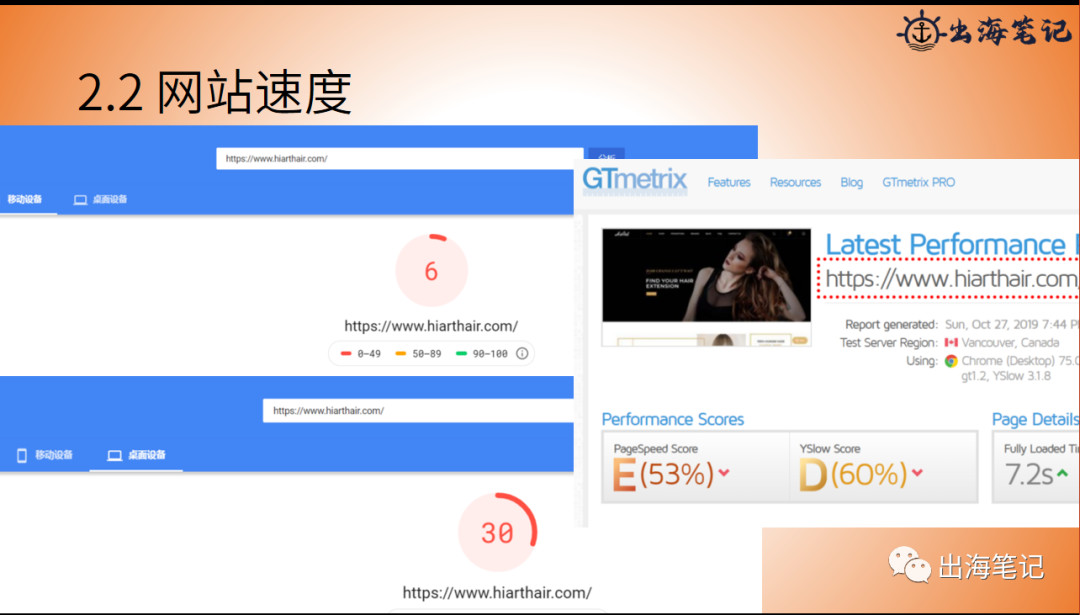
The second is poor performance. The source refers to a Google update expected the following May and shows low mobile and desktop scores in Google and GTmetrix. Treat the interface and timing as historical; current performance should be checked with today's tools.

The third is missing H1 headings. The source argues that an H1, like a title tag, helps communicate the page's subject. Its keyboard-site example showed no homepage H1 and about 20 missing H1s across the site.
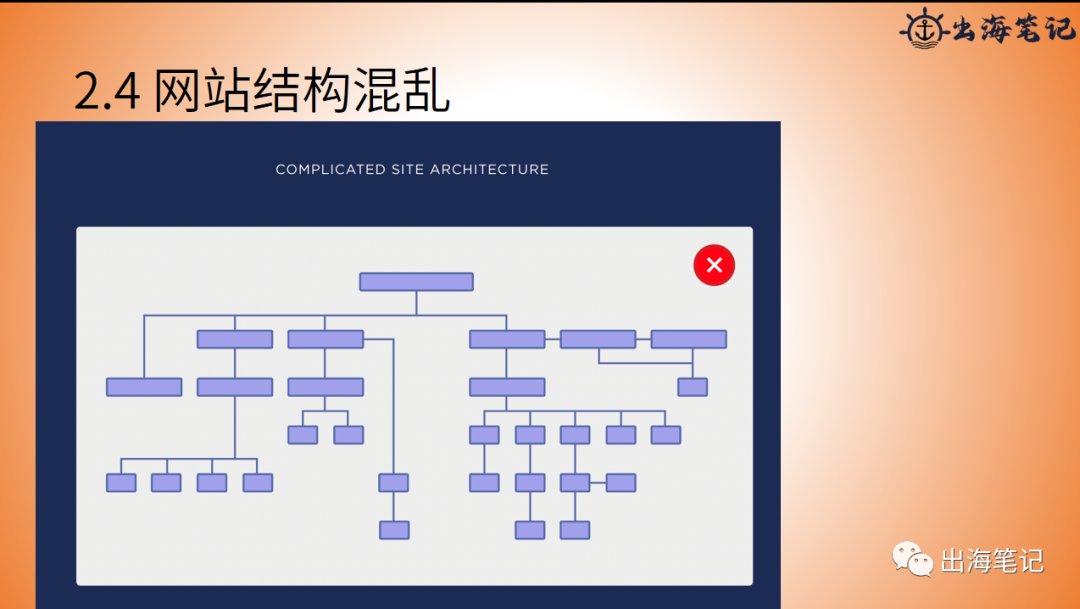
The fourth is an unnecessarily complex site structure. Deep, confusing paths can make crawling, indexing and user navigation harder than a clear, shallow hierarchy.

The fifth is neglecting content marketing. The source uses Ahrefs as an example of a company whose educational content built affinity among SEO practitioners, even where individual topics had modest search volume.
3. Keyword Research
Keyword research is the first step in SEO: a sound target set defines the likely workload and informs the work that follows.
For a vertical ecommerce site, one starting point is to find product language on Amazon, AliExpress or another marketplace, then validate those terms in Ahrefs or a comparable research tool.
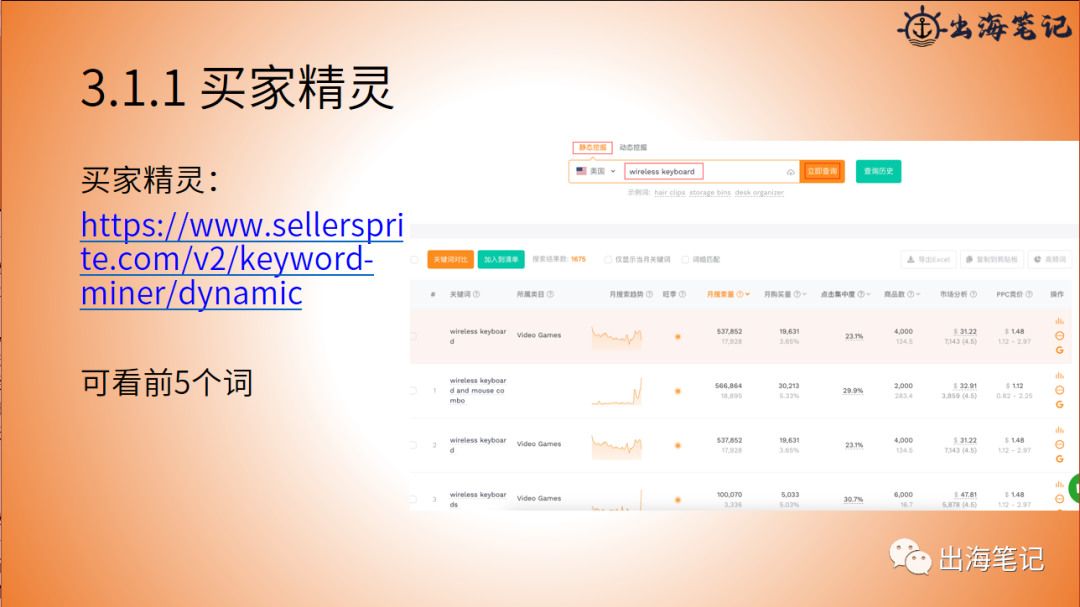
The source cites SellerSprite for mining Amazon terms and notes that its free tier once exposed the first five suggestions; current limits may differ.
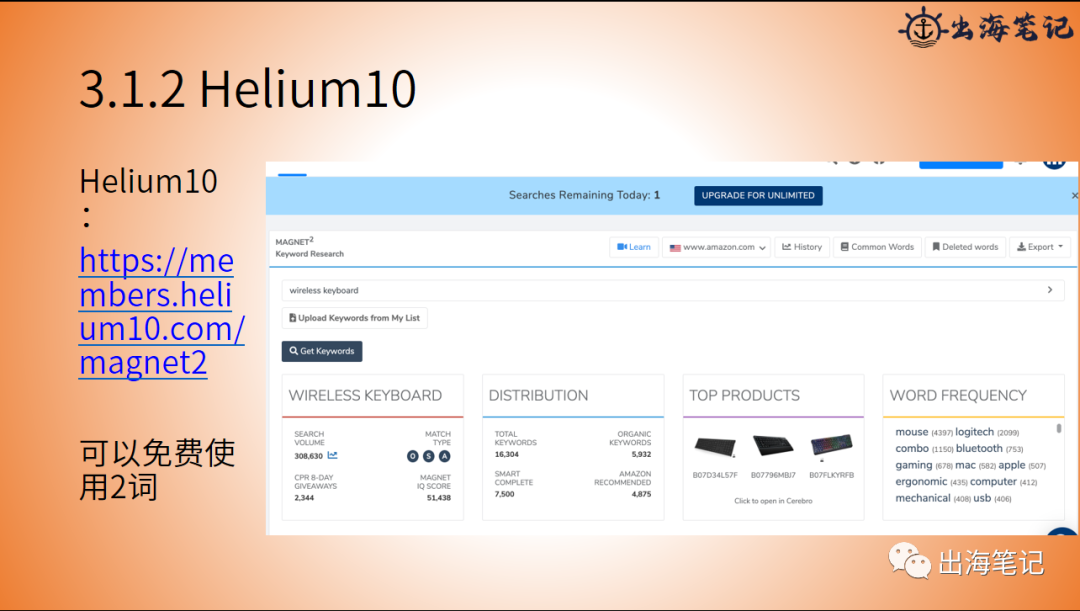
It also cites Helium 10, whose source-era interface allowed two free searches. Enter a seed term and review the resulting suggestions, but verify current access and features.

Another historical option is Keyword Shitter, a basic Google-autocomplete expansion tool: enter a query and start the job.
The source shows inclusion filters, such as retaining suggestions with "for," and says the tool continued collecting recent autocomplete variants. Treat recency and interface claims as historical.
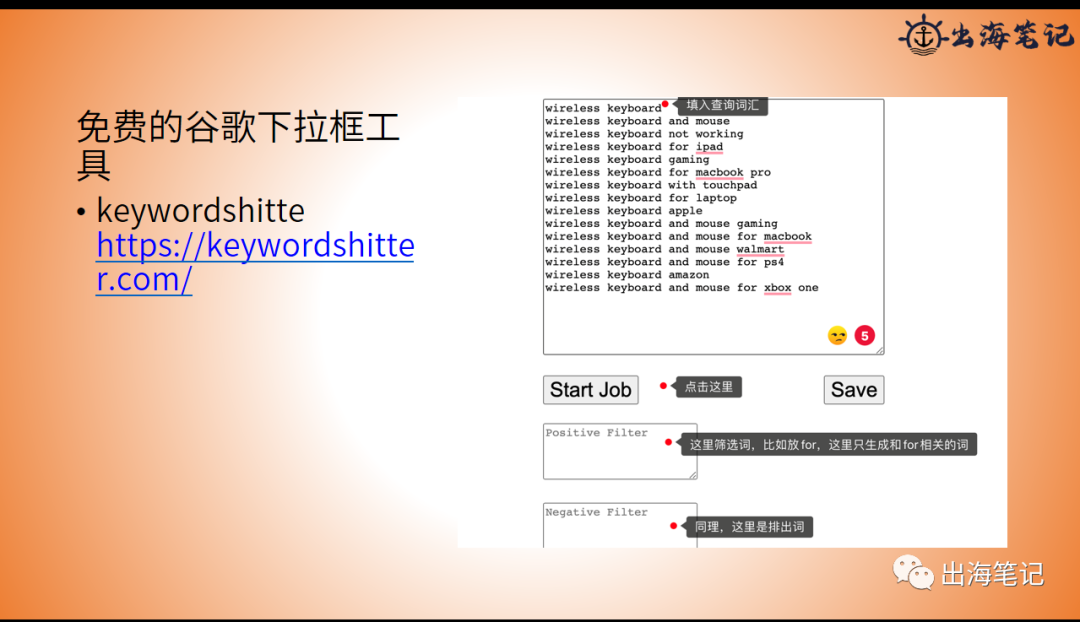
Exclusion terms can remove unwanted modifiers such as "Amazon." Tool availability and behaviour should be verified before use.

A free mind-mapping tool can also provide quick category ideas and help organise a site structure around related concepts.
For example, a seed term such as "keyboard" may reveal clusters such as "keyboard for iPad." If relevant to the business, a cluster can support a product category.
That category can then be extended into subcategories and product pages. The purpose is a clear, demand-led information architecture, not a page for every keyword variation.

The source most strongly recommends Ahrefs. At the time, its free plan exposed up to 100 exact matches. The paid plan offered broader analysis; today's plans may differ.

In the source-era Keyword Explorer, entering a seed term revealed Keyword Difficulty, or KD. A high tool score is not proof that a keyword is impossible to rank for.
The Keyword Difficulty Misconception
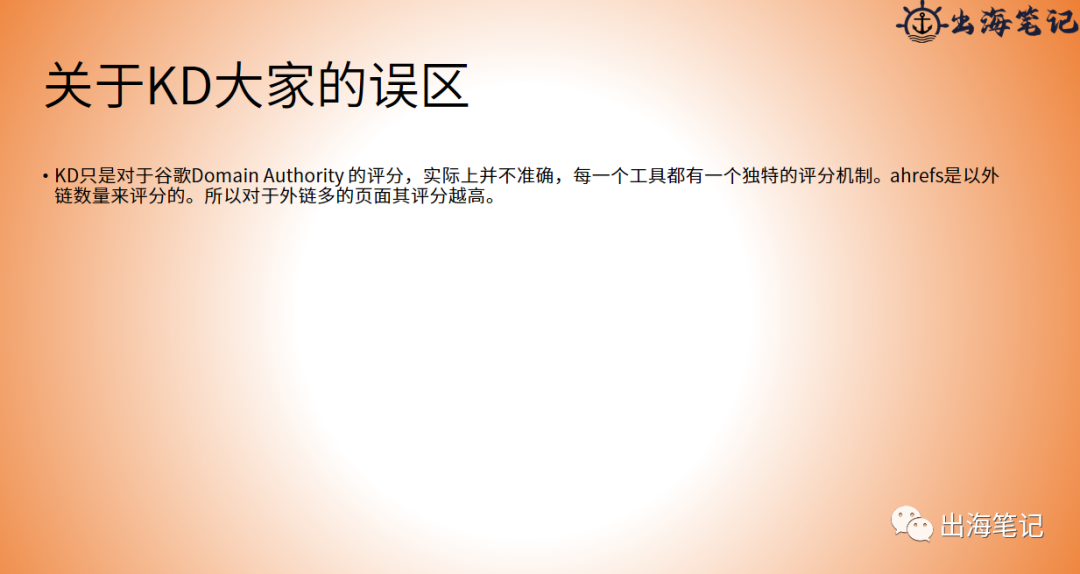
KD is a proprietary estimate, not Google's Domain Authority score. Different tools use different models; Ahrefs' score was described as relying heavily on the number of links to pages ranking in the search results.
The source cites Ahrefs representative Sam Oh explaining that KD counts backlink quantity rather than fully assessing link quality.

For "dog ring," the source recorded scores of 0 in Ahrefs, 33 in KWFinder and 49 in Ubersuggest, illustrating how widely tool estimates can vary.
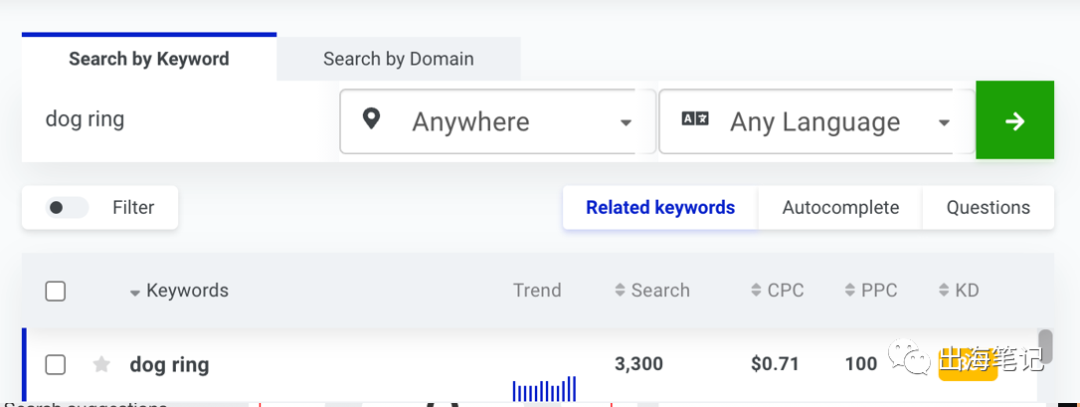
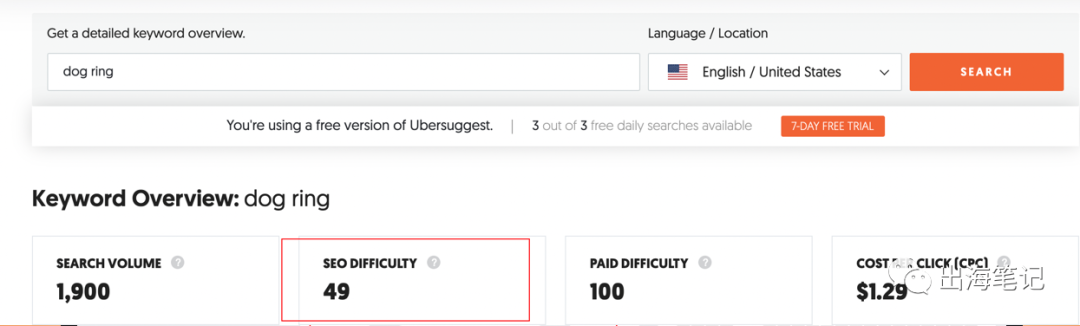
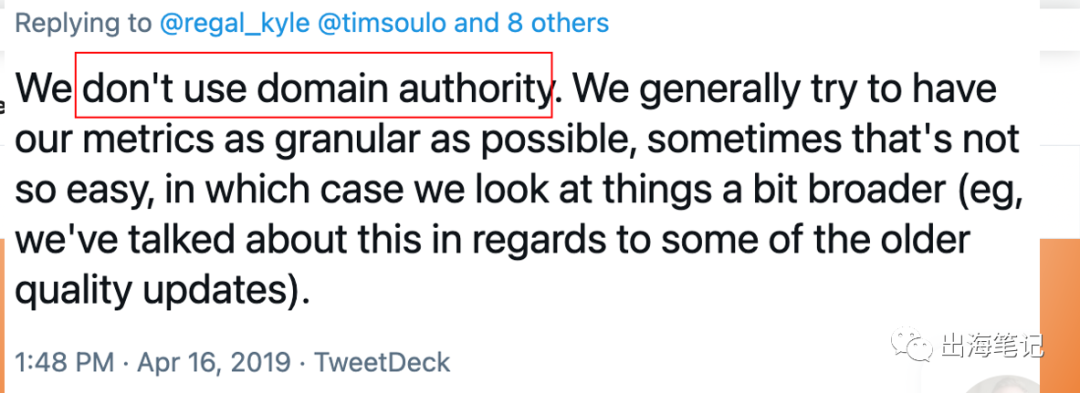
Google does not use third-party Domain Authority scores. Use KD as one input, then inspect the actual result pages, content and link profiles before judging competition.

The historical Keyword Explorer view also showed estimated volume, CPC and trend data. CPC is directional, and seasonality can be more useful than a single headline number.
The source also highlights an estimated click distribution, including an example where organic results received only 25% of clicks.
Reaching page one for a low-click query may deliver little value, so expected click opportunity belongs in keyword selection.
The historical RR metric estimated how often people repeated a query within 30 days. The source interpreted a value above 1.5 as a possible sign that the first result set had not fully satisfied users.
The author also monitored the share of organic-only clicks, again using 25% as an example.
Country-level traffic share can guide international planning, especially for B2B teams deciding which markets and site experiences to prioritise.
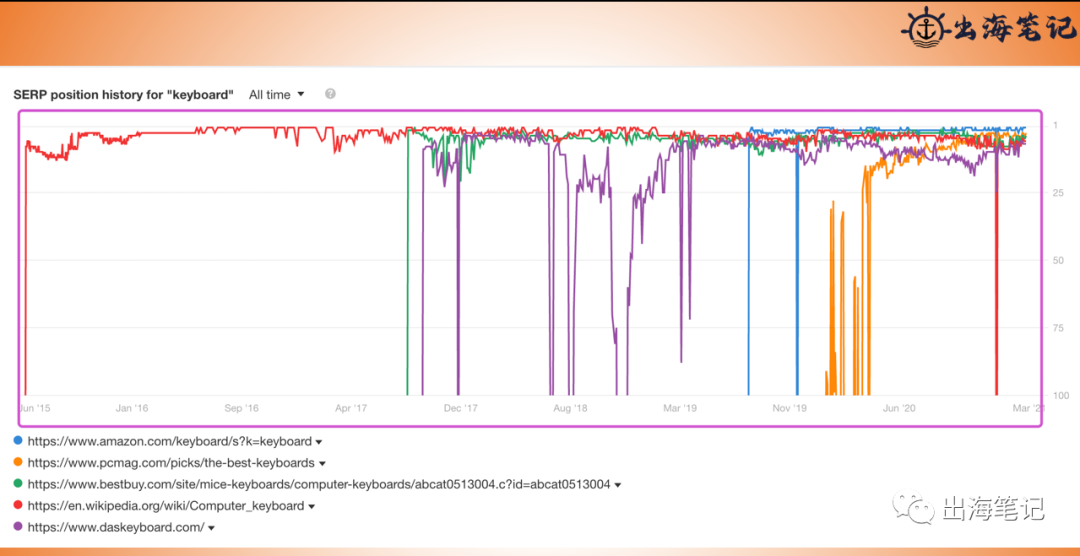
The same interface displayed ranking history for the top five pages.
A stable history from 2015 to 2021 could indicate entrenched competition, although it could also reflect a neglected topic with little active optimisation.
If a comparable competitor rises suddenly, review whether new links, content improvements or another change may explain the movement.
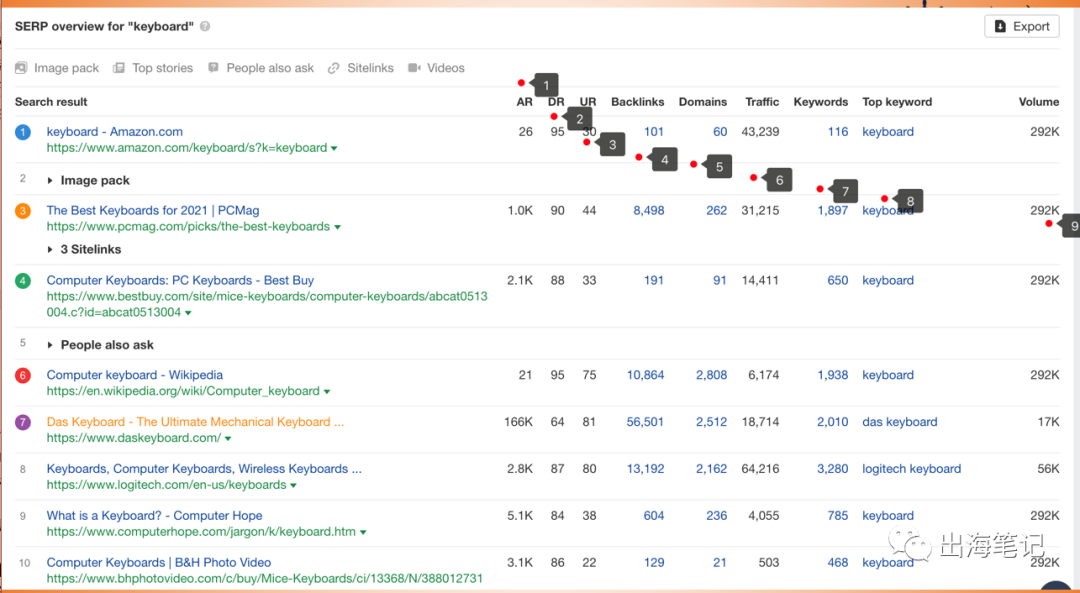
The source then introduces SERP metrics, including Ahrefs Rank, a third-party estimate of a site's relative authority.
Domain Rating is another Ahrefs metric, comparable to a proprietary domain-level link score; the source screenshot showed Amazon at 95.
The SERP view also listed backlink count, referring domains, estimated page traffic, ranking keywords, the top keyword and the traffic attributed to it.

"Having same terms" was the source-era label for suggestions containing the complete seed phrase; the keyboard example returned a very large keyword set and aggregate volume.
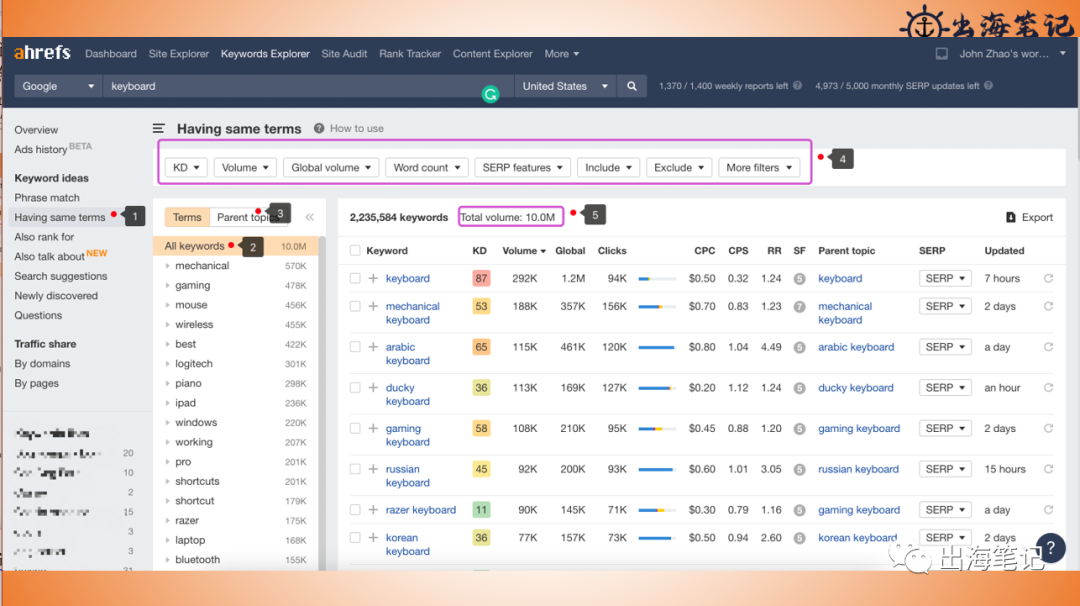
The interface also displayed a Parent Topic field, discussed only briefly in the source.

Filters can narrow a large list by difficulty and volume and exclude a brand such as "Logitech."
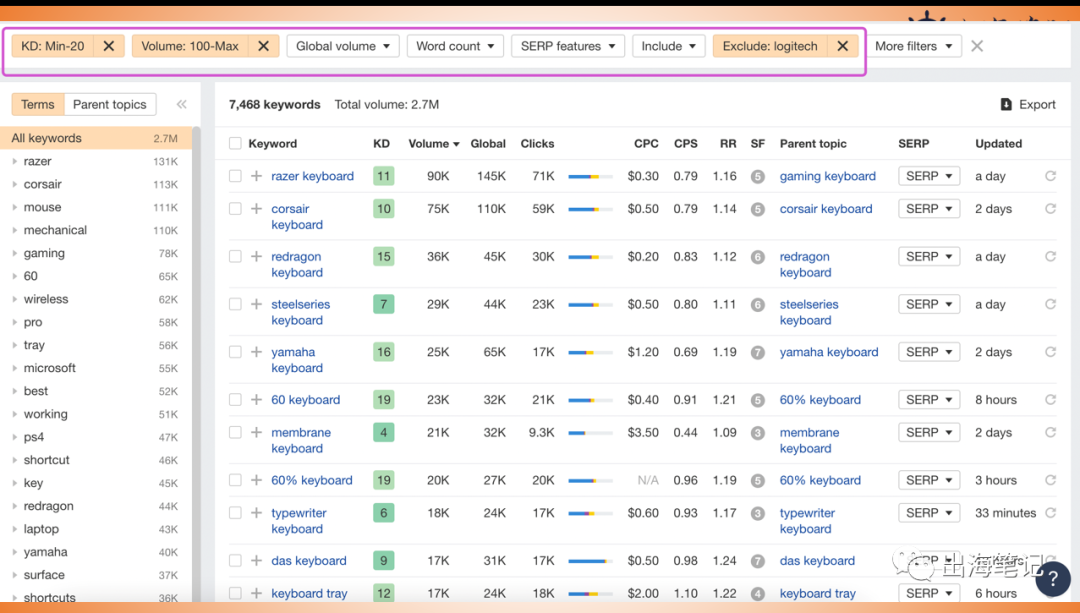
The source example returned 272 terms under one filter and more than 7,000 after excluding "Logitech." These historical counts are illustrative, not current inventory.
An affiliate publisher might focus on lower-competition terms with meaningful demand, adjusting thresholds to the economics and scale of the category.

The Include field can add commercial modifiers.
The source suggests modifiers such as "review" and "best"; applying them with "Logitech" excluded produced 575 affiliate-oriented terms in the historical example.
Each term also included a SERP overview and a history of its rank. Teams could use both to judge how hard the term might be.
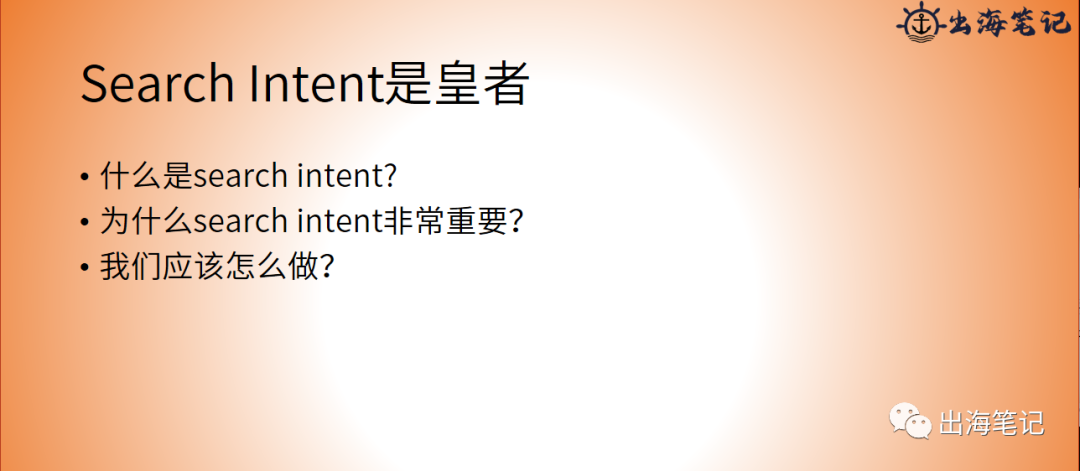
Search intent is the most important part of keyword research. The source updates the old "content and links" maxim by putting intent first.

Search intent is the task Google infers from a query and reflects in the result set. The top results provide evidence of that interpretation, although results vary by market and time.
The source uses the "3Cs" to evaluate intent. First is content type: product, category or article. If results strongly favour product pages, an article may struggle because it does not match the dominant task.
Second is content format: list, how-to, informational guide, tool or review. Match the format to the need rather than copying surface features.
Third is content angle: the audience and promise. The source notes that many "on-page SEO" results target beginners, so an advanced-only page may need a clearer niche rather than assuming the same intent.

Stable results have survived repeated evaluation by search systems and users, so inspect the result-page pattern before choosing a page type.

The source provides several examples for classifying the ranking format and recording the page type associated with each target keyword.

The sample research sheet prioritises business relevance and page type. Build a page only when the query fits the business, then align the page format with the result evidence.
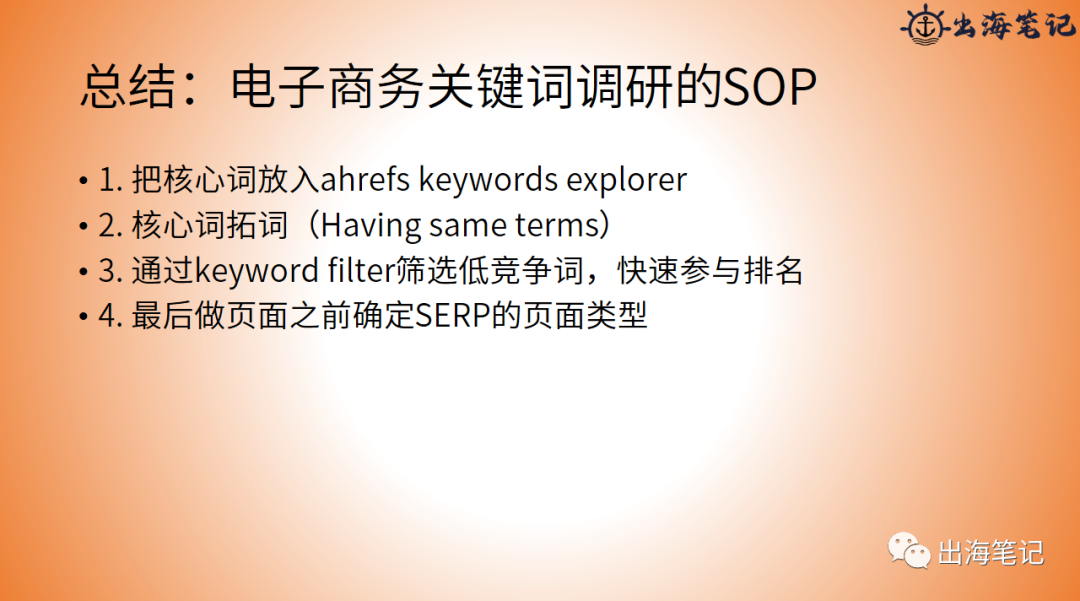
Keyword-Research SOP for Ecommerce
- Enter the core term in Ahrefs Keyword Explorer.
- Expand it through matching-term suggestions.
- Filter the set for feasible, relevant opportunities.
- Before creating a page, inspect the SERP and confirm the content type, format and angle.
4. On-Page SEO
The fourth public section covers foundational ecommerce on-page SEO.
On-page work is the part of SEO a site owner can control most directly. Off-page and technical changes may require other teams, but careful on-page work can still have substantial impact.
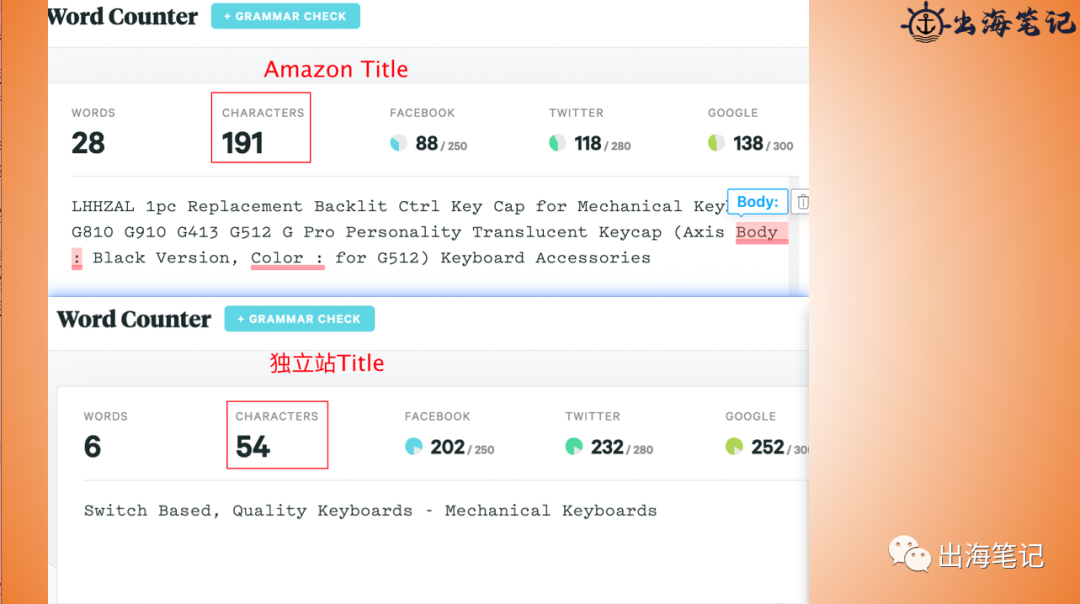
The source recommends a title under 55 characters and contrasts this with Amazon's longer product-title conventions. Modern display widths vary, so prioritise a concise, descriptive title over a rigid count.
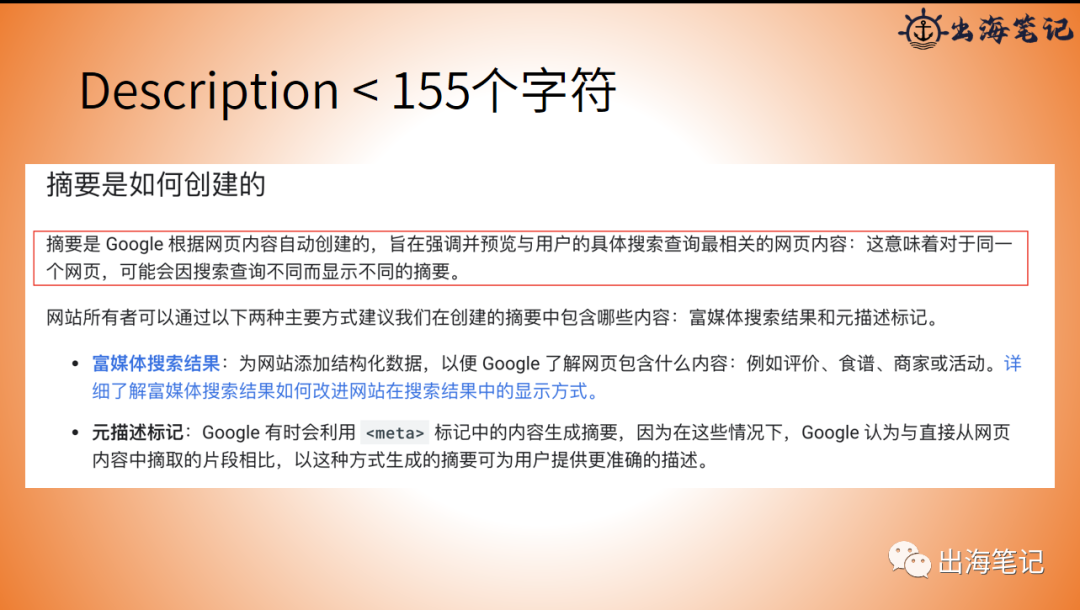
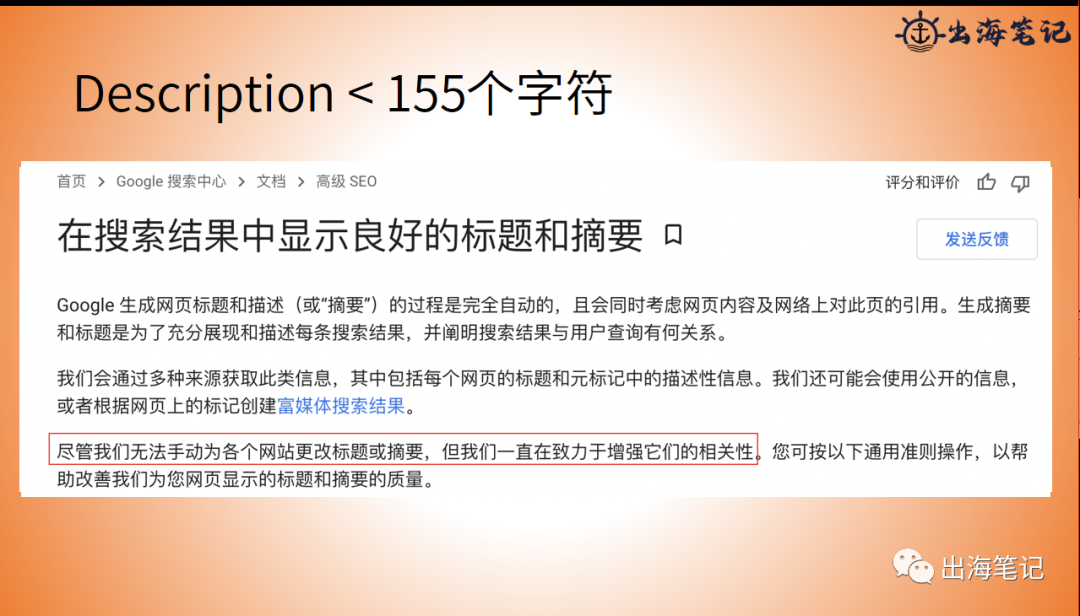
The source-era rule of thumb was roughly 55 characters for desktop titles and 155 for descriptions. Google may rewrite either element for a query, so write them for clarity rather than assuming fixed display limits.
The source cites an Ahrefs estimate that Google rewrote descriptions for nearly two-thirds of pages in its study.
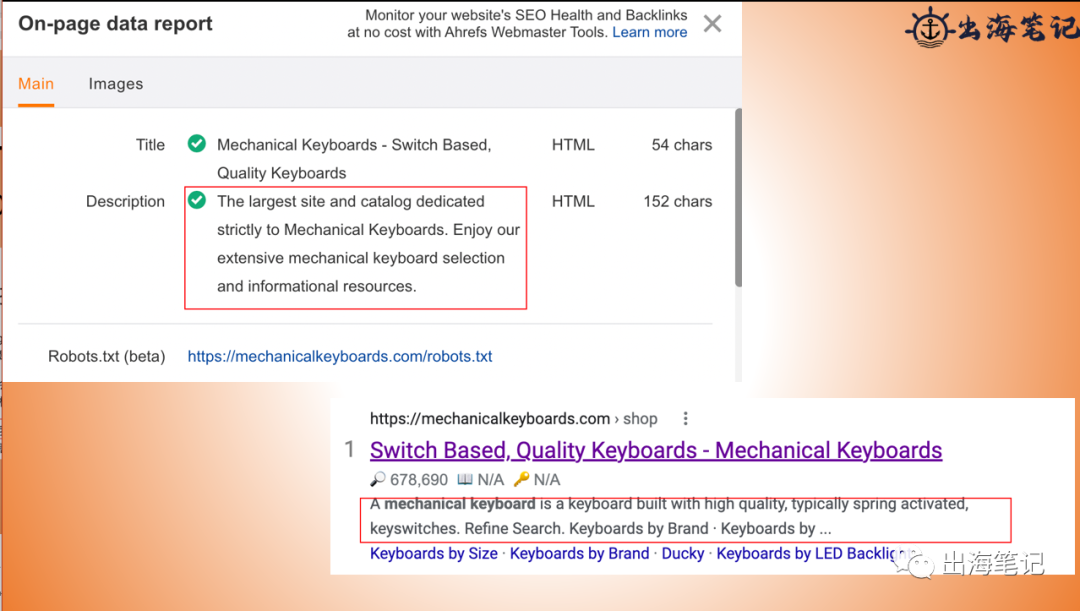
Its example compares the description written on a page with the different snippet Google displayed.
A product-informed, customer-aware description can still improve the message and potential click appeal, even when Google may choose another snippet.
The source also says a clear description may help a page earn richer snippets. No written description can guarantee a search feature.
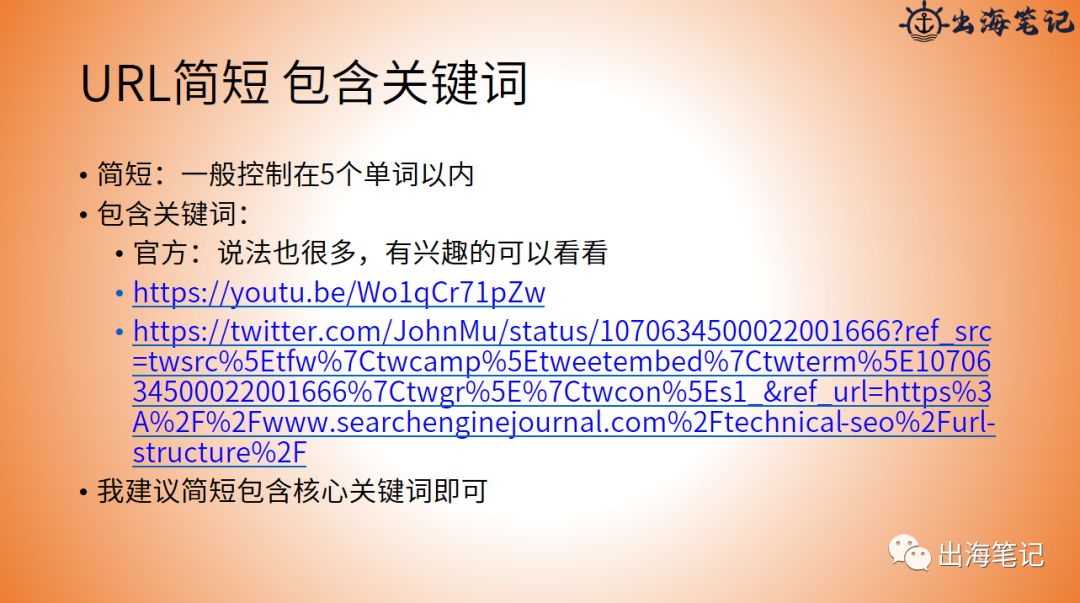
Keep URLs concise and descriptive. The source proposes five words as a practical preference, but readable structure and long-term stability matter more than a universal word limit.
The recommendation is simple: use a short URL that includes the core subject where natural.
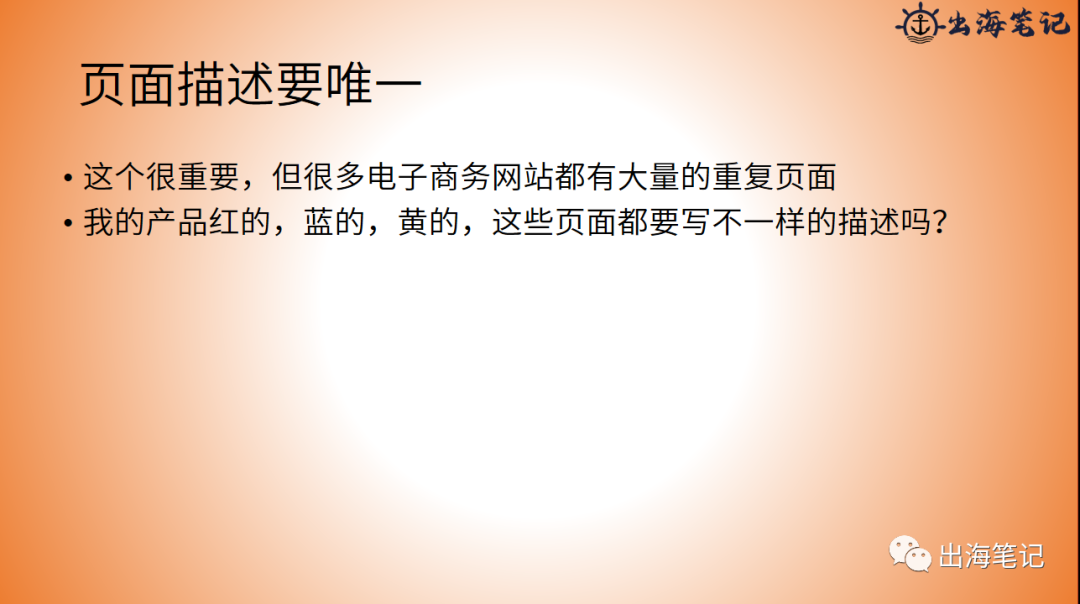
The source then addresses colour variants: writing separate copy and commissioning separate images for every otherwise identical variant can be inefficient.
For a variant intended to rank independently, provide genuinely distinct information. Otherwise, use an appropriate canonical strategy and confirm that it matches the desired indexing behaviour.
Alt text is the textual alternative for an image.
It helps people and user agents understand an image when it cannot be perceived. Modern search systems use multiple signals, so alt text should describe purpose and content rather than act as a keyword field.
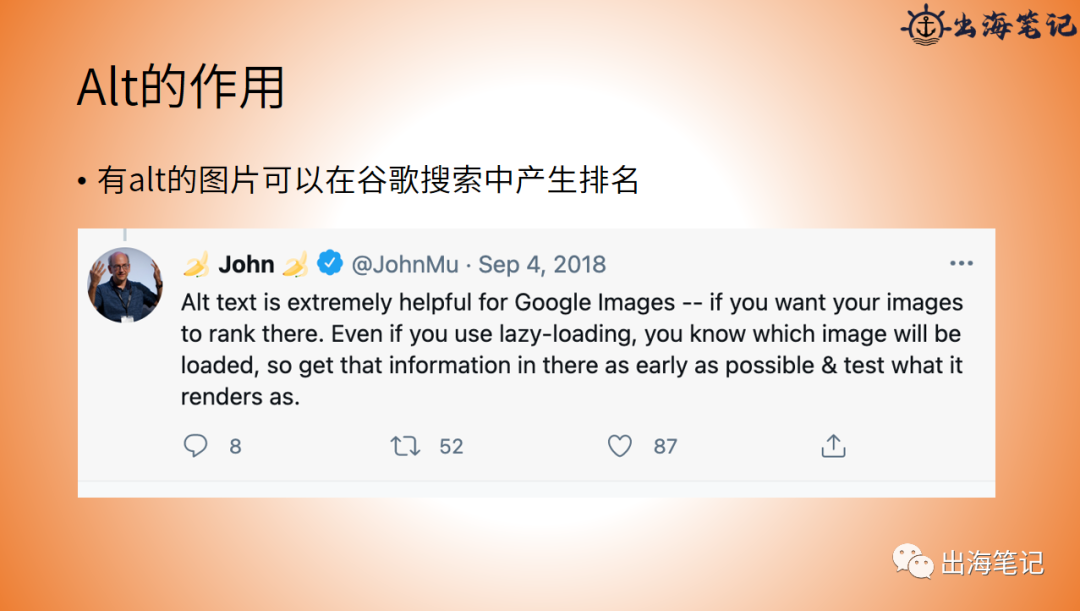
The source attributes to John Mueller the point that alt text can support image search and can provide anchor context when an image is linked.
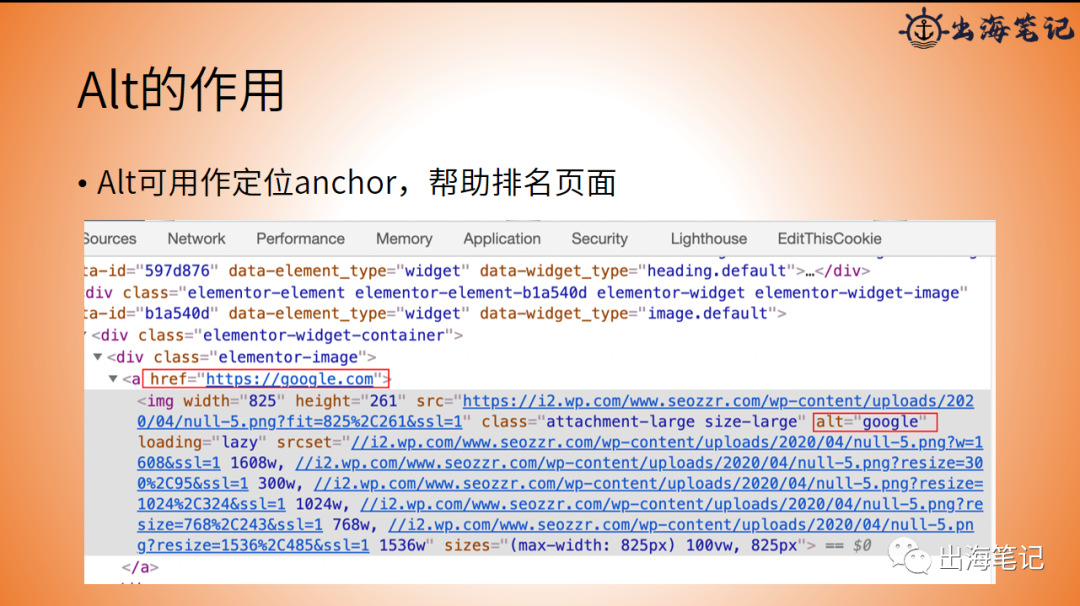
For example, a linked image can use meaningful alt text to communicate the destination; the text should describe the image or link purpose in context.
Keep alt text concise and accurate, avoid keyword stuffing and do not add the words "image of" unless they convey necessary meaning.

For a cheesecake photo, "picture of cheesecake" adds little; "strawberry cheesecake with cream" conveys useful visual detail when accurate.
For important, relevant images, add useful alt text. The source suggests Rank Math for automating attributes on WordPress and WooCommerce, but automation still requires editorial review.
A structured filename can supply a starting value in some tools, yet generated alt text must still be checked against the actual image and context.
Term-Frequency Analysis

Next, the source introduces term-frequency analysis.
TF-IDF is a statistical comparison of how prominent a term is in one document relative to a wider document set. The source contrasts it with the often-misused idea of LSI keywords.

A tool can compare terms used across pages in the current search results for a topic such as on-page SEO.
Do not force an exact frequency because a competitor used a term seven times. Use the comparison to spot material concepts, such as links or marketing, that the draft may have missed.

Image optimisation also includes file size. Multi-megabyte product images can slow ecommerce pages even when high visual fidelity matters.
The source recommends ShortPixel and reports a size reduction of 70% or more in its example. Results vary. Check how the image looks, use suitable dimensions and test modern formats on the live site.
The next topic is internal linking, whose effect can be as important as many external-link tactics.
The source invokes PageRank and a historical statement from Google's Gary Illyes to explain how links distribute signals. Internal links can help important money pages, but third-party audit scores are not Google's PageRank.
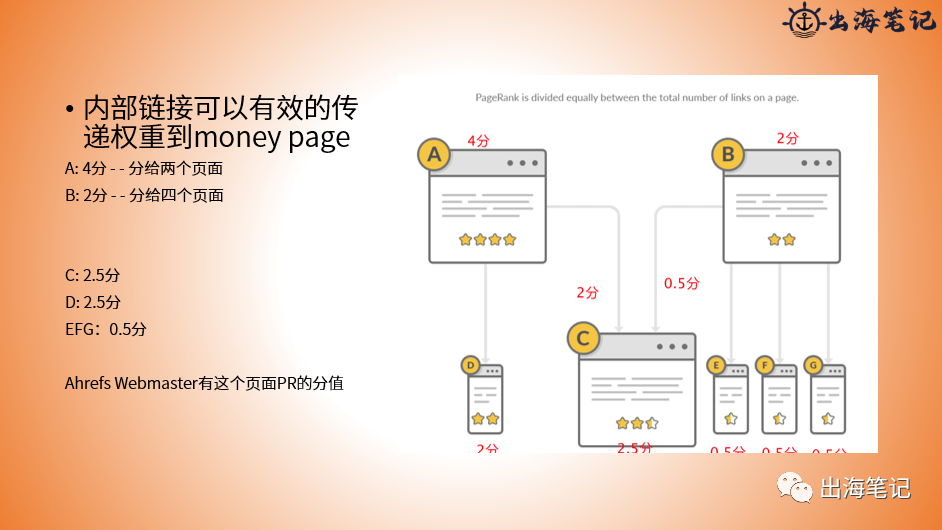
External sites are often more willing to link to informational articles or tools than directly to commercial pages.
In the source diagram, two informational pages receive external links and each passes part of that value to product page C. The arithmetic is illustrative, not a literal Google score.
Internal links can therefore connect authority-bearing resources with a relevant money page and help readers continue exploring.
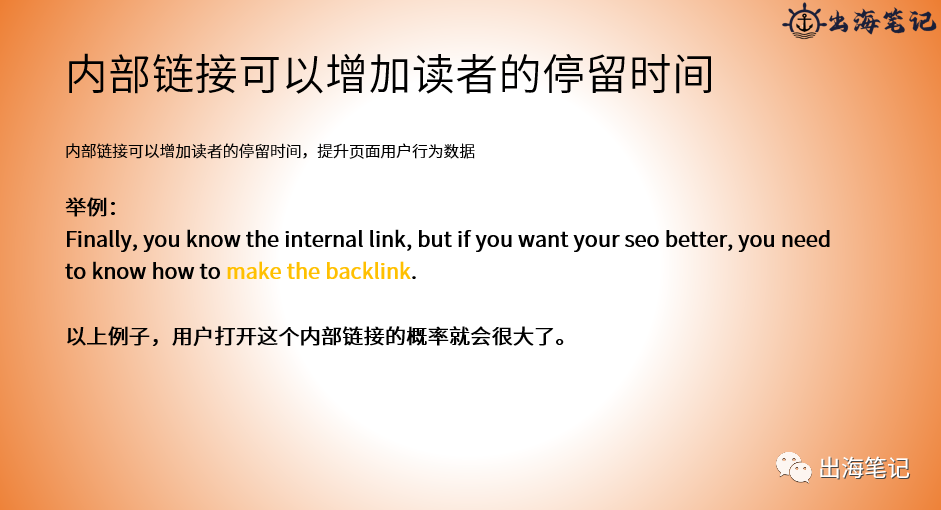
For example, an article about internal linking can point interested readers to a relevant guide on link acquisition. Useful next steps may increase engagement, but dwell time and bounce rate should not be treated as guaranteed ranking levers.
How to Build Internal Links

The source proposes three methods. First, use a Google site search with the domain and target concept to find relevant pages, then review each result before adding a contextual link.
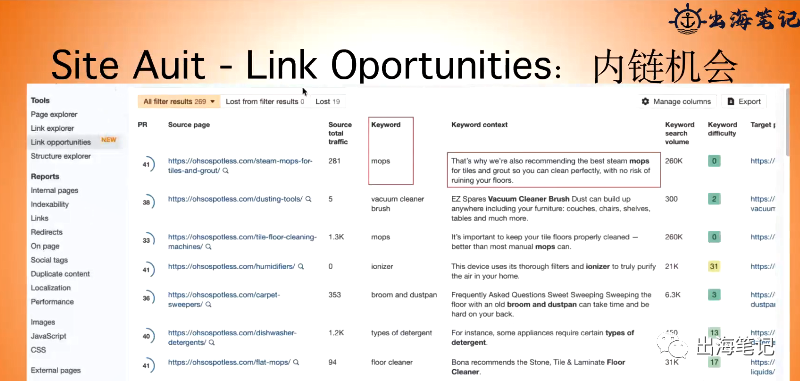
Second, Ahrefs Site Audit historically offered Link Opportunities for sites with enough crawled pages.
Review the suggested source, target and anchor context before applying a recommendation.
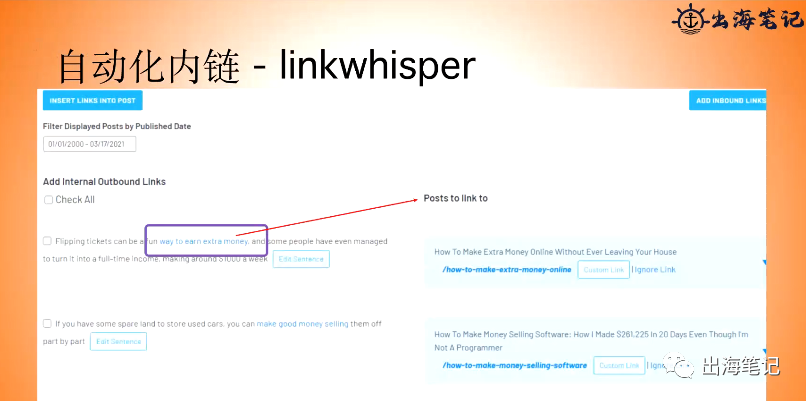
Third, Link Whisper can automate suggestions, although the source considers it most useful for larger sites.
On a large site, it can insert approved links around proposed anchor text, but automation should not replace relevance and editorial QA.
To continue learning, explore our English SEO learning hub.
To improve an existing site, begin with our website diagnostics service or discuss a tailored plan with an SEO consultant. You can also return to the English homepage.
Source-Derived Working Notes
The notes below consolidate the decisions described across the four public sections of the source. They do not reconstruct the unpublished off-page, technical or Ahrefs sections. Their purpose is to make the translated public material easier to apply without turning the source-era screenshots or tool scores into current rules.
Audit the five recurring ecommerce problems as a connected system
Duplicate pages, slow delivery, missing H1 headings, confusing architecture and weak content marketing are presented separately in the source, but they often reinforce one another. A large catalogue can create near-identical variant URLs. Those URLs increase crawl demand and template weight, make the hierarchy harder to understand and leave teams with too many thin pages to maintain. Begin by inventorying the page types rather than treating every URL as equally valuable.
For duplicate URLs, identify which page should own the shared intent. Decide whether each variant needs distinct facts, should point to the main version or should leave indexable paths. Test the homepage, collection, product and article templates instead of relying on one performance score. Check that each indexable page has a clear primary subject. Trace how a person and a crawler reach important categories and products. Connect each proposed article to a real audience question and a useful next page.
The source's screenshots document the tools and conditions that existed when the guide was created. They show how the author diagnosed the site; they are not current benchmarks. A modern audit should ask the same questions. Use a current crawl, current speed tests and the site's own analytics.
Move from marketplace language to an intentional site map
The source starts keyword discovery on marketplaces because product listings often expose the language customers use for features, compatibility and use cases. That is a discovery step, not permission to copy marketplace categories. Collect candidate terms, remove phrases that do not fit the offer, and validate the remaining concepts against search results and business priorities.
The keyboard example illustrates a hierarchy. A broad seed can reveal a use-case cluster such as keyboards for an iPad. If the store genuinely serves that need and the result pages support a category experience, the cluster may justify a collection page. More specific, non-duplicative variants can then inform subcategories, product attributes or supporting copy. The hierarchy should mirror meaningful choices a shopper makes; it should not generate a thin page for every autocomplete variation.
In this workflow, mind maps and expansion tools help organise ideas. They show links that a flat export hides. The final structure still depends on which products the store sells and what its audience needs. Search results must support the choice, and the team must be able to maintain distinct pages.
Treat keyword metrics as estimates, not verdicts
The comparison of three different KD scores for the same phrase is the source's clearest warning about proprietary metrics. A tool converts a limited set of observable signals into its own estimate. Two tools can therefore disagree without either score representing a Google rule. Record the score and the tool, but also review the pages that actually rank.
A manual result review should ask whether the leading pages satisfy the same task, whether the ranking domains are truly comparable with the site, how complete and useful their content is, and whether their links are relevant and editorially credible. Search volume and CPC are also estimates. Use them to compare opportunities within a consistent dataset, then validate direction with first-party search and conversion data when it becomes available.
The source additionally considers click distribution, repeat searches, country share and ranking history. Together, these help distinguish nominal volume from accessible opportunity. A query can have substantial volume but few organic clicks. A stable result set can signal durable competitors. A country distribution can reveal that global volume is concentrated outside the target market. None of these observations removes uncertainty, but each makes the decision more explicit.
Use search intent to choose the page before writing it
The source's content type, format and angle model is a practical way to read a result page. Content type asks whether searchers are being served products, categories, articles, tools or another experience. Format asks whether the dominant solution is a list, tutorial, comparison, review or reference. Angle asks which audience, constraint or benefit the leading pages foreground.
This does not require the team to imitate every leading page. It is a constraint check. If a query consistently returns category pages, a long informational article may address a different task. If every result serves beginners, an advanced guide may need a more specific query or a sharper reason to exist. The team can still stand apart. It might use original evidence, explain more clearly, build a better tool or offer a stronger product. Each approach must serve the underlying task.
Intent can also change by country, device and time. Capture the market and date of the review, save the representative results and reassess important terms before a major build. That keeps a historical screenshot from becoming a permanent assumption.
Turn research into a reviewable production brief
The four-step SOP in the source can be made operational with a short record for each cluster. Start with the core term in a research platform. Expand it into closely related language. Filter out irrelevant brands, meanings and markets. Then inspect the result page before assigning a URL or content format.
For each retained cluster, record how it serves the business and who needs it. Add the dominant intent, recommended page type and questions to answer. Name the existing URL that should own the topic. Note what remains uncertain instead of hiding it behind a difficulty score. This creates a brief that content, merchandising, design and development teams can review together.
The source warns implicitly against doing work before the page role is clear. A cluster that belongs on a collection page should not automatically become a blog post. A product attribute may belong in structured product data and comparison copy rather than a standalone page. Mapping first reduces cannibalisation and avoids producing assets that have no useful place in the customer journey.
Write metadata and URLs for recognition and clarity
The source gives character-count rules for titles and descriptions, but search displays are not fixed-width text boxes and Google may rewrite snippets. The durable principle is concision. Put the page's distinctive subject and value where a person can recognise them quickly, and avoid adding words that do not help the decision.
A useful description summarises the page accurately and gives a relevant reason to click. It should not promise a rich result or a ranking. A useful URL is readable, stable and aligned with the site's hierarchy. Changing an established URL solely to meet a word-count preference can create more risk than benefit. Before moving it, evaluate redirects, internal links, canonicals and links from other sites.
For colour or size variants, the source presents distinct descriptions and canonicalisation as possible choices. The right implementation depends on whether each variant offers unique search value, whether it has its own inventory and content, and which page the business wants indexed. Check that canonicals, navigation, sitemaps and structured data tell the same story.
Make image optimisation serve people first
The public guide connects alt text, filenames and compression. Alt text should communicate the image's useful content or function to someone who cannot perceive it. If an image is decorative, an empty alt attribute may be more appropriate than a forced keyword. If an image is a link, its alternative text should clarify the link's purpose in context.
Automation based on filenames can save time across a large catalogue, but filenames are often incomplete, technical or inaccurate. Review generated text, especially on high-traffic product and category pages. Avoid repeating surrounding copy, listing keywords or beginning every description with "image of." The cheesecake example works because the best version adds observable detail rather than search phrases.
A compressed file should still look good and load fewer bytes. Test common devices and screen densities, choose suitable dimensions and formats, and prevent layout shift where possible. The percentage reported in the source came from one tool and asset; it is not guaranteed for every image.
Use internal links to join information with action
The source's PageRank diagram simplifies a useful idea: informational resources often earn attention and external references more naturally than commercial pages, and contextual internal links can connect those resources with a relevant product or category. The link should help the reader take a logical next step. Passing a score is not a sufficient reason to add it.
A site search can reveal pages that mention a concept; a crawler or link-opportunity report can surface candidates at scale. In both cases, manually confirm that the source page, destination and anchor make sense. Avoid inserting the same commercial anchor across every article, and do not automate links into passages where the destination interrupts the reader's task.
Review the result as a network: important pages should receive relevant links from navigational and editorial contexts, orphan pages should be resolved intentionally, and outdated destinations should be removed or redirected carefully. Measure whether readers can reach the next useful page and whether search systems can discover the intended hierarchy. That is more actionable than treating internal linking as a count.