On this pageTable of contents+
- 1. What SEO Rankings Really Mean and Why Businesses Still Need Them
- 2. Three Realities of SEO in 2025
- 3. The Main Factors Behind Google Keyword Rankings
- 1. Content: Help Google Understand What the Page Covers
- 2. Technical Factors: Make the Page Discoverable
- 3. Authority: Let Independent Sources Show That the Site Is Trustworthy
- 4. User Experience: Make the Site Easy to Use
- 5. Behavior and Result Signals: Observe How Searchers Respond
- 6. Whole-Site Signals: Google Also Evaluates the Wider Website
- 4. How to Improve First-Page Visibility
- Step 1: Choose the Keyword
- Step 2: Analyze Search Intent
- Step 3: Plan the Content Structure
- Step 4: Build High-Quality Backlinks
- Step 5: Optimize Internal Links
- Step 6: Keep Tracking and Adjusting
- 5. What If a Money Page Still Ranks Poorly?
- What Are a Money Page and Whole-Site Content Support?
- How to Improve a Money Page's Google Ranking
- 6. Practical Tips for Reaching Google's First Page
- 1. Tools Used in the Workflow
- 2. Step-by-Step Keyword Ranking Workflow

Over the past year, the rise of AI search and soaring advertising costs have led many companies to ask whether SEO still works and whether a site can still reach Google's first page.
The short answer is that SEO is not dead; the rules have evolved.
If you use sound methods and keep investing over the long term, your site can still earn valuable visibility in Google Search.
This article moves from the fundamentals of SEO rankings to practical steps and a supporting content system. It explains:
- why some websites remain on the first page;
- why some websites never rise above position six; and
- how sound methods can help Google recognize the value of your website.
1. What SEO Rankings Really Mean and Why Businesses Still Need Them
At its core, SEO is about giving Google reasons to trust your website. When Google considers a page useful and trustworthy, it may show that page more prominently and improve its visibility.
SEO remains one of the more cost-effective forms of online marketing in 2025. Unlike advertising, organic traffic does not require payment for every click. Advertising buys visits; SEO can build an asset that continues to attract organic traffic, although research, content, technical work and maintenance still require investment.
The source cites an Ahrefs study to illustrate how click-through rates differ across Google results:
- the first result averaged 31%;
- the third result fell to 10%; and
- the tenth result received only 1%.
These historical figures are not a forecast for every result page, but they illustrate the source's point: positions near the top of Google's first page generally attract much more attention and have a better chance of generating sustained traffic.
2. Three Realities of SEO in 2025
- Google applies stricter quality review: its ranking systems and manual review processes place greater emphasis on quality and professional credibility. A site needs to demonstrate experience, expertise, authoritativeness and trustworthiness where those qualities matter.
- Outdated SEO shortcuts no longer provide a durable strategy: keyword stuffing, low-value directory submissions and doorway pages can create risk rather than improve rankings. Manipulative tactics may also lead to Google action.
- SEO compounds over time: rankings do not usually change dramatically overnight, and no responsible provider can guarantee a first-page result in seven days. The source says sustained work often begins to show more stable growth after roughly six months, but the actual timeline depends on the site, market and competition.
The central principle is to focus on the user's need rather than chase every algorithm change. Google's stated purpose is to help searchers find relevant and useful information.
3. The Main Factors Behind Google Keyword Rankings
To rank prominently in Google Search, first understand that keyword rankings reflect many factors working together.
Google evaluates a page through many signals. For practical planning, the source groups the most important considerations into content, technical access, authority, user experience, behavior and whole-site signals.
1. Content: Help Google Understand What the Page Covers
Content is the foundation of SEO rankings. Google first considers whether a page is relevant and complete enough to answer the searcher's need.
The main considerations include:
- Content quality: Is it original, detailed, accurate and able to answer the user's question?
- Content structure: Are the H1-H3 levels clear, the logic easy to follow and the paragraphs readable?
- Keyword use: Does the main term appear naturally with useful synonyms and variants, without stuffing?
- Content depth: Does the page cover the subject well enough to satisfy the search intent rather than pursue length for its own sake?
- Supporting media: Do images, charts or video improve understanding and readability?
- E-E-A-T: Does the content demonstrate relevant experience, expertise, authoritativeness and trustworthiness?
- Freshness: Are older pages substantively updated when their facts or recommendations become dated?
- Topical relevance: Does the site keep expanding useful coverage around a genuine core subject?
Remember that Google does not assess a URL in complete isolation. It can also consider whether the wider website consistently publishes useful material about the same subject.
2. Technical Factors: Make the Page Discoverable
Even excellent content cannot rank if Google cannot crawl, render, understand or index it. Technical work therefore focuses on whether search engines can process the site correctly.
The main considerations include:
- Crawlability: Are robots.txt rules and noindex directives configured correctly?
- Indexability: Is the page structure clear, with duplicate content handled appropriately?
- Page speed: Does the page load quickly enough to provide a usable experience?
- Mobile friendliness: Does the responsive design work properly across screen sizes?
- Security: Is the page served through HTTPS, a signal Google has publicly acknowledged?
- Structured data: Does valid Schema or JSON-LD help describe the visible page content?
- Site architecture: Is the hierarchy logical, with important pages reachable through internal links?
- XML sitemap: Does the sitemap help Google discover the intended canonical pages?
- URL structure: Are URLs short, clear and descriptive?
- Technical errors: Are 404s, long redirect chains and duplicated titles or descriptions controlled?
Google Search Console and PageSpeed Insights provide useful starting points for finding technical issues.
3. Authority: Let Independent Sources Show That the Site Is Trustworthy
Authority can affect how a site competes with similar pages. Google uses links and brand signals, among many other inputs, to assess whether a source is trusted.
The main considerations include:
- Backlinks: Relevant editorial links can act as independent recommendations.
- Source quality: Links from respected websites in the same field matter more than raw volume.
- Anchor text: Link text should be natural and relevant rather than stuffed with keywords.
- Brand mentions: Legitimate references to a brand can support recognition even without a link.
- Domain authority metrics: Third-party measures such as Domain Authority or DR estimate the strength and quality of a site's link profile but are not Google scores.
- Internal linking: Relevant links can distribute context and connect related topics across the site.
- Social signals: Mentions and sharing can indirectly reflect brand reach and help discovery.
- Media exposure and citations: Relevant news coverage, industry articles and expert references can strengthen credibility.
One relevant, high-quality backlink is generally more useful than a large collection of spam links.
4. User Experience: Make the Site Easy to Use
Google aims to present useful results that also work well for visitors. User experience therefore contributes to overall SEO performance.
The main considerations include:
- Core Web Vitals:
- LCP (Largest Contentful Paint)
- INP (Interaction to Next Paint)
- CLS (Cumulative Layout Shift)
- Design and layout: Clear typography, sensible spacing and no overlays that obstruct the content.
- Navigation: Can visitors find the information they need without confusion?
- Mobile experience: Does the interface adapt to smaller screens with usable controls?
- Page interaction: Do forms, images and video load and respond properly?
- Accessibility: Do alternatives, labels and semantic controls support people with disabilities?
- Engagement diagnostics: Do reading and exit patterns suggest that the page is useful and readable?
A poor experience can constrain a page even when its written content is useful.
5. Behavior and Result Signals: Observe How Searchers Respond
The source discusses user behavior as a way to judge whether a result satisfies search intent. Several of these measures are not public, standalone ranking factors, so they are best treated as diagnostic evidence rather than direct ranking controls.
The main considerations include:
- Click-through rate: Do the title and description earn the right kind of click?
- Reading time: Do visitors actually read or explore the page?
- Bounce patterns: Does an immediate exit suggest that the result failed to meet the expectation?
- Quick returns to the SERP: Does the searcher go back at once and choose another result?
- Sharing and saving: Do people consider the content useful enough to keep or share?
- Comments and interaction: Does genuine user-generated content add useful context or credibility?
- Local behavior: In local search, location, reviews and map interactions can influence what a searcher sees.
The practical lesson is to satisfy real users. Do not try to manufacture behavior signals.
6. Whole-Site Signals: Google Also Evaluates the Wider Website
Even when you optimize one page, Google can use the rest of the website as context.
The main considerations include:
- Topical focus: Does the site keep publishing useful content around a coherent subject?
- Update cadence: Are important pages kept current when the underlying information changes?
- History and reputation: Has the site built a credible record over time?
- Security and compliance: Does it avoid malicious code, privacy failures and misleading content?
- User feedback and brand reputation: Do independent reviews, ratings and references support trust?
SEO is therefore a system rather than a single adjustment. A stable program should:
- improve content, technical quality, backlinks and experience together;
- build a long-term content strategy and legitimate trust signals; and
- regularly review performance in tools such as Search Console, Ahrefs and PageSpeed Insights.
The point of SEO is not to chase an algorithm. It is to keep making the website more useful, trustworthy and usable. Those qualities improve the site's prospects of earning stronger visibility.
4. How to Improve First-Page Visibility
The previous sections covered the principles and ranking considerations. The next section presents a six-step process for improving a page: keyword selection, intent analysis, content planning, backlink work, internal linking, and ongoing measurement and adjustment.
Keyword selection "�� search-intent analysis "�� content planning "�� backlink building "�� internal-link optimization "�� ongoing tracking and adjustment
Step 1: Choose the Keyword
Keywords are the starting point of SEO. Choosing the wrong one can undermine all the work that follows.
1. Assess the keyword's value
A useful keyword should satisfy three conditions:
- Real search demand: people are genuinely looking for it.
- Manageable competition: the first ten results are not all controlled by brands far beyond the site's current reach.
- Business relevance: the query can lead to a meaningful next step or conversion.
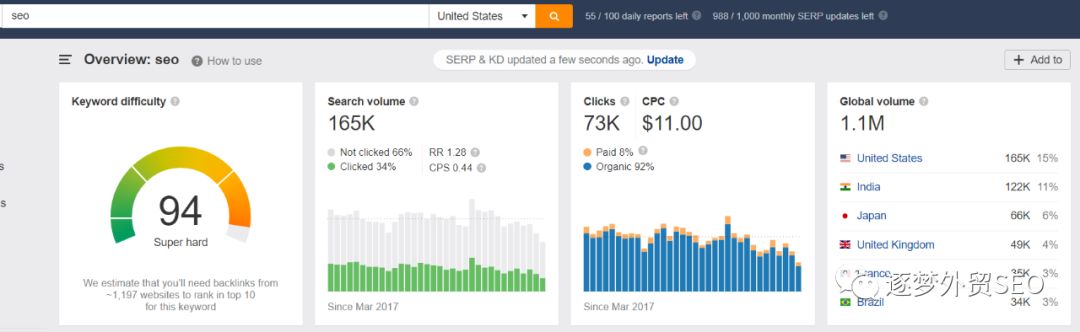
Tools such as Ahrefs, Semrush and Google Keyword Planner can help you review:
- search volume;
- keyword difficulty; and
- click and trend indicators such as CPC and Trends data.
A practical reminder:
- Do not begin with the broadest term in the industry, such as """mobile phone""" or """renovation."""
- Start with a more specific long-tail query, such as """air purifier for a family home."""
2. Compare the authority of competing websites
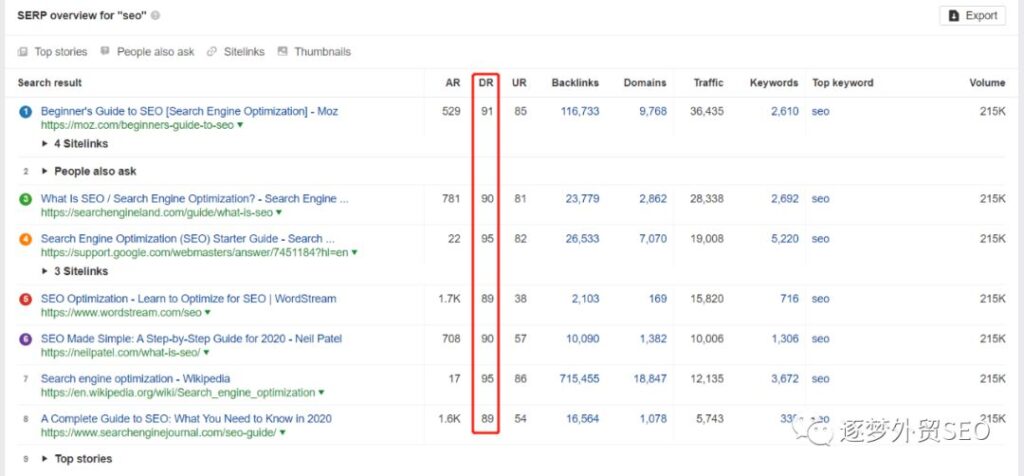
Use a tool such as Ahrefs Site Explorer to compare the DR of the top ten results. If your site's metric and topic relevance are reasonably close to the leading pages, the keyword may be viable. If the gap is very large, a narrower query may be a more realistic starting point. DR is a third-party estimate, not a Google ranking score.
Step 2: Analyze Search Intent
1. Four broad types of search intent
Search intent can be grouped into four broad categories. Each represents a different need and usually calls for a different page format. Understanding the distinction helps a page match what searchers want.
| Type | Description | Suitable content formats |
|---|---|---|
| Informational | The user wants an answer, information or an explanation of a topic. | Blog posts, tutorials, guides and reference content |
| Navigational | The user knows the destination and wants a particular website or page. | Brand homepages, product information and login pages |
| Commercial | The user is comparing products or services before making a decision. | Comparisons, reviews and recommended-option lists |
| Transactional | The user is ready to buy or complete another transaction. | Product, service, checkout and offer pages |
For example, """how to do SEO""" is an informational query that is well suited to a tutorial or guide. """Buy iPhone""" indicates transaction intent and is better served by a product page.
2. Choose the content format
After identifying the intent, determine which content format the searcher expects. Different intents often require different formats.
Common formats include:
Blog posts
- How-to guides: detailed instructions that solve a defined problem.
- Example: "How do I choose a winter coat?"
- Step-by-step tutorials: an ordered process for a more complex task.
- Example: "How to layer winter clothing without unnecessary bulk."
- List posts: a scannable set of options or answers.
- Example: "Five popular winter coats for 2025."
- Opinion pieces: a supportable personal or expert view.
- Example: "Why a down jacket remains a winter staple."
- Reviews: a detailed evaluation that helps a reader decide.
- Example: "2025 down-jacket review: which brands are warmer?"
- Comparisons: side-by-side help choosing between options.
- Example: "Down jacket vs padded coat: which one suits you?"
Landing pages
- Tools: a focused function that solves a practical problem.
- Example: a winter-coat size recommender.
- Calculators: a result based on user inputs.
- Example: an estimated winter-coat budget.
3. Use competitor analysis to identify the format
Another useful way to refine the format is to study the pages that already rank. Use the following steps to see what format dominates the top ten:
- Search Google for the target keyword.
- Review the first ten pages and note whether most are blog posts, product pages or comparisons.
- Record their format and structure, then assess how those choices serve the searcher's need.
4. Analyze the content angle
In addition to choosing the format, review the shared angle among the top-ranking pages. Look at recurring title language, qualifiers and distinctive elements to understand what searchers appear to value.
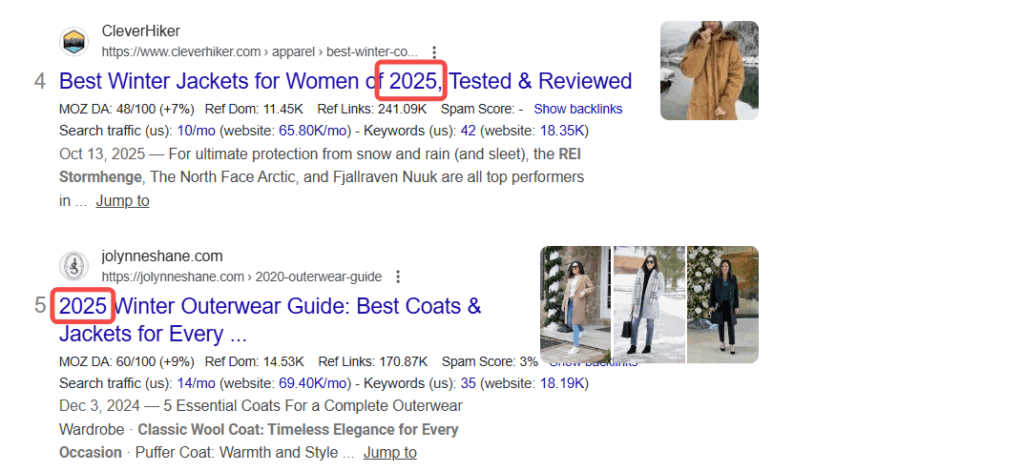
For example, if leading pages for """winter coat recommendations""" include """2025""" in their titles, recency may matter to the query. A genuinely current article can reflect the relevant year when that makes the result more useful.
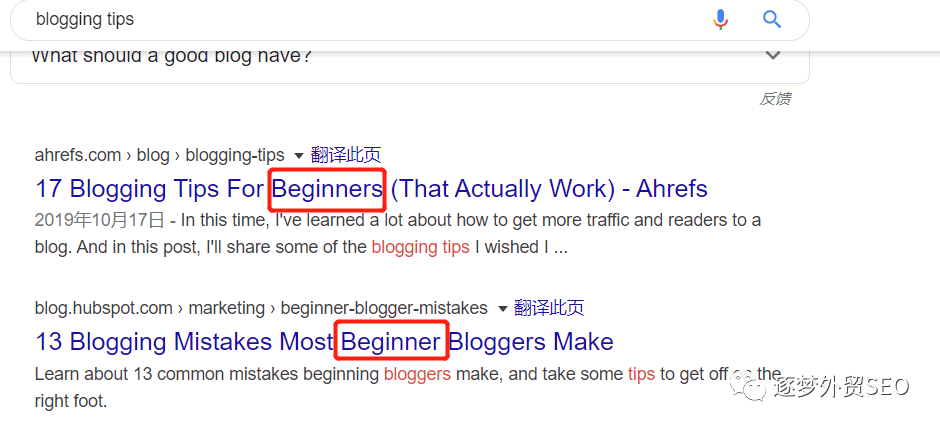
As another example, a search for """blogging tips""" may return mostly beginner guides. If you want to compete for that query, a beginner-focused tutorial may match the observed intent better than an advanced article, provided it offers a genuinely useful answer.
Step 3: Plan the Content Structure
SEO content should be accurate rather than merely long. Its structure should make the topic clear to Google and to readers.
1. Outline the content logically
The content should use three heading levels:
- H1: the page's central topic.
- H2: the main subtopics or questions.
- H3: details, examples or steps within each section.
2. Use a content-gap analysis
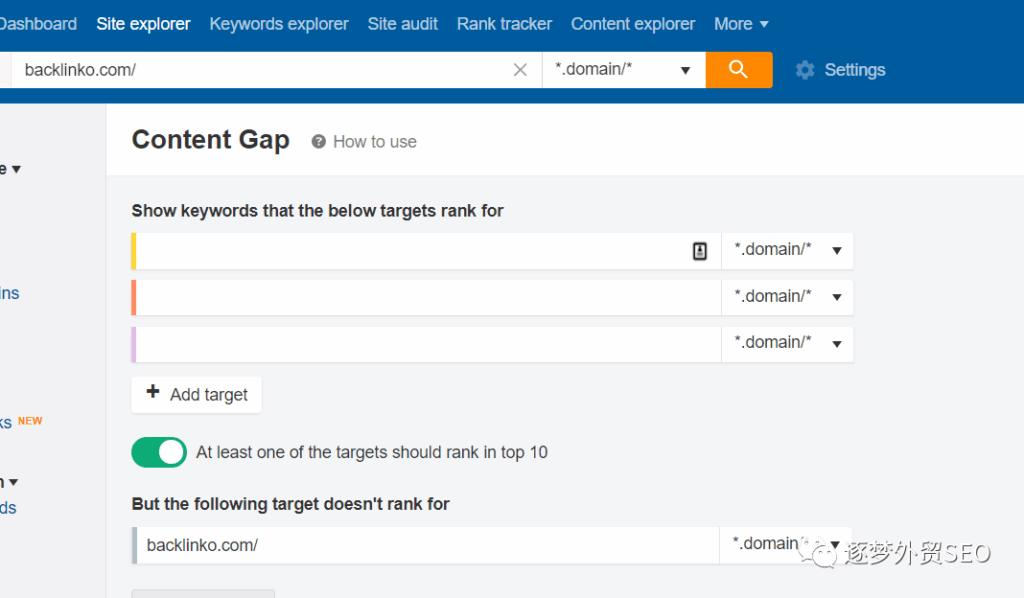
Enter the target keyword in Ahrefs and review the terms commonly covered by the leading pages. Organize those repeated subtopics and make sure your page accounts for the important ones.
For a topic such as """SEO optimization,""" common subtopics might include:
- what SEO is;
- how to choose keywords;
- ways to build backlinks; and
- content optimization techniques.
3. Add supporting modules
Google can understand well-structured content more easily. Useful supporting modules may include:
- FAQ sections: answers to genuine recurring questions;
- data and source links: support for claims that require evidence; and
- charts and images: visual help that makes the subject easier to understand.
Step 4: Build High-Quality Backlinks
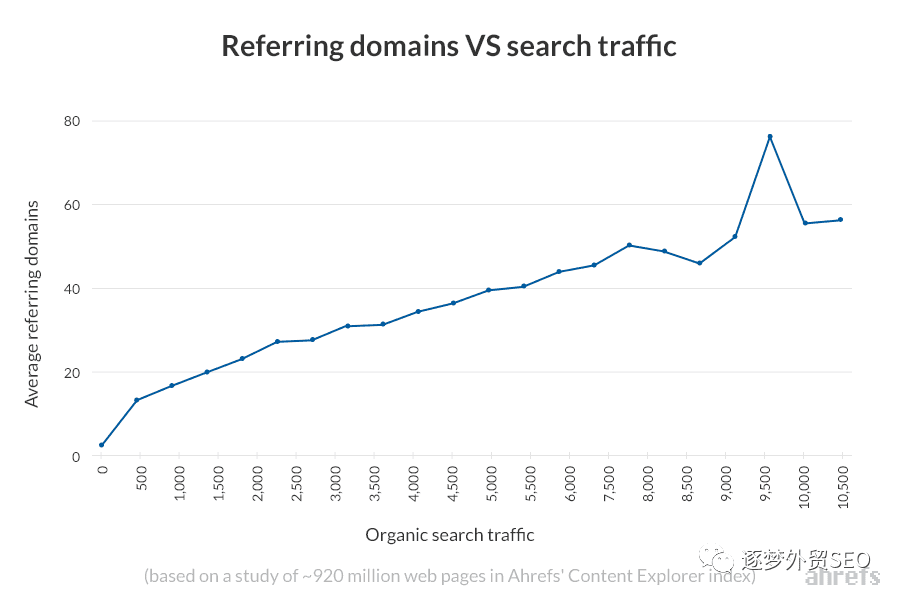
Image source: https://ahrefs.com/blog/find-backlinks/
The source attributes the chart to an Ahrefs analysis of about 100 million pages. Although correlation does not prove that backlinks caused the organic traffic, the chart illustrates the close relationship the study observed. Relevant backlinks therefore remain an important part of competitive SEO.
No tool can tell you the exact number of backlinks that will guarantee a ranking. Ahrefs Keywords Explorer can help estimate the competitive link gap, but the relevance, quality and context of those links still matter.
Step 5: Optimize Internal Links
Internal links help Google understand how pages relate to one another and help distribute discovery paths across the site.
1. Principles for internal links
- Link between genuinely related pages.
- Use natural anchor text, such as """SEO content optimization techniques."""
- Where it helps the reader, connect supporting articles to the main page.
- Keep the hierarchy clear and remove broken links.
2. Find potential internal-link opportunities
Enter the following query in Google:
site:yourdomain.com """keyword"""
This can reveal pages on your site that already mention the term. Review each result and add a link only where it creates a useful route for the reader.
Step 6: Keep Tracking and Adjusting
SEO is an ongoing process, not a one-time task. To maintain search visibility, keep reviewing data and adjust the page when the evidence supports a change.
1. Use tools to track the data
- Google Search Console: review rankings, impressions and clicks to identify strong pages and pages that may need investigation.
- Google Analytics 4: examine traffic sources, engagement and conversions to see which content attracts suitable users and which pages miss their intended outcome.
- Ahrefs or AccuRanker: monitor keyword movement and backlink changes, then review link quality rather than assuming every new link improves authority.
2. Optimize on a regular cadence
- Review declining pages monthly: investigate why rankings fell and update content or structure when user needs or the result set have changed.
- Review pages with weak click-through: improve titles and meta descriptions when they do not accurately or persuasively represent the page.
- Audit external and internal links every six months: check source quality, link destinations and broken paths so that invalid links do not undermine the experience.
The source cites an Ahrefs study saying that only about 5% of pages reached Google's first page in less than a year. The figure is a historical study result, not a timeline guarantee. SEO requires patience and repeated improvement; growth over six to twelve months remains an aspiration that depends on competition, execution and the site's starting point.
5. What If a Money Page Still Ranks Poorly?
A product, service or other conversion page may have keyword placement, optimized titles and descriptions, and internal and external links, yet still fail to reach Google's first page or move in and out of the rankings.
The underlying problem may be insufficient support from the rest of the site. When Google evaluates a page, the quality and relevance of the wider website can provide context alongside the page itself.
What Are a Money Page and Whole-Site Content Support?
A """Money Page""" is a key page designed to produce a direct commercial action, such as a product, service or sales page.
"""Whole-site content support""" means publishing relevant, substantial information around the target keyword or topic so that the commercial page sits within a credible body of content.
For example, a website selling 3D printers cannot demonstrate the full topic with one product page alone. Supporting pages about the broader 3D-printing subject can help establish the site's coverage and connect back to the Money Page.
How to Improve a Money Page's Google Ranking
1. Run a Simple Search Test
Begin by learning how competitors support the topic. A straightforward search test can quickly reveal the current shape of the competition.
Steps:
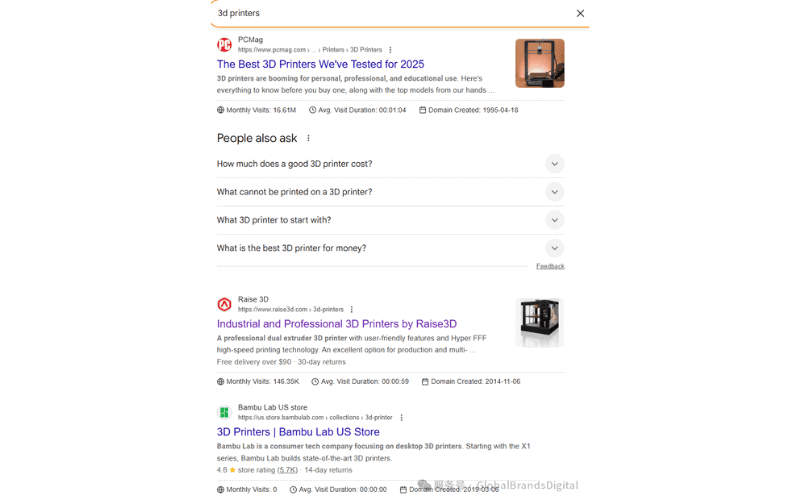
- Choose the core keyword: select the """money keyword""" for the target conversion page, such as """3D printer."""
- Search Google for it: record several leading competitor domains. The source example names PCMag, Raise3D and Bambu Lab.
- Use a site: query: replace the domain in
site:competitor.com keywordwith one of the recorded competitors. The source uses Raise3D and notes that competitors often have many supporting pages in addition to the main conversion page.

Reviewing these pages shows how the competitor structures the topic. The captured source example reported about 2,760 Raise3D pages associated with """3D printer.""" That is a historical search observation, not a current or authoritative index count, but it illustrates the breadth of the supporting content shown at the time.
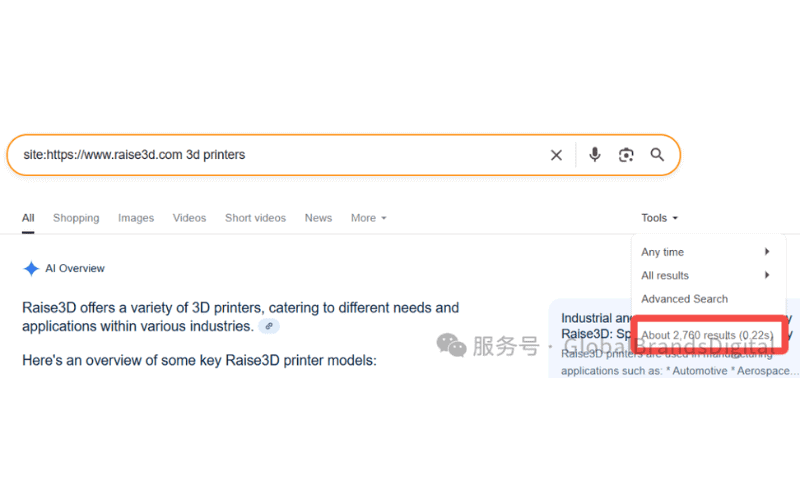
Ask whether your site has a comparable content-support network. If not, strengthening the topic structure and adding genuinely useful supporting pages may help the Money Page.
2. Use Google Trends to Find Content Gaps
In addition to established high-volume keywords, Google Trends can reveal related topics that an initial keyword list missed. Those gaps may provide an entry point in a competitive field.
Steps:
- Open Google Trends and enter a keyword such as """laser cutter."""
- Review the interest trend and related topics, which in the source example include """laser cutting,""" """wood""" and """laser engraving."""
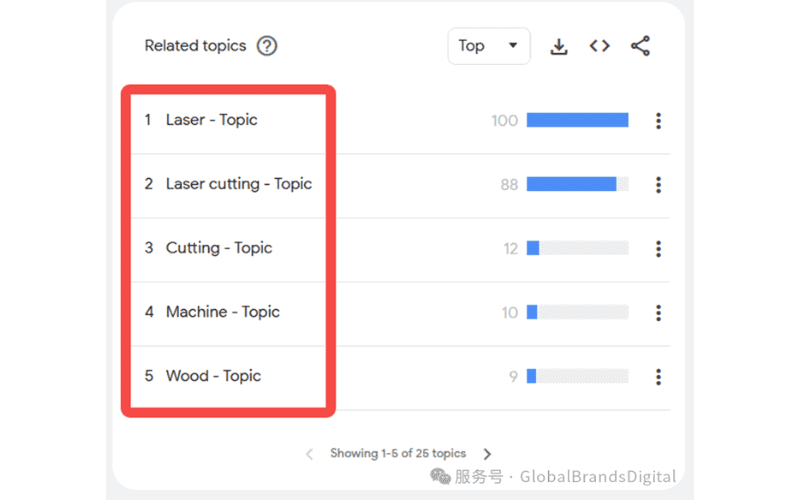
- Explore related subjects: look for useful long-tail angles such as """laser cutting wood.""" These related topics can help a site cover genuine adjacent needs rather than repeat one broad keyword.
Next, use a site-restricted query to examine the competitor's related coverage. For example, site:omtechlaser.com laser cutter wood may reveal pages about cutting wood that an earlier keyword review overlooked but that still support the site's topic coverage.
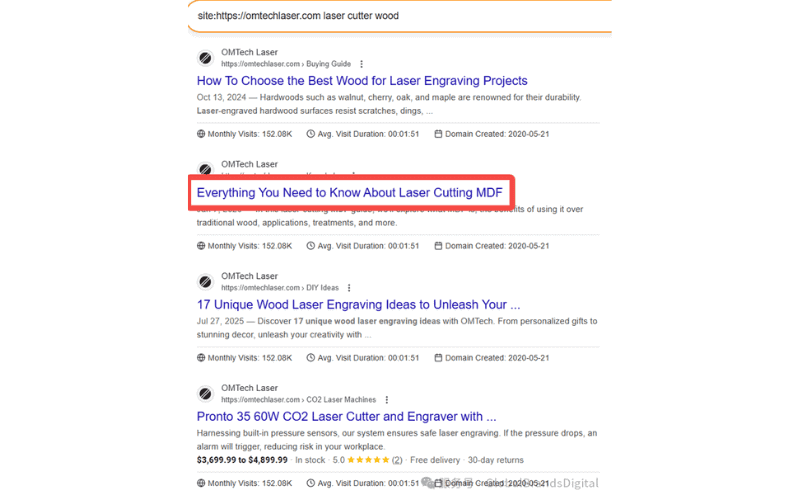
These related subjects may help break a content bottleneck and provide relevant support for the main page, but they need to answer a real user need rather than exist only to influence rankings.
3. Use an -inurl Exclusion to Find Supporting Pages
A site: search often surfaces URLs that contain the target keyword first. Pages without the phrase in their URL may look less obvious even when their content addresses the topic. Those pages can reveal useful internal-link and topic-support opportunities.
Steps:
- Add an -inurl exclusion: a query such as
site:omtechlaser.com laser cutter -inurl:"laser-cutter"removes obvious URL matches and focuses attention on pages whose content is related even though the URL does not contain the phrase.
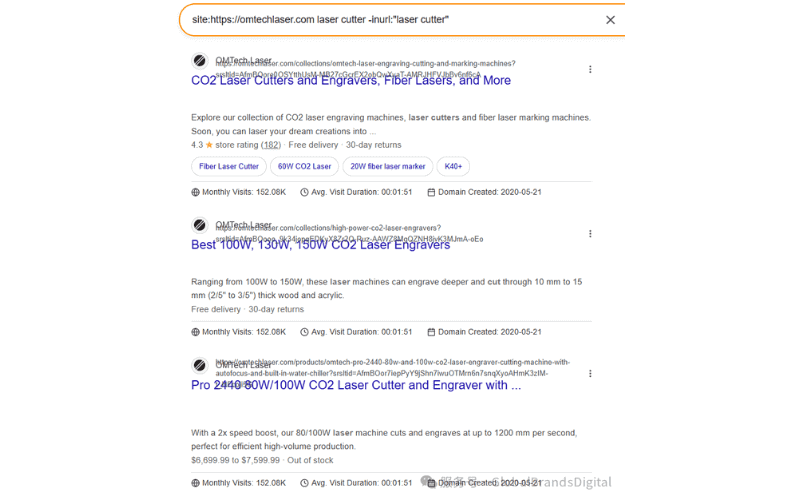
These less obvious pages may support the Money Page through relevant internal links. Finding them can be important when improving the wider topic structure.
4. Extract URLs in Bulk and Organize the Content List
After finding many possible supporting pages, organize them systematically. Bulk extraction and analysis can help identify the pages with greater traffic potential and the most realistic near-term opportunities.
Steps:
- Extract the URLs: use a tool such as the Grabbit browser extension to collect relevant result URLs, or use Ahrefs Batch Analysis for a comparative review.
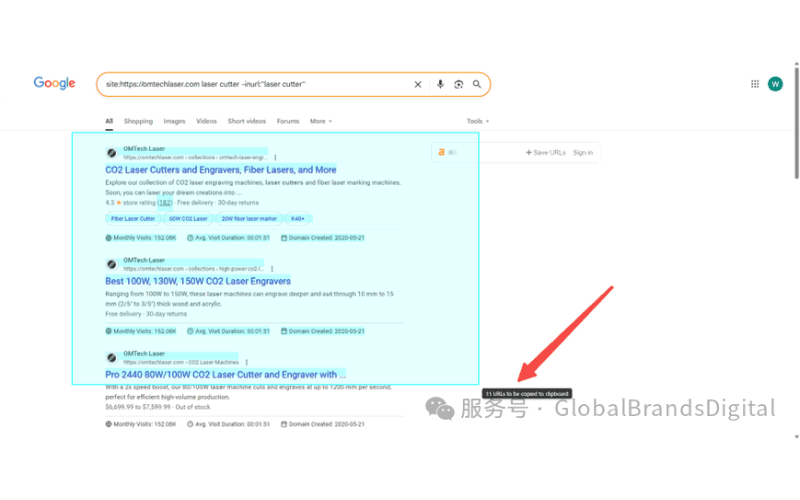
- Filter for traffic potential: use Ahrefs or a comparable tool to identify strong pages and more modest opportunities with a plausible competitive fit. These pages can then inform the content priorities.
Screening and comparing the candidate support pages makes it easier to decide which ones deserve attention and how they might support the Money Page.
These methods can help build a stronger SEO support system, but first answer three questions:
1. Which topics can the site realistically compete for at its current authority level? 2. Which topics can express a genuine product advantage? 3. Which supporting topics should be added first even if their near-term role is mainly internal linking and topic context?
Answering those questions keeps each new page connected to the conversion route instead of turning publishing into a wasteful quota.
6. Practical Tips for Reaching Google's First Page
A methodical workflow can make ranking work more efficient. The following source example uses competitor research to illustrate the process.
1. Tools Used in the Workflow
- Ahrefs: competitor and keyword analysis.
- SEO Minion: export of detailed Google search-result data.
- WPS or Excel: organization and analysis of the downloaded information.
2. Step-by-Step Keyword Ranking Workflow
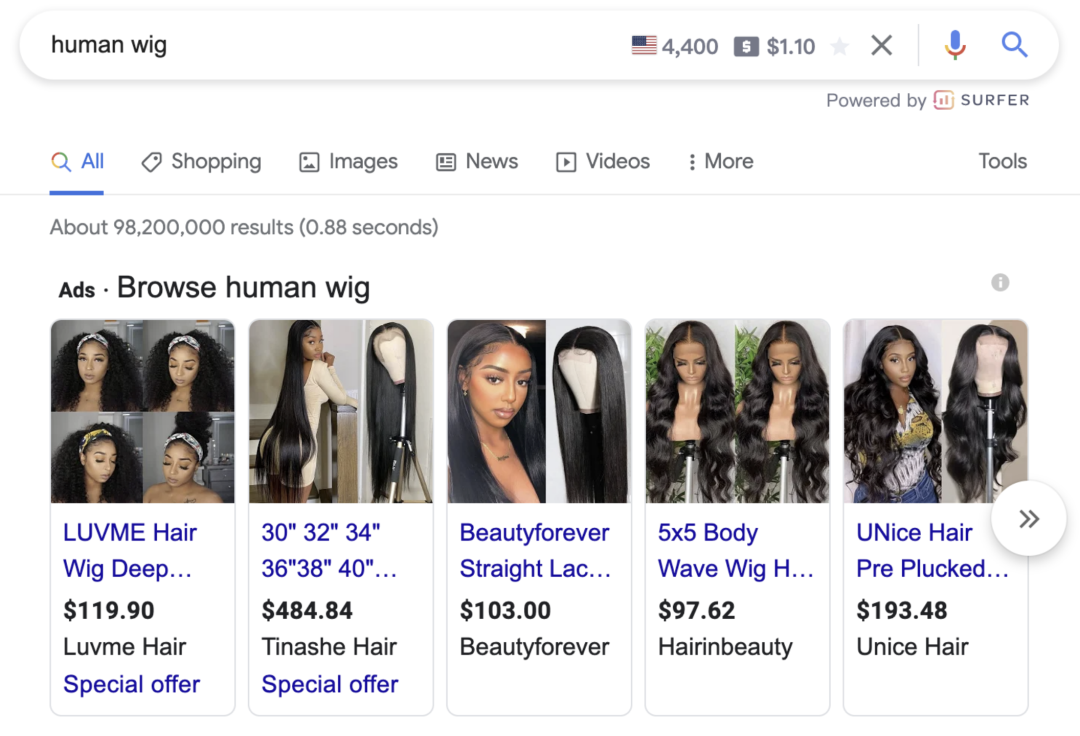
Step 1: Search Google for the core keyword
The source uses """human wig""" as the example. Enter the term directly in Google and review the result page.
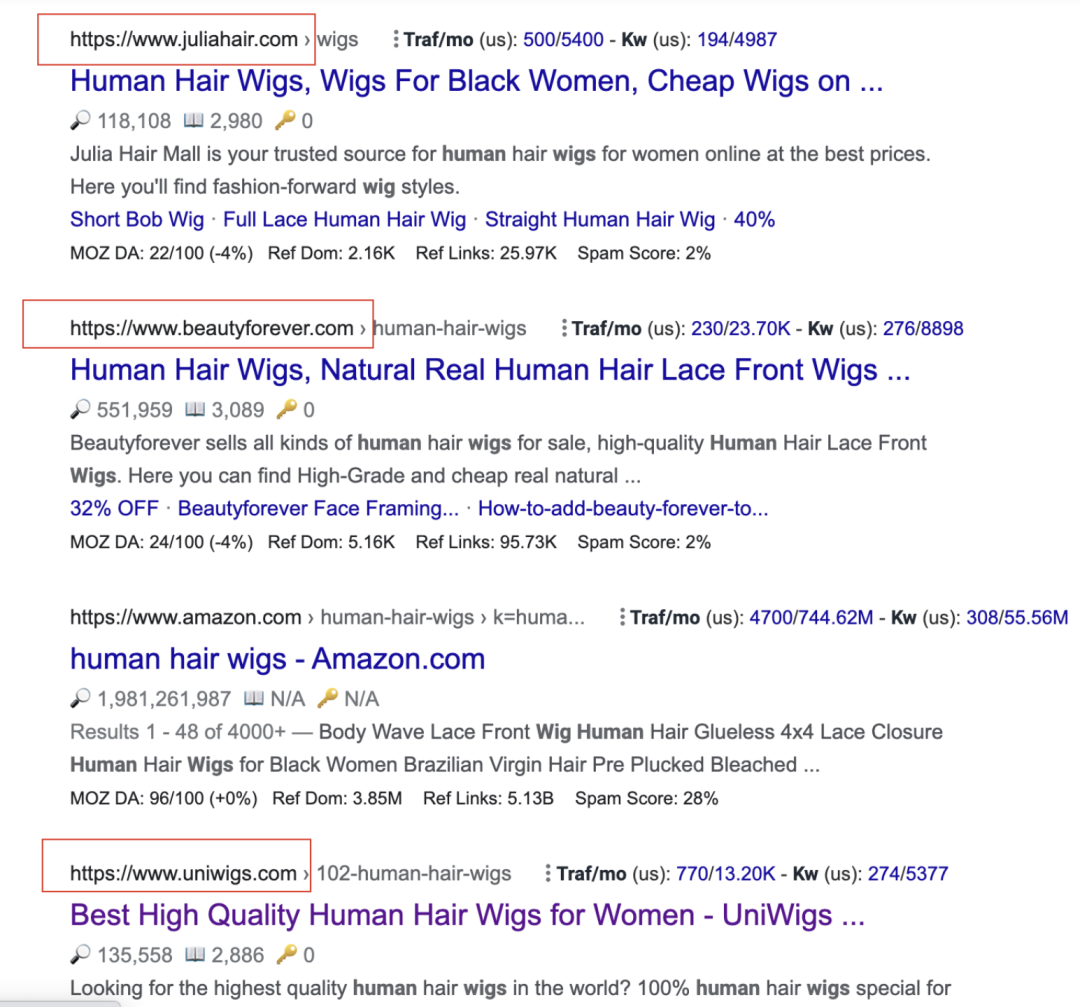
Step 2: Select the search results
Choose several leading specialist websites and exclude large marketplaces such as Amazon when their scale makes the comparison unhelpful.
Step 3: Find URLs related to the keyword
Use an advanced Google query such as site:domain keyword to find relevant pages on each competitor's website.
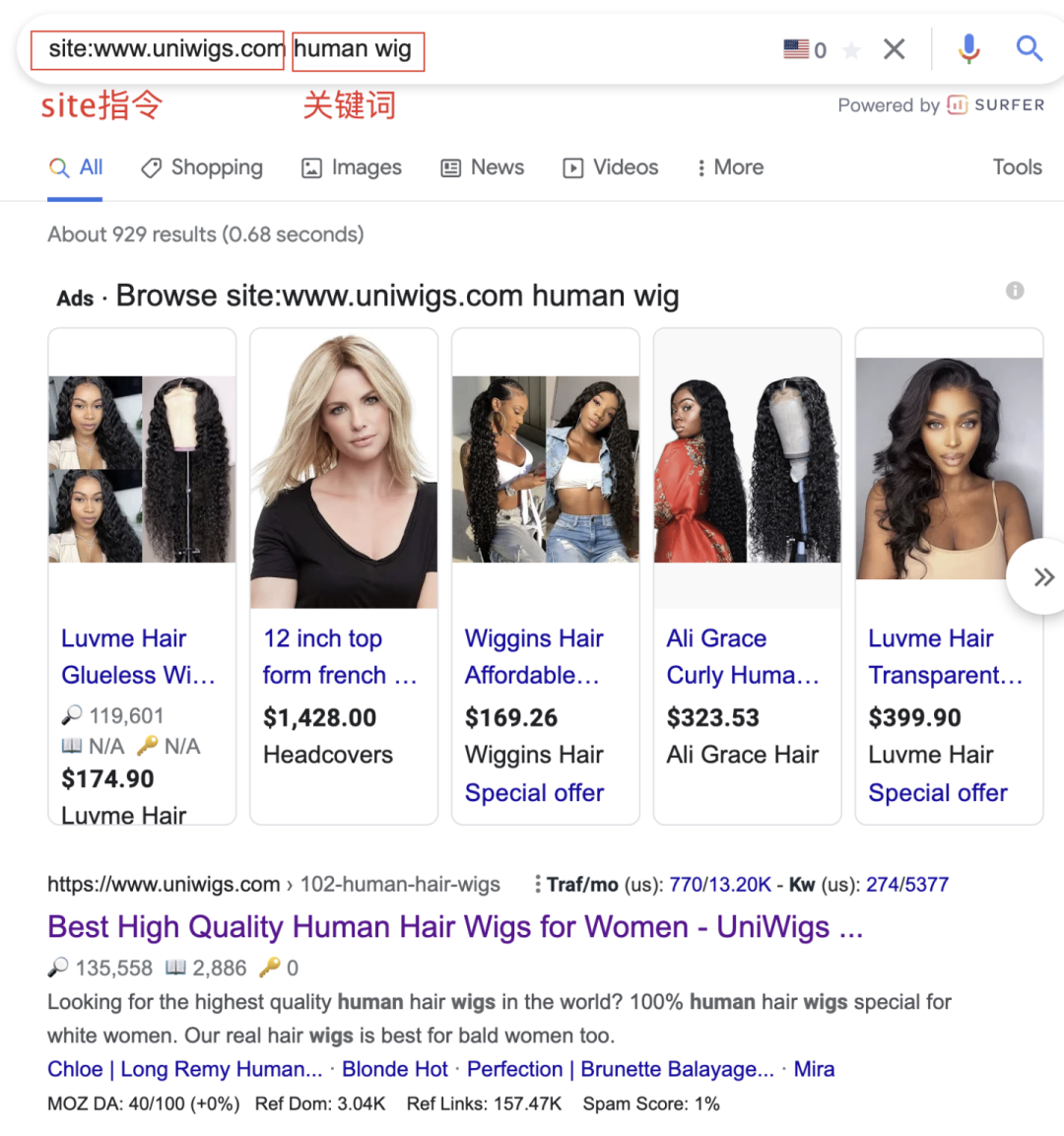
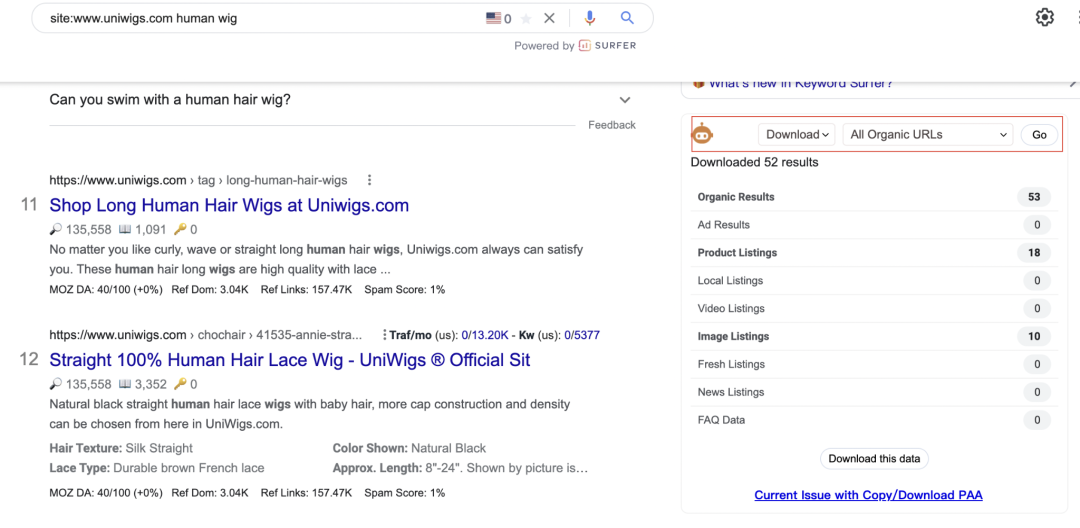
Human wig pages under Uniwigs
Step 4: Download the results with SEO Minion
Use the SEO Minion browser extension to export the organic pages related to the core keyword.
Step 5: Repeat steps 3 and 4, then consolidate the downloads
Collect more competitor data, combine the exports into an actionable working document and compare how each competitor covers the target keyword.
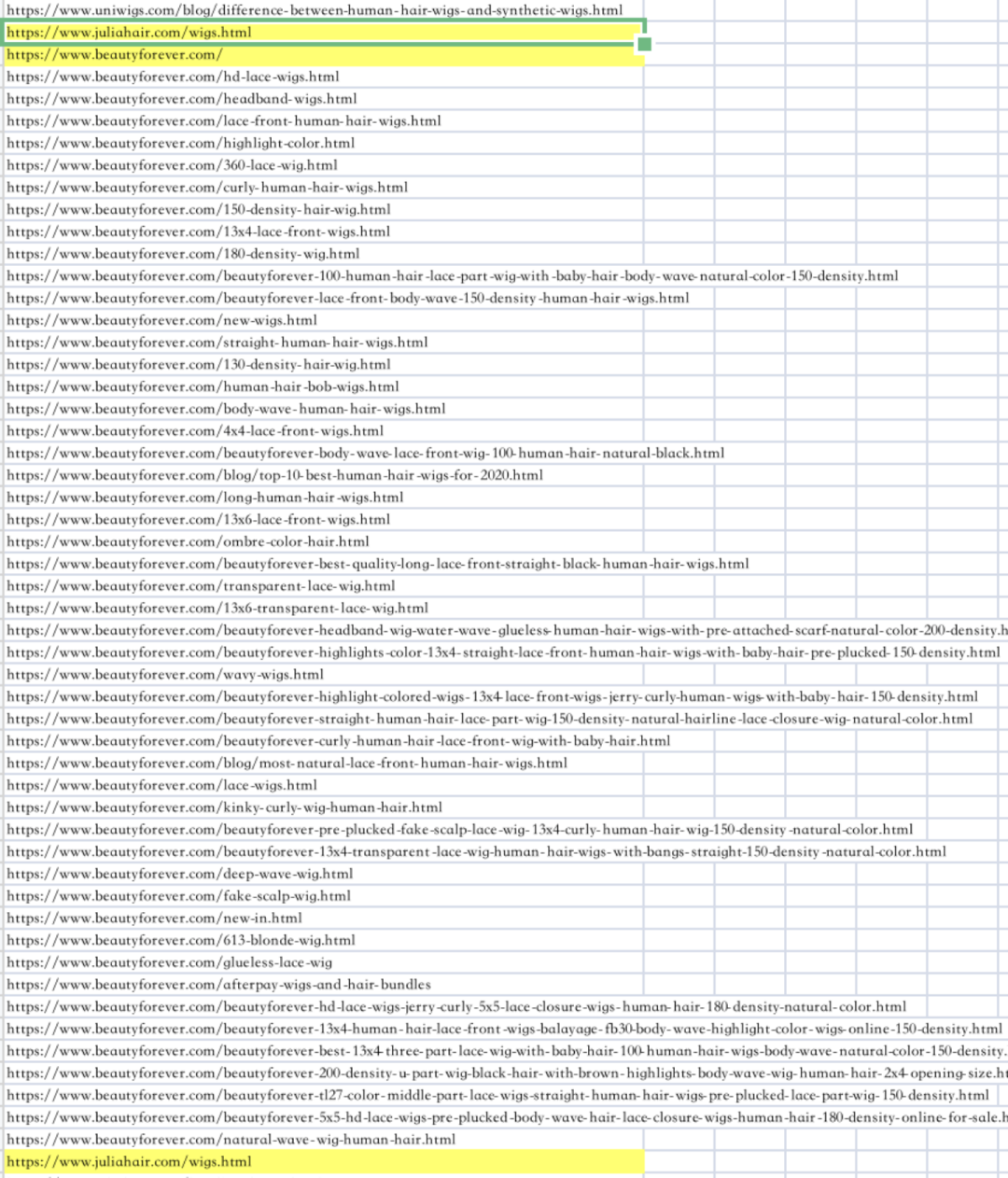
The consolidated document
Step 6: Filter for the most valuable pages
Use Ahrefs Batch Analysis to identify pages with meaningful traffic and a close relationship to the target keyword.
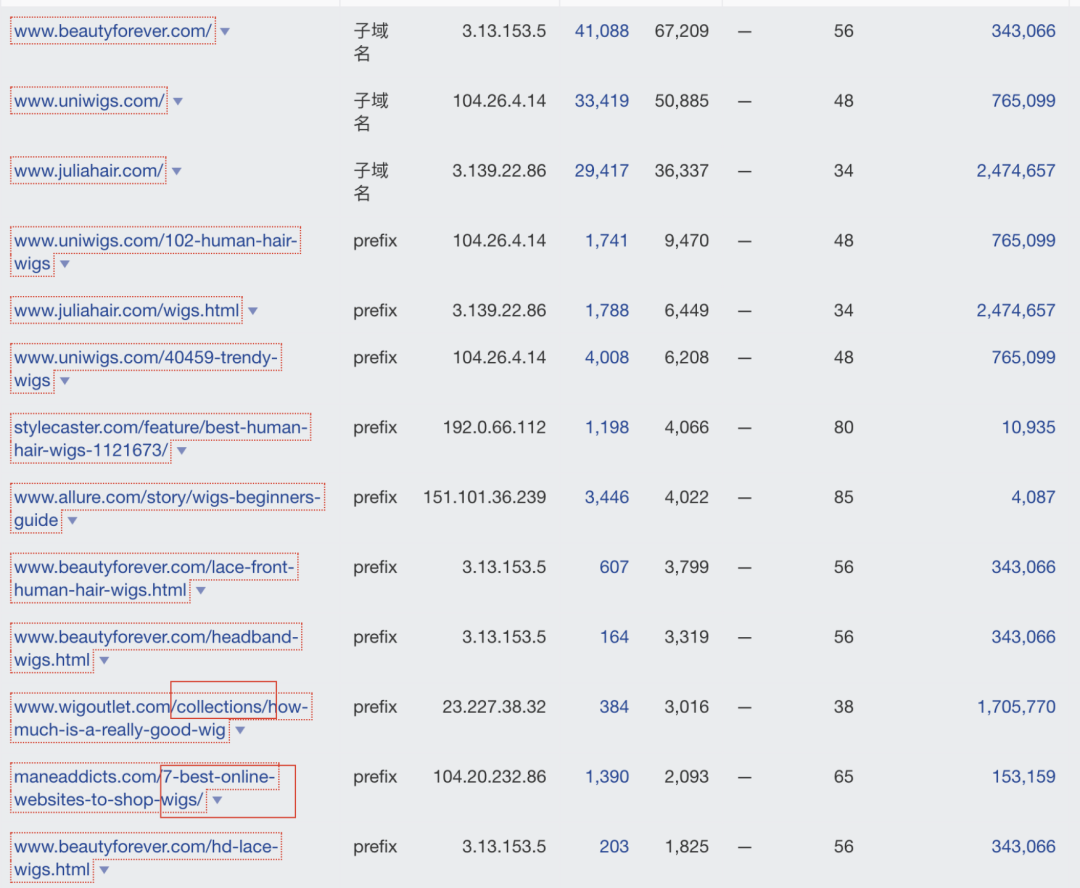
Batch Analysis data
Step 7: Schedule and optimize the content
Use the results to create a content plan and strengthen the site's internal links.
Content schedule
Create a weekly publishing plan from the high-value pages you identified. A spreadsheet in Excel or WPS can record each topic, publication date and optimization goal. The schedule supports consistency, but every page should still answer a distinct need.
Internal-link optimization
After publication, connect the new page to relevant established pages. A clear internal-link structure helps Google discover and understand the page and gives readers a useful route through the subject.
Following these steps can make keyword research and prioritization more efficient.
SEO is a long-term effort that rewards precise execution and patience. This workflow cannot move a page or keyword to the top of page one tomorrow. The source suggests that sustained work on useful supporting pages may produce steadier progress over three or six months, but that observation is not a guarantee.
As content structure, keyword targeting and page quality improve, results can accumulate over time. The actual effect on rankings, organic traffic and qualified prospects must be measured rather than assumed.
If you are dealing with an SEO optimization challenge or want a more systematic approach to Google visibility, professional support and structured learning may help. GlobalBrandsDigital draws on more than ten years of SEO experience to help businesses improve search visibility. Its work covers keyword research, page optimization and whole-site SEO.
The company also maintains an SEO learning and optimization framework for the major steps involved in ranking work. It is intended for both newer practitioners and people with some SEO experience.
If you want to avoid unnecessary detours in your SEO program, contact GlobalBrandsDigital to discuss a strategy suited to your site and competitive market.