On this pageTable of contents+
- What is freshness distance?
- Why the diagnostic deserves attention
- How to inspect freshness distance
- Method one: manual review
- Method two: use a calculator carefully
- Different date ranges imply different review rhythms
- Add freshness distance to the editorial workflow
- Step one: label keywords by freshness need
- Step two: grade content by value and risk
- Step three: record page-level review data
- Step four: run the pre-publication check
- Conclusion: update for accuracy, not appearance

Content teams often update pages because a calendar says they are old. That can waste time on durable topics while leaving fast-changing advice inaccurate. Freshness distance offers a more focused starting point by examining the dates visible in a query's leading results.
It is a diagnostic, not a Google metric or a guaranteed ranking factor. The observation can indicate that current information matters to the result set, but it must be combined with factual change, audience need, business value and editorial risk.
Pair the inventory with content governance, use search and page evidence to prioritize reviews, protect releases through technical validation, and apply the same evidence boundary when reviewing claims about image understanding. Update priorities can also be checked against the ranking diagnosis workflow and new topic clues from image-search research.
What is freshness distance?
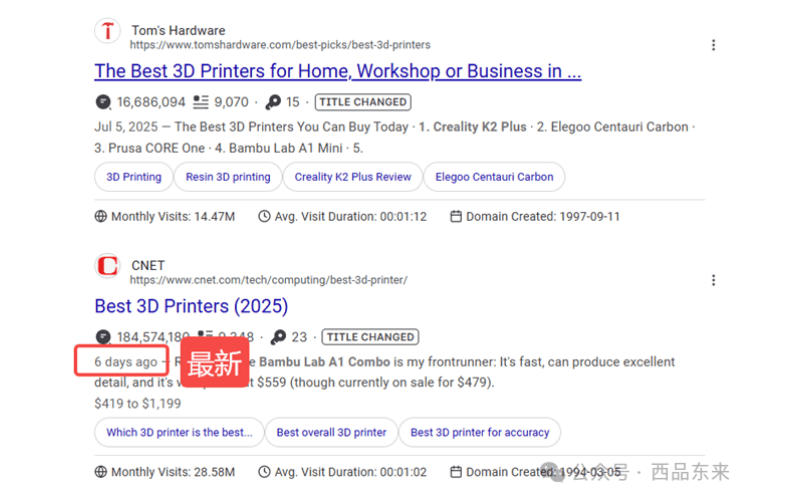
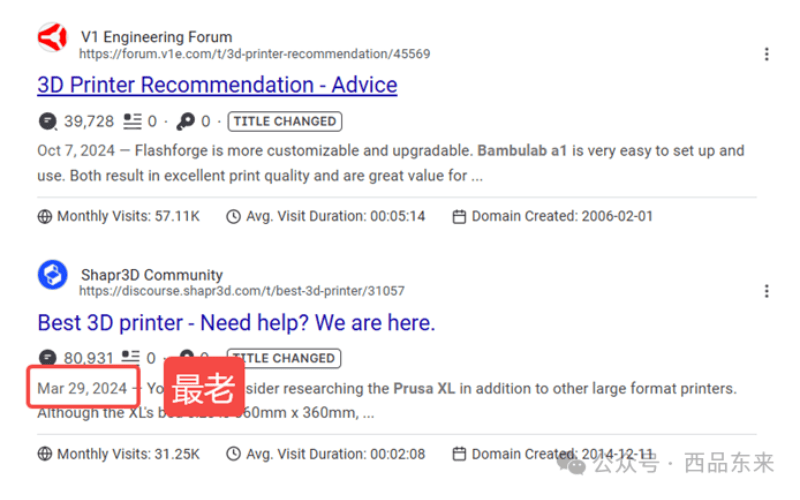
Freshness distance is a working diagnostic that compares the publication or update dates visible among leading results for a query. A narrow, recent range can suggest that users and the result set value current information. The useful question is not whether the tactic sounds plausible in isolation, but whether it helps a defined audience complete a real task and supports the page's intended role.
Record the visible dates for a consistent result sample and calculate the span or distribution instead of relying on the newest result alone. Record the owner, scope and expected outcome before implementation. Then review visible result dates, page-level updated dates, result type and any undated pages that limit the calculation so the decision can be checked against observable evidence instead of intuition alone.
- Purpose: connect this section to the visitor decision it is meant to improve.
- Implementation: Record the visible dates for a consistent result sample and calculate the span or distribution instead of relying on the newest result alone.
- Evidence: review visible result dates, page-level updated dates, result type and any undated pages that limit the calculation before declaring the work successful.
- Control: preserve the baseline, reviewer and rollback condition in the work record.
Why the diagnostic deserves attention
Some topics change quickly because products, prices, rules or recommendations evolve. Other topics remain useful for years. Treating both groups with the same editorial calendar wastes effort. The useful question is not whether the tactic sounds plausible in isolation, but whether it helps a defined audience complete a real task and supports the page's intended role.
Use freshness distance as one prioritization signal alongside traffic, business value, factual change and declining user satisfaction. Record the owner, scope and expected outcome before implementation. Then review date patterns, query trends, factual volatility, lost impressions and the consequences of leaving incorrect information live so the decision can be checked against observable evidence instead of intuition alone.
- Purpose: connect this section to the visitor decision it is meant to improve.
- Implementation: Use freshness distance as one prioritization signal alongside traffic, business value, factual change and declining user satisfaction.
- Evidence: review date patterns, query trends, factual volatility, lost impressions and the consequences of leaving incorrect information live before declaring the work successful.
- Control: preserve the baseline, reviewer and rollback condition in the work record.
How to inspect freshness distance
The calculation begins with a clearly defined query, market, device and result depth. Search personalization and changing features mean the sample is an observation, not a permanent property of the keyword. The useful question is not whether the tactic sounds plausible in isolation, but whether it helps a defined audience complete a real task and supports the page's intended role.
Capture the result set, note the observation date and use the same inclusion rules whenever the query is reviewed. Record the owner, scope and expected outcome before implementation. Then review the saved result sample, observed dates, country and language settings and excluded result features so the decision can be checked against observable evidence instead of intuition alone.
- Purpose: connect this section to the visitor decision it is meant to improve.
- Implementation: Capture the result set, note the observation date and use the same inclusion rules whenever the query is reviewed.
- Evidence: review the saved result sample, observed dates, country and language settings and excluded result features before declaring the work successful.
- Control: preserve the baseline, reviewer and rollback condition in the work record.
Method one: manual review
Manual review is suitable for priority queries because an editor can distinguish a true article update from a date shown for navigation, comments or unrelated structured data. The useful question is not whether the tactic sounds plausible in isolation, but whether it helps a defined audience complete a real task and supports the page's intended role.
Open each result, verify the relevant date on the page and record both the newest and oldest credible dates in a worksheet. Record the owner, scope and expected outcome before implementation. Then review page bylines, visible modification notes, structured data, archive copies and the content changes actually made so the decision can be checked against observable evidence instead of intuition alone.
- Purpose: connect this section to the visitor decision it is meant to improve.
- Implementation: Open each result, verify the relevant date on the page and record both the newest and oldest credible dates in a worksheet.
- Evidence: review page bylines, visible modification notes, structured data, archive copies and the content changes actually made before declaring the work successful.
- Control: preserve the baseline, reviewer and rollback condition in the work record.
Method two: use a calculator carefully
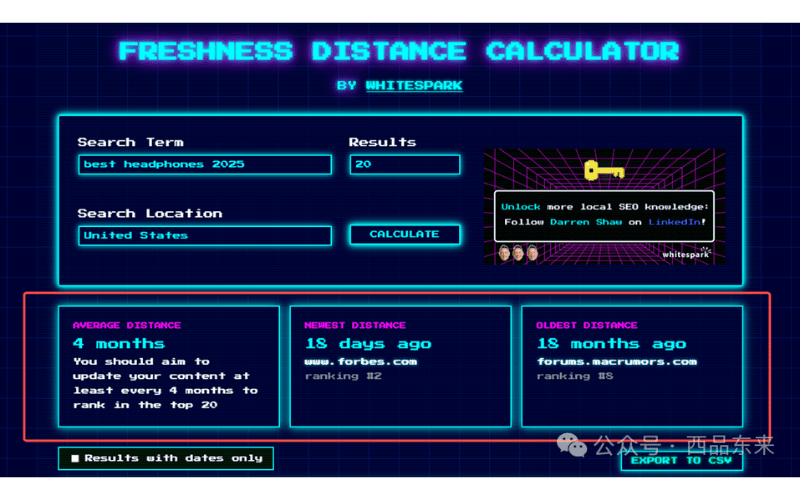
A calculator can speed up collection across many queries, but its output inherits the limitations of the result sample and date extraction. A suggested update interval is not a search-engine rule. The useful question is not whether the tactic sounds plausible in isolation, but whether it helps a defined audience complete a real task and supports the page's intended role.
Validate a sample manually, document the tool settings and treat the calculated interval as a triage suggestion. Record the owner, scope and expected outcome before implementation. Then review tool methodology, extraction accuracy, result coverage and differences between automated and manual samples so the decision can be checked against observable evidence instead of intuition alone.
- Purpose: connect this section to the visitor decision it is meant to improve.
- Implementation: Validate a sample manually, document the tool settings and treat the calculated interval as a triage suggestion.
- Evidence: review tool methodology, extraction accuracy, result coverage and differences between automated and manual samples before declaring the work successful.
- Control: preserve the baseline, reviewer and rollback condition in the work record.
Different date ranges imply different review rhythms
A tight recent range can justify frequent factual checks, while a broad or old range may indicate that durable quality matters more than constant date changes. The update must still add real value. The useful question is not whether the tactic sounds plausible in isolation, but whether it helps a defined audience complete a real task and supports the page's intended role.
Assign a review window based on volatility and risk, then update facts, examples, product availability and supporting evidence where needed. Record the owner, scope and expected outcome before implementation. Then review material source changes, user questions, result-date distribution and whether the proposed revision changes the answer so the decision can be checked against observable evidence instead of intuition alone.
- Purpose: connect this section to the visitor decision it is meant to improve.
- Implementation: Assign a review window based on volatility and risk, then update facts, examples, product availability and supporting evidence where needed.
- Evidence: review material source changes, user questions, result-date distribution and whether the proposed revision changes the answer before declaring the work successful.
- Control: preserve the baseline, reviewer and rollback condition in the work record.
Add freshness distance to the editorial workflow
The metric is most useful when it changes ownership and review behavior. A spreadsheet that nobody connects to the editorial backlog will not protect content quality. The useful question is not whether the tactic sounds plausible in isolation, but whether it helps a defined audience complete a real task and supports the page's intended role.
Add freshness class, review owner, last evidence check and next decision date to the content inventory. Record the owner, scope and expected outcome before implementation. Then review inventory completeness, overdue reviews, change logs and the performance of updated versus unchanged controls so the decision can be checked against observable evidence instead of intuition alone.
- Purpose: connect this section to the visitor decision it is meant to improve.
- Implementation: Add freshness class, review owner, last evidence check and next decision date to the content inventory.
- Evidence: review inventory completeness, overdue reviews, change logs and the performance of updated versus unchanged controls before declaring the work successful.
- Control: preserve the baseline, reviewer and rollback condition in the work record.
Step one: label keywords by freshness need
Group queries as fast-changing, periodically changing or mostly durable. The label should reflect the underlying information need, not merely a date appearing in the query. The useful question is not whether the tactic sounds plausible in isolation, but whether it helps a defined audience complete a real task and supports the page's intended role.
Define criteria for each class and let editors override the label when a regulatory, product or market event changes the risk. Record the owner, scope and expected outcome before implementation. Then review historical date ranges, topic volatility, customer expectations and documented override reasons so the decision can be checked against observable evidence instead of intuition alone.
- Purpose: connect this section to the visitor decision it is meant to improve.
- Implementation: Define criteria for each class and let editors override the label when a regulatory, product or market event changes the risk.
- Evidence: review historical date ranges, topic volatility, customer expectations and documented override reasons before declaring the work successful.
- Control: preserve the baseline, reviewer and rollback condition in the work record.
Step two: grade content by value and risk
High-traffic, high-conversion or high-consequence pages deserve closer review than low-impact evergreen references. Freshness need and business priority are separate dimensions. The useful question is not whether the tactic sounds plausible in isolation, but whether it helps a defined audience complete a real task and supports the page's intended role.
Create service levels that specify reviewer expertise, evidence requirements and maximum review intervals. Record the owner, scope and expected outcome before implementation. Then review traffic, conversions, legal or safety consequences, source reliability and operational capacity so the decision can be checked against observable evidence instead of intuition alone.
- Purpose: connect this section to the visitor decision it is meant to improve.
- Implementation: Create service levels that specify reviewer expertise, evidence requirements and maximum review intervals.
- Evidence: review traffic, conversions, legal or safety consequences, source reliability and operational capacity before declaring the work successful.
- Control: preserve the baseline, reviewer and rollback condition in the work record.
Step three: record page-level review data
A visible “updated” date should represent a meaningful review or revision. Automatically changing dates without changing the content misleads users and weakens the audit trail. The useful question is not whether the tactic sounds plausible in isolation, but whether it helps a defined audience complete a real task and supports the page's intended role.
Store the reviewer, checked sources, changed sections and reason for retaining or changing the visible date. Record the owner, scope and expected outcome before implementation. Then review version diffs, citation dates, reviewer notes and the rendered structured data so the decision can be checked against observable evidence instead of intuition alone.
- Purpose: connect this section to the visitor decision it is meant to improve.
- Implementation: Store the reviewer, checked sources, changed sections and reason for retaining or changing the visible date.
- Evidence: review version diffs, citation dates, reviewer notes and the rendered structured data before declaring the work successful.
- Control: preserve the baseline, reviewer and rollback condition in the work record.
Step four: run the pre-publication check
Before republishing, verify that new claims are supported, old screenshots are labeled, links still work and the change has not broken headings, schema or internal navigation. The useful question is not whether the tactic sounds plausible in isolation, but whether it helps a defined audience complete a real task and supports the page's intended role.
Use a checklist covering facts, dates, media, metadata, accessibility, internal links and rollback readiness. Record the owner, scope and expected outcome before implementation. Then review the page diff, automated checks, editorial approval and the live-page verification record so the decision can be checked against observable evidence instead of intuition alone.
- Purpose: connect this section to the visitor decision it is meant to improve.
- Implementation: Use a checklist covering facts, dates, media, metadata, accessibility, internal links and rollback readiness.
- Evidence: review the page diff, automated checks, editorial approval and the live-page verification record before declaring the work successful.
- Control: preserve the baseline, reviewer and rollback condition in the work record.
Conclusion: update for accuracy, not appearance
Freshness distance can reveal when current information appears to matter in a result set. It cannot tell a team to change a page on a fixed schedule or guarantee a ranking improvement. The useful question is not whether the tactic sounds plausible in isolation, but whether it helps a defined audience complete a real task and supports the page's intended role.
Use the signal to focus review effort, make substantive revisions and retain a clear explanation of what changed. Record the owner, scope and expected outcome before implementation. Then review accuracy, audience usefulness, result patterns and performance measured with other release factors in view so the decision can be checked against observable evidence instead of intuition alone.
- Purpose: connect this section to the visitor decision it is meant to improve.
- Implementation: Use the signal to focus review effort, make substantive revisions and retain a clear explanation of what changed.
- Evidence: review accuracy, audience usefulness, result patterns and performance measured with other release factors in view before declaring the work successful.
- Control: preserve the baseline, reviewer and rollback condition in the work record.
| Signal | Possible interpretation | Editorial response |
|---|---|---|
| Narrow, recent date range | The query may reward current information | Review facts and examples frequently |
| Wide date range | Strong older resources may remain useful | Update only when accuracy or usefulness changes |
| Few trustworthy dates | The sample is inconclusive | Use volatility, users and first-party evidence |