GlobalBrandsDigital logoGlobalBrandsDigital
Search intelligence

Where Google Search Data Lives: GSC, Merchant Center and Analytics

Route query, page, product and conversion questions to the report that actually measures them, with explicit scope and attribution limits.

Explore
On this pageTable of contents
  1. Start with Google Search Console
  2. Use Merchant Center for product participation and performance
  3. A practical reporting summary
  4. Queries, pages and search types
  5. Product impressions, clicks and purchases
  6. Reconcile reports without double counting
  7. A repeatable data-routing checklist

Search reporting is fragmented because different products answer different questions. Search Console measures search visibility and clicks, Merchant Center reports product participation and performance, and analytics records behavior after the visit when tracking is valid.

The goal is not to force every query into one dashboard. Define the surface, entity, metric, date range and attribution boundary first, then reconcile the reports with stable identifiers.

Continue through website and search analytics, technical measurement foundations, keyword and query research, Google Tag Manager implementation, AI visibility diagnosis.

Current product and search boundaries were checked against Search Console Performance report guidance, Merchant Center product performance guidance.

Start with Google Search Console

Treat start with google search console as a documented decision inside a search reporting model. Preserve the useful principle from the source while rechecking product behavior, market context and evidence before implementation.

For implementation, choose the report from the business question rather than from the most convenient dashboard. Apply that rule specifically to start with google search console, assign an owner and define the condition that would stop or reverse the change.

Validate this section with metric definitions, account scope, search type, product approval, landing-page identifiers and transaction records. Record the market, device, date and data source so another reviewer can reproduce the conclusion without relying on the original screenshot alone.

  • Decision: define the audience need and expected outcome for this section.
  • Implementation: make the smallest useful change under a named owner.
  • Evidence: preserve the dated input, comparison and review result.
  • Control: test edge cases and retain a safe rollback path.
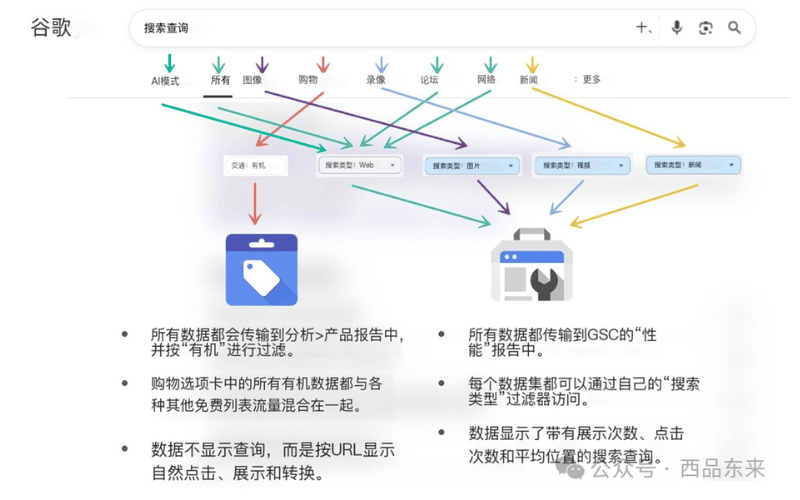
Google search reporting data map: source visual 1 for Start with Google Search Console
Google search reporting data map: source visual 1 for Start with Google Search Console. Interface and metrics reflect the source capture date.

Use Merchant Center for product participation and performance

Start from a dated baseline and segment by market, page type and qualified outcome. Treat correlation as a lead for investigation, then check launches, campaigns, tracking changes and external demand.

For implementation, choose the report from the business question rather than from the most convenient dashboard. Apply that rule specifically to use merchant center for product participation and performance, assign an owner and define the condition that would stop or reverse the change.

Validate this section with metric definitions, account scope, search type, product approval, landing-page identifiers and transaction records. Record the market, device, date and data source so another reviewer can reproduce the conclusion without relying on the original screenshot alone.

  • Decision: define the audience need and expected outcome for this section.
  • Implementation: make the smallest useful change under a named owner.
  • Evidence: preserve the dated input, comparison and review result.
  • Control: test edge cases and retain a safe rollback path.

A practical reporting summary

Treat a practical reporting summary as a documented decision inside a search reporting model. Preserve the useful principle from the source while rechecking product behavior, market context and evidence before implementation.

For implementation, choose the report from the business question rather than from the most convenient dashboard. Apply that rule specifically to a practical reporting summary, assign an owner and define the condition that would stop or reverse the change.

Validate this section with metric definitions, account scope, search type, product approval, landing-page identifiers and transaction records. Record the market, device, date and data source so another reviewer can reproduce the conclusion without relying on the original screenshot alone.

  • Decision: define the audience need and expected outcome for this section.
  • Implementation: make the smallest useful change under a named owner.
  • Evidence: preserve the dated input, comparison and review result.
  • Control: test edge cases and retain a safe rollback path.

Queries, pages and search types

Treat queries, pages and search types as a documented decision inside a search reporting model. Preserve the useful principle from the source while rechecking product behavior, market context and evidence before implementation.

For implementation, choose the report from the business question rather than from the most convenient dashboard. Apply that rule specifically to queries, pages and search types, assign an owner and define the condition that would stop or reverse the change.

Validate this section with metric definitions, account scope, search type, product approval, landing-page identifiers and transaction records. Record the market, device, date and data source so another reviewer can reproduce the conclusion without relying on the original screenshot alone.

  • Decision: define the audience need and expected outcome for this section.
  • Implementation: make the smallest useful change under a named owner.
  • Evidence: preserve the dated input, comparison and review result.
  • Control: test edge cases and retain a safe rollback path.

Product impressions, clicks and purchases

Treat product impressions, clicks and purchases as a documented decision inside a search reporting model. Preserve the useful principle from the source while rechecking product behavior, market context and evidence before implementation.

For implementation, choose the report from the business question rather than from the most convenient dashboard. Apply that rule specifically to product impressions, clicks and purchases, assign an owner and define the condition that would stop or reverse the change.

Validate this section with metric definitions, account scope, search type, product approval, landing-page identifiers and transaction records. Record the market, device, date and data source so another reviewer can reproduce the conclusion without relying on the original screenshot alone.

  • Decision: define the audience need and expected outcome for this section.
  • Implementation: make the smallest useful change under a named owner.
  • Evidence: preserve the dated input, comparison and review result.
  • Control: test edge cases and retain a safe rollback path.

Reconcile reports without double counting

Treat reconcile reports without double counting as a documented decision inside a search reporting model. Preserve the useful principle from the source while rechecking product behavior, market context and evidence before implementation.

For implementation, choose the report from the business question rather than from the most convenient dashboard. Apply that rule specifically to reconcile reports without double counting, assign an owner and define the condition that would stop or reverse the change.

Validate this section with metric definitions, account scope, search type, product approval, landing-page identifiers and transaction records. Record the market, device, date and data source so another reviewer can reproduce the conclusion without relying on the original screenshot alone.

  • Decision: define the audience need and expected outcome for this section.
  • Implementation: make the smallest useful change under a named owner.
  • Evidence: preserve the dated input, comparison and review result.
  • Control: test edge cases and retain a safe rollback path.

A repeatable data-routing checklist

Treat a repeatable data-routing checklist as a documented decision inside a search reporting model. Preserve the useful principle from the source while rechecking product behavior, market context and evidence before implementation.

For implementation, choose the report from the business question rather than from the most convenient dashboard. Apply that rule specifically to a repeatable data-routing checklist, assign an owner and define the condition that would stop or reverse the change.

Validate this section with metric definitions, account scope, search type, product approval, landing-page identifiers and transaction records. Record the market, device, date and data source so another reviewer can reproduce the conclusion without relying on the original screenshot alone.

  • Decision: define the audience need and expected outcome for this section.
  • Implementation: make the smallest useful change under a named owner.
  • Evidence: preserve the dated input, comparison and review result.
  • Control: test edge cases and retain a safe rollback path.
Ready when you are

Build a search growth system that compounds.

Tell us about your market, website and growth target. We will identify the moves that matter first.

By submitting, you agree that we may use this information to respond to your request.