
On this pageTable of contents+

Several companies have asked us privately:
"We have invested heavily in SEO for our company website, so why does our brand still not appear in Google's Sources Across the Web?"
The underlying issue is that Google results can surface what independent sites say about a brand, not only what the brand says about itself.
This article explains the Sources Across the Web module shown in the source example, why that visibility can matter and how to pursue relevant third-party coverage systematically.
What Is Sources Across the Web?
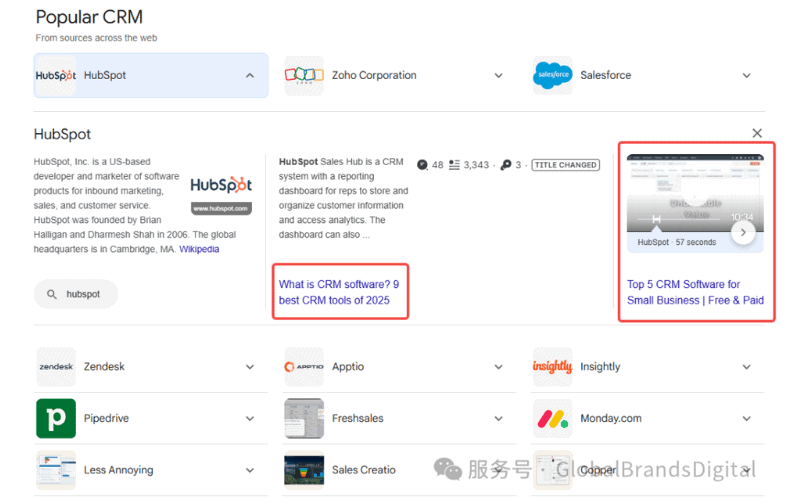
When someone searches for a category such as "best CRM software," the Google results page may show a special module assembled from third-party material, including reviews, lists, videos and forum posts.
In the source screenshot, the expanded HubSpot entry presents third-party pages rather than a page from HubSpot's own website. Result modules, sources and layouts can vary by query, market, device and date, so this screenshot is an example rather than a permanent eligibility rule.
The source's central point is that an independent assessment can corroborate a brand's own claims.
That distinction is especially important for "best" and "top" category queries, where users are comparing alternatives.
It also reflects a broader direction in Search: Google can expose articles, videos, forums and other perspectives from across the web. That does not mean every third-party mention will be selected or improve rankings.
Why Is This Visibility Worth Pursuing?
The value is not limited to another display position. Independent coverage gives users additional material for deciding which providers deserve consideration.
If your brand appears in relevant coverage:
1. It can reach people using high-intent "best" or "top" category queries as they compare options.
2. Readers can evaluate an independent publisher's description instead of relying only on the brand's own promotional copy.
3. An accurate mention can help more people discover and recognize the brand. More mentions do not automatically make a site authoritative, raise its rankings or create a compounding SEO effect.
Treat this as an earned-media and reputation workflow, not a shortcut or a replacement for improving your own website.
Practical Steps for Appearing in Sources Across the Web
1. Find list articles that do not yet include your brand
Do not begin by collecting editor email addresses indiscriminately. First use the source's search string to narrow the field to relevant comparison pages:
intitle:"[your category]" (intitle:top OR intitle:best) -intext:[your brand name]
For example, an AI writing tool company could try:
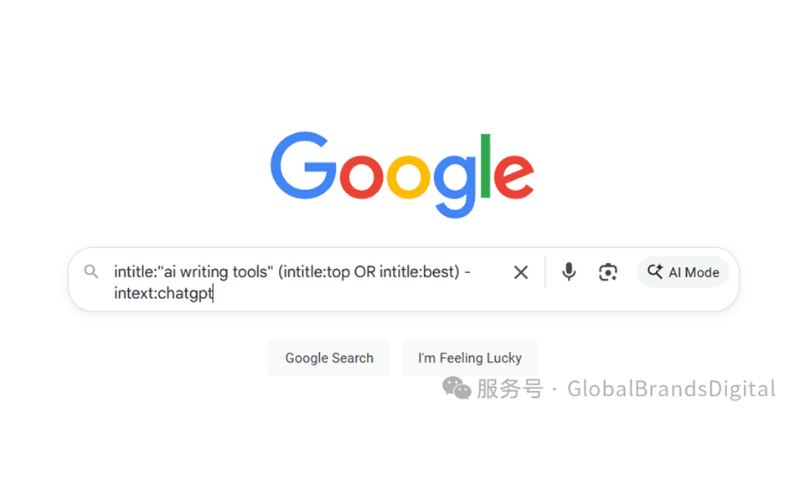
intitle:"ai writing tools" (intitle:top OR intitle:best) -intext:chatgpt
This query can help surface list articles that may not mention the brand, creating a prospect list for manual review. Keep it as a heuristic rather than an exhaustive report: Google's current search-refinement help documents quotes and minus among popular operators. Search Central's operator overview cautions that results are bound by indexing and retrieval limits. Check that each article is genuinely relevant and that the brand is actually absent.
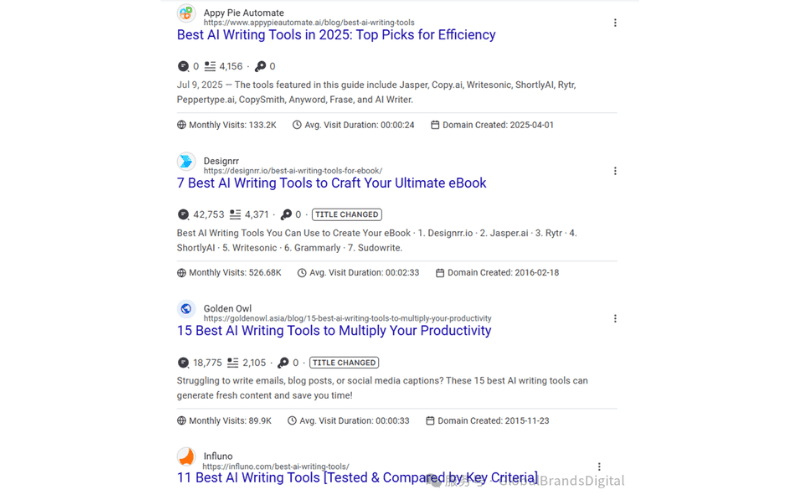
2. Build a mutually useful relationship with the publisher
Once you find a suitable article, do not open with a demand to "add our brand."
Editors and authors are more likely to consider a proposal that is relevant, evidence-based and useful to their readers.
The source's practical approach is straightforward:
1. The source proposes offering a backlink from a site with a high Domain Rating (DR) so the publisher also receives traffic or SEO value. DR is a third-party tool metric, not a Google metric. Do not turn the link into a ranking-credit quid pro quo: Google's spam policies identify links created mainly to manipulate rankings and excessive exchanges as link spam. Any link should be editorially justified, and paid or sponsored links should be marked sponsored or nofollow as appropriate.
2. Provide a ready-to-review asset pack that reduces research time and preserves the publisher's editorial control:
- Concise product facts and differentiators that the editor can verify before using
- High-resolution product images with clear rights and source information
- A free trial link so the editor can test the product firsthand, with no obligation to publish a positive assessment
- If useful, a factual review brief or draft as reference material. The author must judge it independently. For US-facing coverage, clearly disclose whether the brand paid the publisher or provided a product or service, as the FTC's disclosure guidance explains; review the applicable rules in other markets.
3. If placement order matters, ask how the publisher applies its comparison criteria; do not buy or condition a more prominent position without clear disclosure.
In short, offer substantial, verifiable value and save the editor time without controlling the verdict.
Tools commonly used for outreach include Hunter.io for finding professional email addresses and LinkedIn for contacting authors or editors. Mentioning them here describes the source workflow, not an endorsement.
Which Companies Are Best Suited to This Approach?
- B2B software companies, including SaaS and AI tools
- DTC brands in categories such as beauty, consumer electronics and lifestyle products
- Competitive service businesses, including consultancies, agencies and cross-border service providers
Whenever customers habitually compare several options, relevant independent coverage is worth pursuing. It may improve the brand's chance of being considered, but no outreach campaign can guarantee inclusion in a particular Google result feature.