GlobalBrandsDigital logoGlobalBrandsDigital
Search intelligence

Backlink Statistics: Questions, Metrics and Evidence

Use historical link-industry survey questions as a research framework while separating practitioner opinion from current causal evidence.

Explore
On this pageTable of contents
  1. 1. What Is a Backlink?
  2. 2. Do Backlinks Still Matter?
  3. 1. Common Link-Building Methods and Tools
  4. 1.1 Link-Building Survey Results
  5. 1.2 Common Link Research Tools
  6. 2. Link Measurement and Reporting Standards
  7. 2.1 If You Could Use One Authority or Quality Measure
  8. 2.2 KPIs for Evaluating Link Outcomes
  9. 2.3 Can Brand Mentions Affect Organic Visibility?
  10. 2.4 How Links May Influence Organic Results
  11. 2.5 Will Links Remain a Signal in Five Years?
  12. 2.6 Will Links Remain a Signal in Ten Years?
  13. 2.7 How Long Before Link Work Shows Results?
  14. 2.8 Can Buying Links Improve Rankings?
  15. 2.9 Factors for Judging Link Relevance
  16. 2.10 Page-Level vs. Site-Level Link Effects
  17. 2.11 Which Link Metrics Matter Most?
  18. 3. Content-Led Link Building
  19. 3.1 Should Content Be Created to Earn Links?
  20. 3.2 How Many Links Can One Campaign Earn?
  21. 3.3 Which Content Is Most Link-Worthy?
  22. 4. Link Building for Ecommerce
  23. 4.1 The Hardest Part of Ecommerce Link Prospecting
  24. 4.2 Where Ecommerce Teams Test Outreach
  25. 4.3 Should Products Be Provided During Outreach?
  26. Final Takeaways

Backlink reports can reveal how practitioners think, but a survey is not a ranking experiment. Dates, sample design, definitions and incentives matter before a percentage becomes a recommendation.

This localized edition preserves every source question and visual while adding explicit evidence boundaries for authority scores, campaign KPIs, content-led acquisition and ecommerce outreach.

Related implementation paths: SEO services, evidence-led content writing, technical SEO, keyword research, search measurement, link-building strategy.

A backlink is useful when it is editorially placed, relevant to the surrounding topic and capable of sending qualified readers. Third-party authority scores are comparative indicators, not Google metrics or proof of ranking impact.

Decision rule: treat survey results as hypotheses and validate them against the site’s own qualified outcomes. Apply the rule to 1. what is a backlink? with a named owner, a target audience and a clear condition for stopping or revising the work.

Implementation: document the smallest complete sequence, including inputs, page or platform changes, review responsibility and the handoff into a backlink evidence review. Avoid hidden manual steps that cannot be repeated across markets.

  • Audience: define the searcher, market and decision this section supports.
  • Action: implement the smallest useful change under a named owner.
  • Proof: keep the dated source, baseline and review result.
  • Guardrail: test edge cases and retain a safe rollback path.
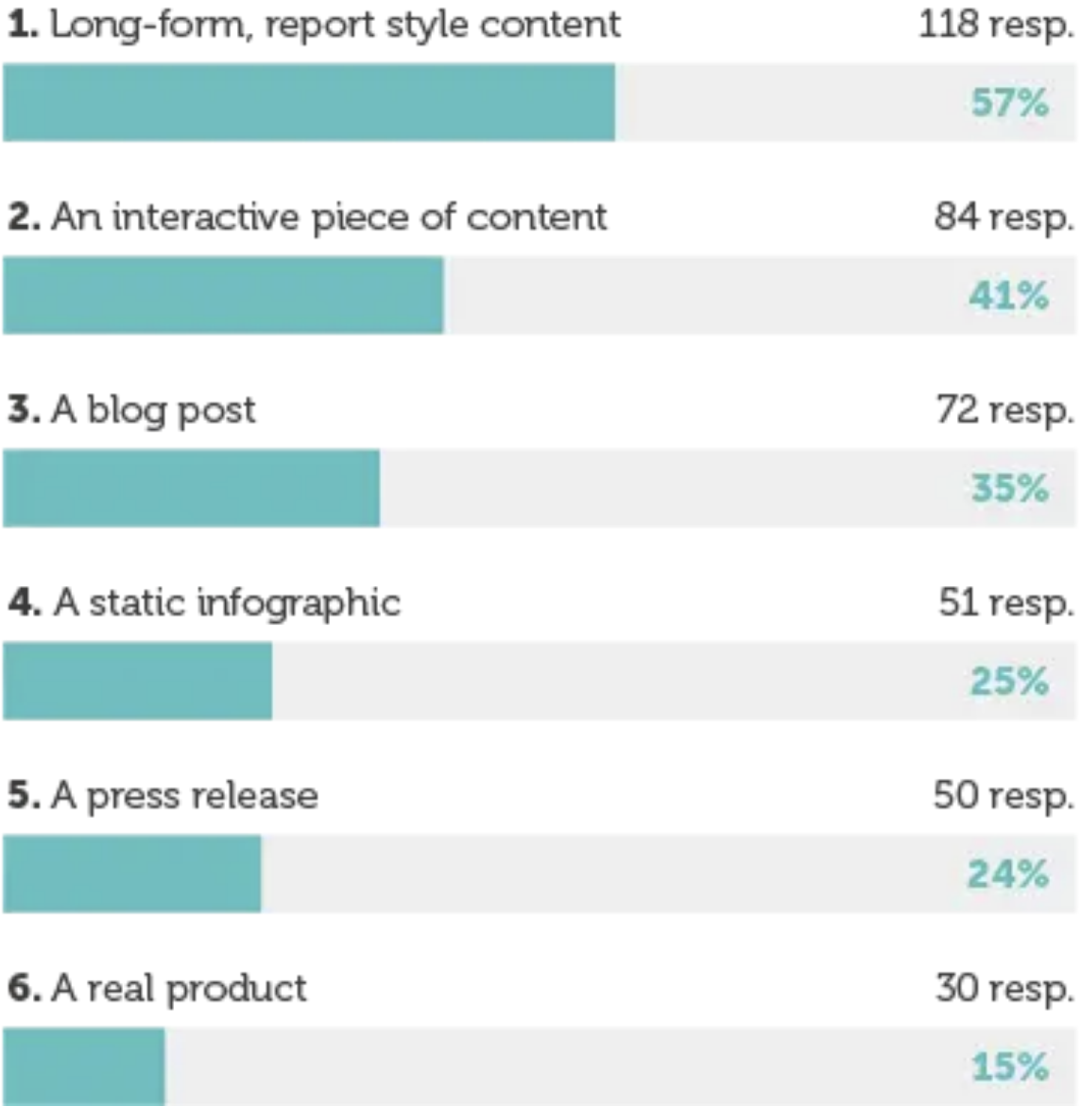
Backlink statistics and evidence framework: source visual 1 for 1. What Is a Backlink?
Backlink statistics and evidence framework: source visual 1 for 1. What Is a Backlink?. Interface details and metrics reflect the source capture date.

A backlink is useful when it is editorially placed, relevant to the surrounding topic and capable of sending qualified readers. Third-party authority scores are comparative indicators, not Google metrics or proof of ranking impact.

Decision rule: treat survey results as hypotheses and validate them against the site’s own qualified outcomes. Apply the rule to 2. do backlinks still matter? with a named owner, a target audience and a clear condition for stopping or revising the work.

Implementation: document the smallest complete sequence, including inputs, page or platform changes, review responsibility and the handoff into a backlink evidence review. Avoid hidden manual steps that cannot be repeated across markets.

  • Audience: define the searcher, market and decision this section supports.
  • Action: implement the smallest useful change under a named owner.
  • Proof: keep the dated source, baseline and review result.
  • Guardrail: test edge cases and retain a safe rollback path.

Treat 1. common link-building methods and tools as a testable decision inside a backlink evidence review. Preserve the useful source principle, but verify present product behavior, market context and evidence before implementation.

Decision rule: treat survey results as hypotheses and validate them against the site’s own qualified outcomes. Apply the rule to 1. common link-building methods and tools with a named owner, a target audience and a clear condition for stopping or revising the work.

Implementation: document the smallest complete sequence, including inputs, page or platform changes, review responsibility and the handoff into a backlink evidence review. Avoid hidden manual steps that cannot be repeated across markets.

  • Audience: define the searcher, market and decision this section supports.
  • Action: implement the smallest useful change under a named owner.
  • Proof: keep the dated source, baseline and review result.
  • Guardrail: test edge cases and retain a safe rollback path.

Treat 1.1 link-building survey results as a testable decision inside a backlink evidence review. Preserve the useful source principle, but verify present product behavior, market context and evidence before implementation.

Decision rule: treat survey results as hypotheses and validate them against the site’s own qualified outcomes. Apply the rule to 1.1 link-building survey results with a named owner, a target audience and a clear condition for stopping or revising the work.

Implementation: document the smallest complete sequence, including inputs, page or platform changes, review responsibility and the handoff into a backlink evidence review. Avoid hidden manual steps that cannot be repeated across markets.

  • Audience: define the searcher, market and decision this section supports.
  • Action: implement the smallest useful change under a named owner.
  • Proof: keep the dated source, baseline and review result.
  • Guardrail: test edge cases and retain a safe rollback path.

Treat 1.2 common link research tools as a testable decision inside a backlink evidence review. Preserve the useful source principle, but verify present product behavior, market context and evidence before implementation.

Decision rule: treat survey results as hypotheses and validate them against the site’s own qualified outcomes. Apply the rule to 1.2 common link research tools with a named owner, a target audience and a clear condition for stopping or revising the work.

Implementation: document the smallest complete sequence, including inputs, page or platform changes, review responsibility and the handoff into a backlink evidence review. Avoid hidden manual steps that cannot be repeated across markets.

  • Audience: define the searcher, market and decision this section supports.
  • Action: implement the smallest useful change under a named owner.
  • Proof: keep the dated source, baseline and review result.
  • Guardrail: test edge cases and retain a safe rollback path.
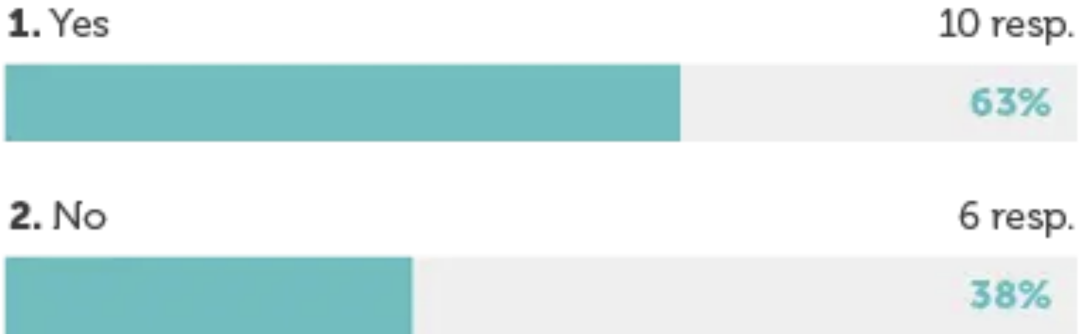
Backlink statistics and evidence framework: source visual 2 for 1.2 Common Link Research Tools
Backlink statistics and evidence framework: source visual 2 for 1.2 Common Link Research Tools. Interface details and metrics reflect the source capture date.

Measure by country, language, page type and qualified outcome from a dated baseline. Reconcile Search Console, analytics, business-profile and rank-tracking evidence because each system covers a different part of the journey.

Decision rule: treat survey results as hypotheses and validate them against the site’s own qualified outcomes. Apply the rule to 2. link measurement and reporting standards with a named owner, a target audience and a clear condition for stopping or revising the work.

Implementation: document the smallest complete sequence, including inputs, page or platform changes, review responsibility and the handoff into a backlink evidence review. Avoid hidden manual steps that cannot be repeated across markets.

  • Audience: define the searcher, market and decision this section supports.
  • Action: implement the smallest useful change under a named owner.
  • Proof: keep the dated source, baseline and review result.
  • Guardrail: test edge cases and retain a safe rollback path.
Backlink statistics and evidence framework: source visual 3 for 2. Link Measurement and Reporting Standards
Backlink statistics and evidence framework: source visual 3 for 2. Link Measurement and Reporting Standards. Interface details and metrics reflect the source capture date.

2.1 If You Could Use One Authority or Quality Measure

A backlink is useful when it is editorially placed, relevant to the surrounding topic and capable of sending qualified readers. Third-party authority scores are comparative indicators, not Google metrics or proof of ranking impact.

Decision rule: treat survey results as hypotheses and validate them against the site’s own qualified outcomes. Apply the rule to 2.1 if you could use one authority or quality measure with a named owner, a target audience and a clear condition for stopping or revising the work.

Implementation: document the smallest complete sequence, including inputs, page or platform changes, review responsibility and the handoff into a backlink evidence review. Avoid hidden manual steps that cannot be repeated across markets.

  • Audience: define the searcher, market and decision this section supports.
  • Action: implement the smallest useful change under a named owner.
  • Proof: keep the dated source, baseline and review result.
  • Guardrail: test edge cases and retain a safe rollback path.
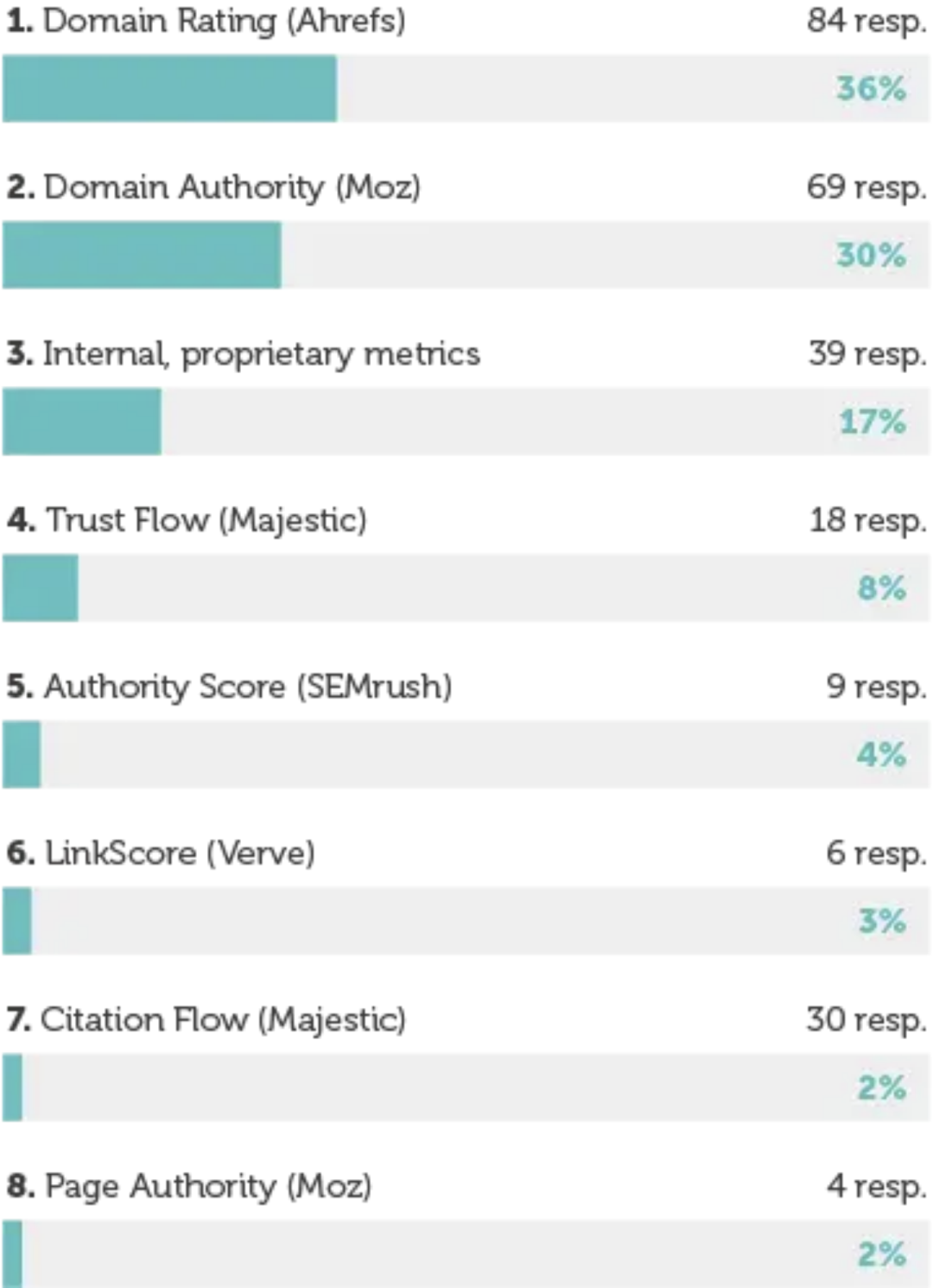
Backlink statistics and evidence framework: source visual 4 for 2.1 If You Could Use One Authority or Quality Measure
Backlink statistics and evidence framework: source visual 4 for 2.1 If You Could Use One Authority or Quality Measure. Interface details and metrics reflect the source capture date.

Treat 2.2 kpis for evaluating link outcomes as a testable decision inside a backlink evidence review. Preserve the useful source principle, but verify present product behavior, market context and evidence before implementation.

Decision rule: treat survey results as hypotheses and validate them against the site’s own qualified outcomes. Apply the rule to 2.2 kpis for evaluating link outcomes with a named owner, a target audience and a clear condition for stopping or revising the work.

Implementation: document the smallest complete sequence, including inputs, page or platform changes, review responsibility and the handoff into a backlink evidence review. Avoid hidden manual steps that cannot be repeated across markets.

  • Audience: define the searcher, market and decision this section supports.
  • Action: implement the smallest useful change under a named owner.
  • Proof: keep the dated source, baseline and review result.
  • Guardrail: test edge cases and retain a safe rollback path.
Backlink statistics and evidence framework: source visual 5 for 2.2 KPIs for Evaluating Link Outcomes
Backlink statistics and evidence framework: source visual 5 for 2.2 KPIs for Evaluating Link Outcomes. Interface details and metrics reflect the source capture date.

2.3 Can Brand Mentions Affect Organic Visibility?

Treat 2.3 can brand mentions affect organic visibility? as a testable decision inside a backlink evidence review. Preserve the useful source principle, but verify present product behavior, market context and evidence before implementation.

Decision rule: treat survey results as hypotheses and validate them against the site’s own qualified outcomes. Apply the rule to 2.3 can brand mentions affect organic visibility? with a named owner, a target audience and a clear condition for stopping or revising the work.

Implementation: document the smallest complete sequence, including inputs, page or platform changes, review responsibility and the handoff into a backlink evidence review. Avoid hidden manual steps that cannot be repeated across markets.

  • Audience: define the searcher, market and decision this section supports.
  • Action: implement the smallest useful change under a named owner.
  • Proof: keep the dated source, baseline and review result.
  • Guardrail: test edge cases and retain a safe rollback path.
Backlink statistics and evidence framework: source visual 6 for 2.3 Can Brand Mentions Affect Organic Visibility?
Backlink statistics and evidence framework: source visual 6 for 2.3 Can Brand Mentions Affect Organic Visibility?. Interface details and metrics reflect the source capture date.

Treat 2.4 how links may influence organic results as a testable decision inside a backlink evidence review. Preserve the useful source principle, but verify present product behavior, market context and evidence before implementation.

Decision rule: treat survey results as hypotheses and validate them against the site’s own qualified outcomes. Apply the rule to 2.4 how links may influence organic results with a named owner, a target audience and a clear condition for stopping or revising the work.

Implementation: document the smallest complete sequence, including inputs, page or platform changes, review responsibility and the handoff into a backlink evidence review. Avoid hidden manual steps that cannot be repeated across markets.

  • Audience: define the searcher, market and decision this section supports.
  • Action: implement the smallest useful change under a named owner.
  • Proof: keep the dated source, baseline and review result.
  • Guardrail: test edge cases and retain a safe rollback path.
Backlink statistics and evidence framework: source visual 7 for 2.4 How Links May Influence Organic Results
Backlink statistics and evidence framework: source visual 7 for 2.4 How Links May Influence Organic Results. Interface details and metrics reflect the source capture date.

Treat 2.5 will links remain a signal in five years? as a testable decision inside a backlink evidence review. Preserve the useful source principle, but verify present product behavior, market context and evidence before implementation.

Decision rule: treat survey results as hypotheses and validate them against the site’s own qualified outcomes. Apply the rule to 2.5 will links remain a signal in five years? with a named owner, a target audience and a clear condition for stopping or revising the work.

Implementation: document the smallest complete sequence, including inputs, page or platform changes, review responsibility and the handoff into a backlink evidence review. Avoid hidden manual steps that cannot be repeated across markets.

  • Audience: define the searcher, market and decision this section supports.
  • Action: implement the smallest useful change under a named owner.
  • Proof: keep the dated source, baseline and review result.
  • Guardrail: test edge cases and retain a safe rollback path.

Treat 2.6 will links remain a signal in ten years? as a testable decision inside a backlink evidence review. Preserve the useful source principle, but verify present product behavior, market context and evidence before implementation.

Decision rule: treat survey results as hypotheses and validate them against the site’s own qualified outcomes. Apply the rule to 2.6 will links remain a signal in ten years? with a named owner, a target audience and a clear condition for stopping or revising the work.

Implementation: document the smallest complete sequence, including inputs, page or platform changes, review responsibility and the handoff into a backlink evidence review. Avoid hidden manual steps that cannot be repeated across markets.

  • Audience: define the searcher, market and decision this section supports.
  • Action: implement the smallest useful change under a named owner.
  • Proof: keep the dated source, baseline and review result.
  • Guardrail: test edge cases and retain a safe rollback path.

Treat 2.7 how long before link work shows results? as a testable decision inside a backlink evidence review. Preserve the useful source principle, but verify present product behavior, market context and evidence before implementation.

Decision rule: treat survey results as hypotheses and validate them against the site’s own qualified outcomes. Apply the rule to 2.7 how long before link work shows results? with a named owner, a target audience and a clear condition for stopping or revising the work.

Implementation: document the smallest complete sequence, including inputs, page or platform changes, review responsibility and the handoff into a backlink evidence review. Avoid hidden manual steps that cannot be repeated across markets.

  • Audience: define the searcher, market and decision this section supports.
  • Action: implement the smallest useful change under a named owner.
  • Proof: keep the dated source, baseline and review result.
  • Guardrail: test edge cases and retain a safe rollback path.
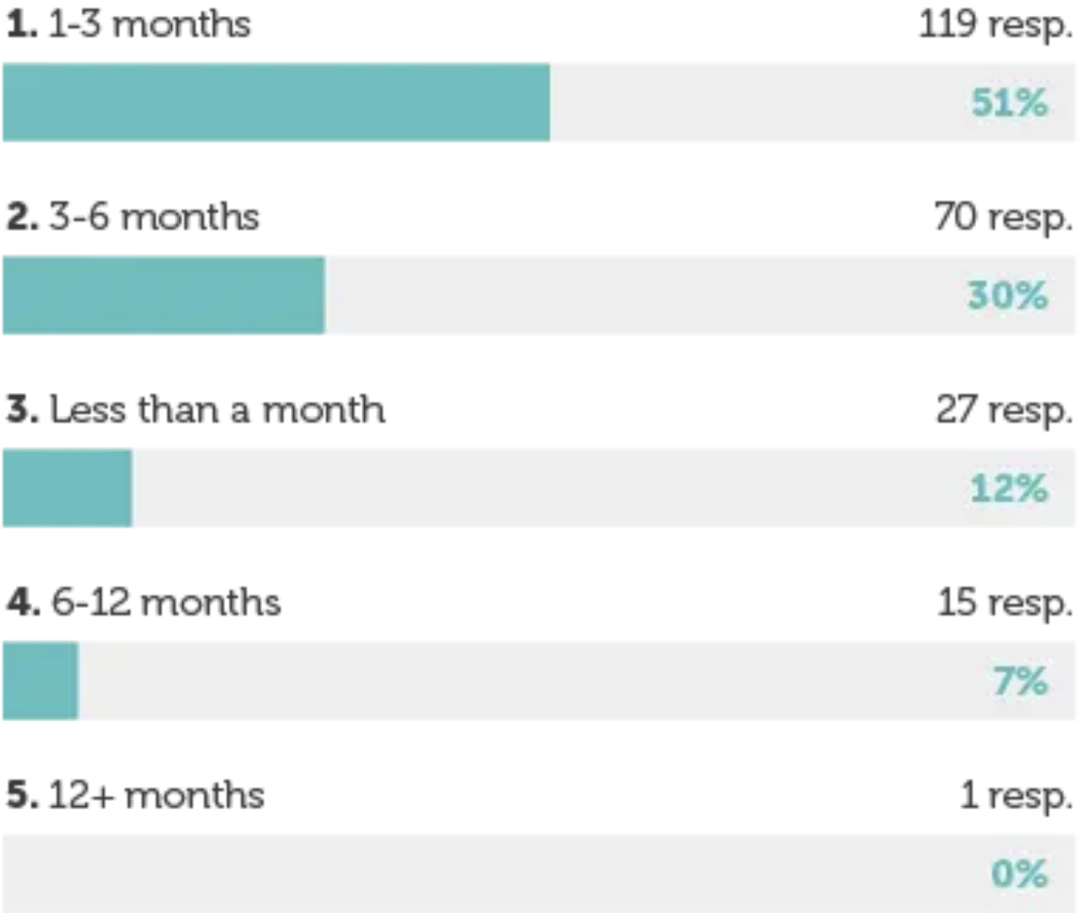
Backlink statistics and evidence framework: source visual 8 for 2.7 How Long Before Link Work Shows Results?
Backlink statistics and evidence framework: source visual 8 for 2.7 How Long Before Link Work Shows Results?. Interface details and metrics reflect the source capture date.

Links intended to manipulate ranking create policy and durability risk. Paid or sponsored placements require appropriate qualification, and editorial relevance is more defensible than volume, automation or concealed compensation.

Decision rule: treat survey results as hypotheses and validate them against the site’s own qualified outcomes. Apply the rule to 2.8 can buying links improve rankings? with a named owner, a target audience and a clear condition for stopping or revising the work.

Implementation: document the smallest complete sequence, including inputs, page or platform changes, review responsibility and the handoff into a backlink evidence review. Avoid hidden manual steps that cannot be repeated across markets.

  • Audience: define the searcher, market and decision this section supports.
  • Action: implement the smallest useful change under a named owner.
  • Proof: keep the dated source, baseline and review result.
  • Guardrail: test edge cases and retain a safe rollback path.

Treat 2.9 factors for judging link relevance as a testable decision inside a backlink evidence review. Preserve the useful source principle, but verify present product behavior, market context and evidence before implementation.

Decision rule: treat survey results as hypotheses and validate them against the site’s own qualified outcomes. Apply the rule to 2.9 factors for judging link relevance with a named owner, a target audience and a clear condition for stopping or revising the work.

Implementation: document the smallest complete sequence, including inputs, page or platform changes, review responsibility and the handoff into a backlink evidence review. Avoid hidden manual steps that cannot be repeated across markets.

  • Audience: define the searcher, market and decision this section supports.
  • Action: implement the smallest useful change under a named owner.
  • Proof: keep the dated source, baseline and review result.
  • Guardrail: test edge cases and retain a safe rollback path.
Backlink statistics and evidence framework: source visual 9 for 2.9 Factors for Judging Link Relevance
Backlink statistics and evidence framework: source visual 9 for 2.9 Factors for Judging Link Relevance. Interface details and metrics reflect the source capture date.

Treat 2.10 page-level vs. site-level link effects as a testable decision inside a backlink evidence review. Preserve the useful source principle, but verify present product behavior, market context and evidence before implementation.

Decision rule: treat survey results as hypotheses and validate them against the site’s own qualified outcomes. Apply the rule to 2.10 page-level vs. site-level link effects with a named owner, a target audience and a clear condition for stopping or revising the work.

Implementation: document the smallest complete sequence, including inputs, page or platform changes, review responsibility and the handoff into a backlink evidence review. Avoid hidden manual steps that cannot be repeated across markets.

  • Audience: define the searcher, market and decision this section supports.
  • Action: implement the smallest useful change under a named owner.
  • Proof: keep the dated source, baseline and review result.
  • Guardrail: test edge cases and retain a safe rollback path.
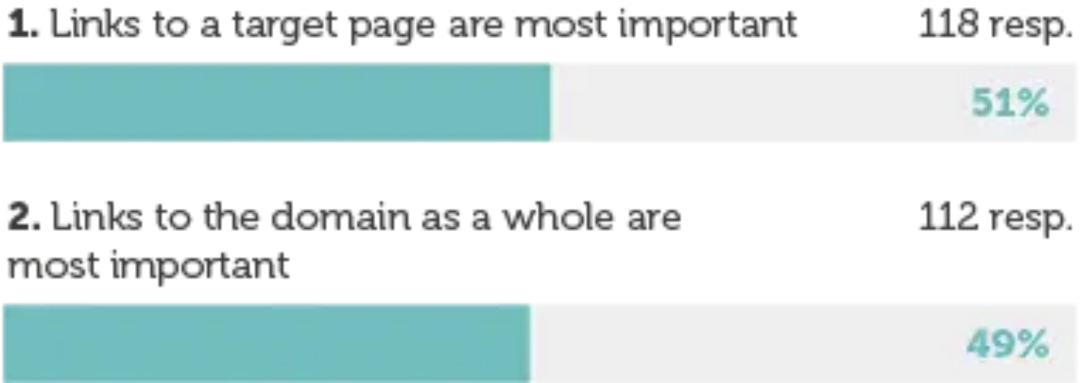
Backlink statistics and evidence framework: source visual 10 for 2.10 Page-Level vs. Site-Level Link Effects
Backlink statistics and evidence framework: source visual 10 for 2.10 Page-Level vs. Site-Level Link Effects. Interface details and metrics reflect the source capture date.

Treat 2.11 which link metrics matter most? as a testable decision inside a backlink evidence review. Preserve the useful source principle, but verify present product behavior, market context and evidence before implementation.

Decision rule: treat survey results as hypotheses and validate them against the site’s own qualified outcomes. Apply the rule to 2.11 which link metrics matter most? with a named owner, a target audience and a clear condition for stopping or revising the work.

Implementation: document the smallest complete sequence, including inputs, page or platform changes, review responsibility and the handoff into a backlink evidence review. Avoid hidden manual steps that cannot be repeated across markets.

  • Audience: define the searcher, market and decision this section supports.
  • Action: implement the smallest useful change under a named owner.
  • Proof: keep the dated source, baseline and review result.
  • Guardrail: test edge cases and retain a safe rollback path.
Backlink statistics and evidence framework: source visual 11 for 2.11 Which Link Metrics Matter Most?
Backlink statistics and evidence framework: source visual 11 for 2.11 Which Link Metrics Matter Most?. Interface details and metrics reflect the source capture date.

A backlink is useful when it is editorially placed, relevant to the surrounding topic and capable of sending qualified readers. Third-party authority scores are comparative indicators, not Google metrics or proof of ranking impact.

Decision rule: treat survey results as hypotheses and validate them against the site’s own qualified outcomes. Apply the rule to 3. content-led link building with a named owner, a target audience and a clear condition for stopping or revising the work.

Implementation: document the smallest complete sequence, including inputs, page or platform changes, review responsibility and the handoff into a backlink evidence review. Avoid hidden manual steps that cannot be repeated across markets.

  • Audience: define the searcher, market and decision this section supports.
  • Action: implement the smallest useful change under a named owner.
  • Proof: keep the dated source, baseline and review result.
  • Guardrail: test edge cases and retain a safe rollback path.

Treat 3.1 should content be created to earn links? as a testable decision inside a backlink evidence review. Preserve the useful source principle, but verify present product behavior, market context and evidence before implementation.

Decision rule: treat survey results as hypotheses and validate them against the site’s own qualified outcomes. Apply the rule to 3.1 should content be created to earn links? with a named owner, a target audience and a clear condition for stopping or revising the work.

Implementation: document the smallest complete sequence, including inputs, page or platform changes, review responsibility and the handoff into a backlink evidence review. Avoid hidden manual steps that cannot be repeated across markets.

  • Audience: define the searcher, market and decision this section supports.
  • Action: implement the smallest useful change under a named owner.
  • Proof: keep the dated source, baseline and review result.
  • Guardrail: test edge cases and retain a safe rollback path.
Backlink statistics and evidence framework: source visual 12 for 3.1 Should Content Be Created to Earn Links?
Backlink statistics and evidence framework: source visual 12 for 3.1 Should Content Be Created to Earn Links?. Interface details and metrics reflect the source capture date.

Treat 3.2 how many links can one campaign earn? as a testable decision inside a backlink evidence review. Preserve the useful source principle, but verify present product behavior, market context and evidence before implementation.

Decision rule: treat survey results as hypotheses and validate them against the site’s own qualified outcomes. Apply the rule to 3.2 how many links can one campaign earn? with a named owner, a target audience and a clear condition for stopping or revising the work.

Implementation: document the smallest complete sequence, including inputs, page or platform changes, review responsibility and the handoff into a backlink evidence review. Avoid hidden manual steps that cannot be repeated across markets.

  • Audience: define the searcher, market and decision this section supports.
  • Action: implement the smallest useful change under a named owner.
  • Proof: keep the dated source, baseline and review result.
  • Guardrail: test edge cases and retain a safe rollback path.
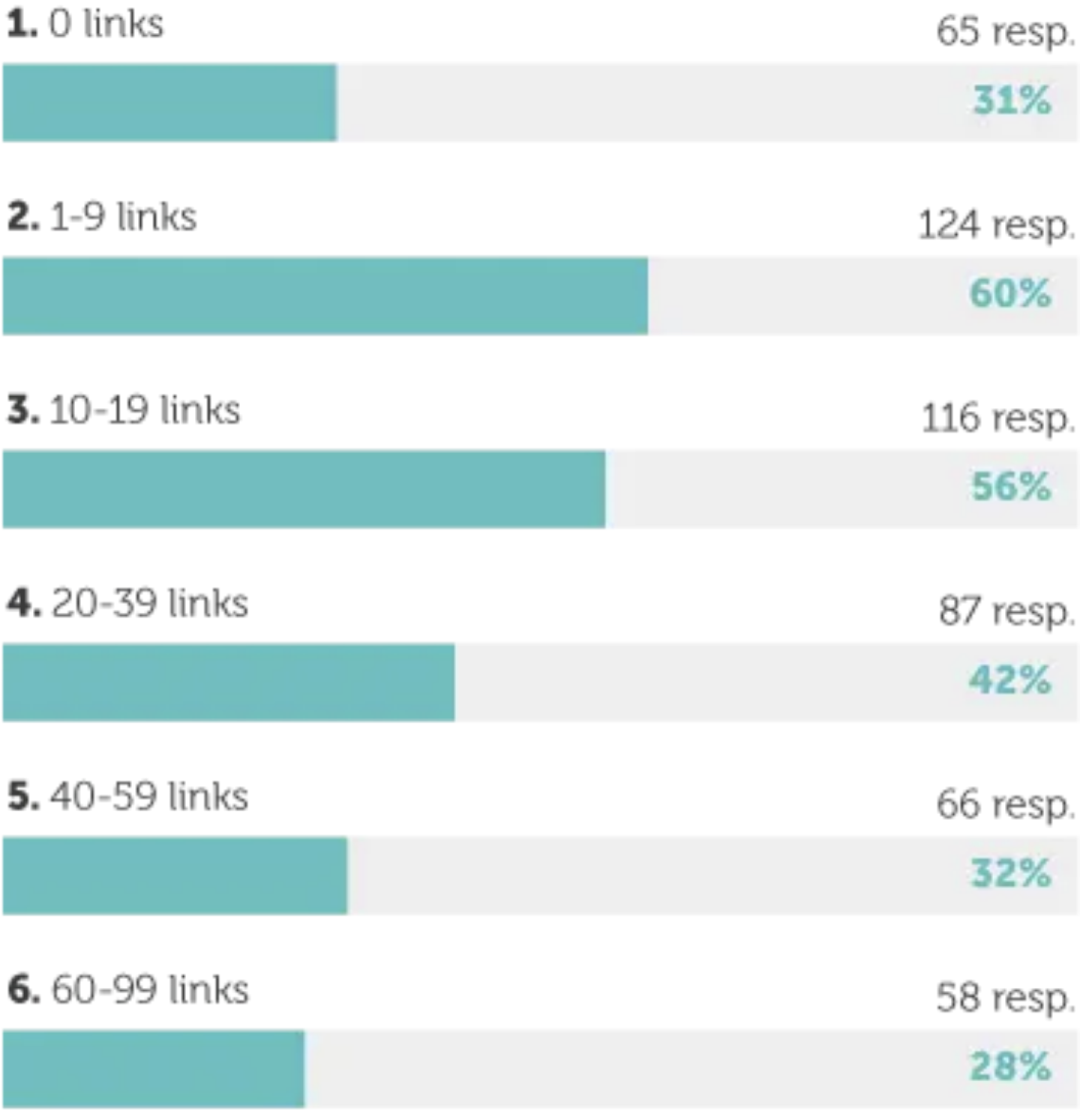
Backlink statistics and evidence framework: source visual 13 for 3.2 How Many Links Can One Campaign Earn?
Backlink statistics and evidence framework: source visual 13 for 3.2 How Many Links Can One Campaign Earn?. Interface details and metrics reflect the source capture date.

Treat 3.3 which content is most link-worthy? as a testable decision inside a backlink evidence review. Preserve the useful source principle, but verify present product behavior, market context and evidence before implementation.

Decision rule: treat survey results as hypotheses and validate them against the site’s own qualified outcomes. Apply the rule to 3.3 which content is most link-worthy? with a named owner, a target audience and a clear condition for stopping or revising the work.

Implementation: document the smallest complete sequence, including inputs, page or platform changes, review responsibility and the handoff into a backlink evidence review. Avoid hidden manual steps that cannot be repeated across markets.

  • Audience: define the searcher, market and decision this section supports.
  • Action: implement the smallest useful change under a named owner.
  • Proof: keep the dated source, baseline and review result.
  • Guardrail: test edge cases and retain a safe rollback path.
Backlink statistics and evidence framework: source visual 14 for 3.3 Which Content Is Most Link-Worthy?
Backlink statistics and evidence framework: source visual 14 for 3.3 Which Content Is Most Link-Worthy?. Interface details and metrics reflect the source capture date.

A backlink is useful when it is editorially placed, relevant to the surrounding topic and capable of sending qualified readers. Third-party authority scores are comparative indicators, not Google metrics or proof of ranking impact.

Decision rule: treat survey results as hypotheses and validate them against the site’s own qualified outcomes. Apply the rule to 4. link building for ecommerce with a named owner, a target audience and a clear condition for stopping or revising the work.

Implementation: document the smallest complete sequence, including inputs, page or platform changes, review responsibility and the handoff into a backlink evidence review. Avoid hidden manual steps that cannot be repeated across markets.

  • Audience: define the searcher, market and decision this section supports.
  • Action: implement the smallest useful change under a named owner.
  • Proof: keep the dated source, baseline and review result.
  • Guardrail: test edge cases and retain a safe rollback path.

Treat 4.1 the hardest part of ecommerce link prospecting as a testable decision inside a backlink evidence review. Preserve the useful source principle, but verify present product behavior, market context and evidence before implementation.

Decision rule: treat survey results as hypotheses and validate them against the site’s own qualified outcomes. Apply the rule to 4.1 the hardest part of ecommerce link prospecting with a named owner, a target audience and a clear condition for stopping or revising the work.

Implementation: document the smallest complete sequence, including inputs, page or platform changes, review responsibility and the handoff into a backlink evidence review. Avoid hidden manual steps that cannot be repeated across markets.

  • Audience: define the searcher, market and decision this section supports.
  • Action: implement the smallest useful change under a named owner.
  • Proof: keep the dated source, baseline and review result.
  • Guardrail: test edge cases and retain a safe rollback path.
Backlink statistics and evidence framework: source visual 15 for 4.1 The Hardest Part of Ecommerce Link Prospecting
Backlink statistics and evidence framework: source visual 15 for 4.1 The Hardest Part of Ecommerce Link Prospecting. Interface details and metrics reflect the source capture date.

4.2 Where Ecommerce Teams Test Outreach

Treat 4.2 where ecommerce teams test outreach as a testable decision inside a backlink evidence review. Preserve the useful source principle, but verify present product behavior, market context and evidence before implementation.

Decision rule: treat survey results as hypotheses and validate them against the site’s own qualified outcomes. Apply the rule to 4.2 where ecommerce teams test outreach with a named owner, a target audience and a clear condition for stopping or revising the work.

Implementation: document the smallest complete sequence, including inputs, page or platform changes, review responsibility and the handoff into a backlink evidence review. Avoid hidden manual steps that cannot be repeated across markets.

  • Audience: define the searcher, market and decision this section supports.
  • Action: implement the smallest useful change under a named owner.
  • Proof: keep the dated source, baseline and review result.
  • Guardrail: test edge cases and retain a safe rollback path.
Backlink statistics and evidence framework: source visual 16 for 4.2 Where Ecommerce Teams Test Outreach
Backlink statistics and evidence framework: source visual 16 for 4.2 Where Ecommerce Teams Test Outreach. Interface details and metrics reflect the source capture date.

4.3 Should Products Be Provided During Outreach?

Treat 4.3 should products be provided during outreach? as a testable decision inside a backlink evidence review. Preserve the useful source principle, but verify present product behavior, market context and evidence before implementation.

Decision rule: treat survey results as hypotheses and validate them against the site’s own qualified outcomes. Apply the rule to 4.3 should products be provided during outreach? with a named owner, a target audience and a clear condition for stopping or revising the work.

Implementation: document the smallest complete sequence, including inputs, page or platform changes, review responsibility and the handoff into a backlink evidence review. Avoid hidden manual steps that cannot be repeated across markets.

  • Audience: define the searcher, market and decision this section supports.
  • Action: implement the smallest useful change under a named owner.
  • Proof: keep the dated source, baseline and review result.
  • Guardrail: test edge cases and retain a safe rollback path.
Backlink statistics and evidence framework: source visual 17 for 4.3 Should Products Be Provided During Outreach?
Backlink statistics and evidence framework: source visual 17 for 4.3 Should Products Be Provided During Outreach?. Interface details and metrics reflect the source capture date.

Final Takeaways

Treat final takeaways as a testable decision inside a backlink evidence review. Preserve the useful source principle, but verify present product behavior, market context and evidence before implementation.

Decision rule: treat survey results as hypotheses and validate them against the site’s own qualified outcomes. Apply the rule to final takeaways with a named owner, a target audience and a clear condition for stopping or revising the work.

Implementation: document the smallest complete sequence, including inputs, page or platform changes, review responsibility and the handoff into a backlink evidence review. Avoid hidden manual steps that cannot be repeated across markets.

  • Audience: define the searcher, market and decision this section supports.
  • Action: implement the smallest useful change under a named owner.
  • Proof: keep the dated source, baseline and review result.
  • Guardrail: test edge cases and retain a safe rollback path.
Backlink statistics and evidence framework: source visual 18 for Final Takeaways
Backlink statistics and evidence framework: source visual 18 for Final Takeaways. Interface details and metrics reflect the source capture date.
Decision evidence table 1
SignalUseful interpretationDo not infer
Observed changeDirection within the dated comparisonAutomatic causation
Third-party metricA comparative research inputA search-engine ranking score
Qualified outcomeA business result tied to a defined journeyUniversal market demand
Decision evidence table 2
SignalUseful interpretationDo not infer
Observed changeDirection within the dated comparisonAutomatic causation
Third-party metricA comparative research inputA search-engine ranking score
Qualified outcomeA business result tied to a defined journeyUniversal market demand
Ready when you are

Build a search growth system that compounds.

Tell us about your market, website and growth target. We will identify the moves that matter first.

By submitting, you agree that we may use this information to respond to your request.