
On this pageTable of contents+
- Which Businesses Benefit from Local SEO?
- 1. Stores, Showrooms and Branches Customers Can Visit
- 2. Businesses That Serve a Defined Area
- 3. Businesses Entering a New City, Country or Market
- 4. When Local SEO Is Not the First Priority
- What Is Local SEO, and How Does It Differ from General SEO?
- 1. Local Results Create a Different Search Journey
- 2. Local SEO Has Two Connected Workstreams
- 3. Why General SEO May Not Improve Local Visibility
- The Local SEO System: Site Foundations Plus Three Modules
- Website Foundations and Technical Requirements
- Profiles, Local Content, Trust and Prominence
- The Path from Search to a Qualified Customer
- Step 1: Research How Local Customers Search
- Step 2: Improve the Google Business Profile
- Step 3: Make the Website Verifiably Local
- Step 4: Distribute Consistent NAP and Citations
- Step 5: Use Reviews to Support Visibility and Customer Choice
- Step 6: Earn Local Links and Coverage
- Step 7: Measure Local SEO Outcomes
- Final Note: Connect Search Visibility to the Business

Many owners begin looking at local SEO not because they have discovered a new marketing concept, but because they have run into a specific commercial problem.
A physical location may have been trading for some time and kept its regular customers, yet the flow of new customers has clearly slowed. Advertising spend has not produced a corresponding increase in visits, enquiries or orders. When the owner searches on a phone for the relevant category or service in the city, the same familiar competitors keep appearing. Their own business is missing, buried low in the results, or shown with incomplete information and few reviews.
That leads to a practical question: if several businesses operate in the same city, why do some occupy better positions in Google Search and Maps, yet another business remains difficult to find? When people search for nearby + category
or city + service
, which business do they eventually visit or call?
All of those questions point to the same issue: can search consistently help the business reach customers within its local market?
That is the problem local SEO addresses. This guide explains it from three angles: which businesses are suited to local search, how local SEO differs from familiar website SEO, and how to plan the work as a complete system instead of performing a few disconnected tasks.
Which Businesses Benefit from Local SEO?
To judge the importance of local SEO, start with the shape of the business and how it acquires customers, not with technical details.
1. Stores, Showrooms and Branches Customers Can Visit
Local SEO is likely to matter whenever customers can visit a physical location. Examples include:
- Restaurants, cafés, dessert shops and bars
- Beauty salons, hairdressers, nail salons, gyms and spas
- Clinics, dental practices, veterinary hospitals and health-management centers
- Retail stores, brand experience centers, showrooms and sales outlets
These businesses share an important trait: before deciding where to go, customers look at the location, reviews, photos and opening hours. Much of that evaluation now takes place in Google Search and Maps.
Many people type something like nearby + category
or city + service
directly into a phone map or Google Search. Appearing in the map and local results puts a venue in the customer's consideration set. Its position alone does not determine how many people come through the door.
Where many nearby businesses compete, a complete and accurate profile, more genuine reviews and positive ratings can help a business stand out. Google says its local ranking factors include how well a profile matches the query and how far the business is from the searcher. It also considers how well known the business is. No single profile field or review count controls the order.
2. Businesses That Serve a Defined Area
A business does not necessarily need a storefront if it serves customers across a city, selected districts or another defined area. Examples include:
- On-site installation, repair, cleaning and moving services
- Tutoring, personal training, education and corporate training
- Home care, domestic help, postnatal care and mobile pet services
- Regional B2B services such as warehousing, logistics, engineering, renovation and managed operations
In these situations, many customers do not compare every possible supplier. They may search for city + service
, or search from their current location, and then call one of the first credible options they find. Local SEO is intended to help a legitimate service business enter that relevant shortlist.
3. Businesses Entering a New City, Country or Market
Another common use case is establishing a basic online presence as the company enters a new market, city or country. It might open a location in another city. It might build an independent website for overseas growth or bring a previously offline operation online.
In those circumstances, local search provides groundwork. Brand awareness may not exist yet, and advertising can stop as soon as the budget stops. Accurate map details can remain useful over time. Keep the profile consistent, add genuine reviews and photos, and publish clear local details and contact methods on the website. Together, those assets create a durable foundation without relying on a passing trend.
4. When Local SEO Is Not the First Priority
Some businesses are not sensitive to location. A service might be delivered entirely online, with customers unconcerned about the provider's city or country. A website might also have more fundamental problems with speed, structure or content. In those cases, local SEO can wait until the business improves its product and website, making better use of limited resources.
In simple terms, local search deserves a systematic program when customers are tied to an area. It matters when they can come to the premises or receive a service at theirs, and when they assess the place and its reputation in search results.
What Is Local SEO, and How Does It Differ from General SEO?
To understand local SEO clearly, first distinguish it from the familiar work of optimizing a website for search.
A simple comparison builds the right intuition:
General SEO asks, How can people across the web find this business?
Local SEO asks, How can people in this city or neighborhood find it?
The two are complementary, not interchangeable. When Google interprets a query as local, the result page can combine map-based business information with ordinary web results.
1. Local Results Create a Different Search Journey
Consider a common example. A search for how to cook a particular dish is likely to return recipes, instructional articles and videos. The usefulness and quality of the content and the broader site matter in this general SEO scenario.
Change the query to dish near me
or dish + city
, and the result page can look very different. A map and a group of local businesses may appear before the conventional web links. The customer is not trying to learn the recipe; they want somewhere to eat today. Location, reviews, photos and hours become central to the decision.
Local SEO concentrates on that second journey: helping the business become eligible and competitive in maps and local results, and maintaining a useful website presence in the organic results below.
2. Local SEO Has Two Connected Workstreams
When Google considers a search locally relevant, the page commonly includes two kinds of results: a map or local group, and ordinary organic results.
The first workstream concerns Maps and the local results.
The Business Profile is important here. Accurate details, an appropriate category, current hours, representative photos and genuine reviews all help Google and customers understand the business. They do not form a complete or deterministic formula. Google considers how well the profile matches the query, how far it is from the searcher and how well known the business is.
Many physical businesses recognize the frustration of seeing another location appear first on the same street despite offering no obviously better premises or service. Years of careful profile upkeep and customer activity may contribute. The public result alone does not reveal every ranking cause.
The second workstream concerns ordinary organic search results.
The familiar website fundamentals still apply. Publish clear service or location pages and refer naturally to the address and service area. Keep contact details visible and add useful local facts. Make the site fast and usable on mobile, connect related pages, and earn legitimate references from other sites. These foundations give customers a useful owned destination when they continue beyond the map results.
An ideal search journey lets a customer recognize the business in a local listing and then find its official website in the organic results. The two appearances can reinforce confidence without guaranteeing a click or sale.
3. Why General SEO May Not Improve Local Visibility
Businesses often feel that they are already doing SEO
, yet local results remain ordinary. The causes tend to fall into a few recurring groups.
One business works only on the website and neglects its local details. It invests in content, structure and code but never maintains its Google Business Profile, consistent name, address and phone details on important directories, genuine reviews or current location photos. It may gain some general web visibility but remain absent or weak in a local map journey.
Another business measures only total traffic. Reports combine SEO visits, keyword counts and sales. They never separate city-modified or near me
queries, profile calls, direction requests or results by branch. Local results then disappear into the average, making it difficult to tell whether the work is improving.
A third business has a local structure that does not match its operations. Several locations share one generic contact page; a multi-city service has no relevant city or area pages; or the website and profile disagree on the business name, address or phone. That ambiguity makes each location harder for customers and systems to understand.
The Local SEO System: Site Foundations Plus Three Modules
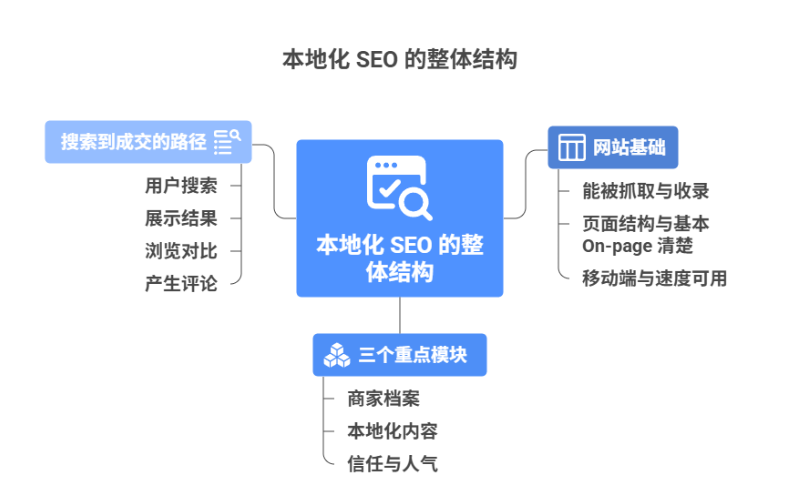
A local program can be understood in two layers: website foundations underneath, and three modules that shape the local experience above. Establishing the foundation before optimizing the modules is usually more efficient and stable.
Website Foundations and Technical Requirements
The official website must be crawlable and understandable, and it must give visitors a usable experience after they click.
In practice, check three things:
- Crawling and indexing: avoid accidental blocking in robots.txt or a plugin, provide a sitemap, and use appropriate 301 redirects during a migration.
- Clear page structure and basic on-page SEO: give each page one primary subject, use the core service and necessary city information naturally, and make contact details easy to find.
- Usable mobile performance: keep the layout readable, controls easy to tap and the first screen reasonably light, with no major performance weakness.
If none of these areas holds the site back, its foundation is fit for the next stage of local work.
Profiles, Local Content, Trust and Prominence
Google Business Profile: gives the business a presence in Search and Maps and helps customers assess whether it suits their needs.
Localized website structure and content: lets visitors confirm the location, service area and real operating details after reaching the official site.
Trust and prominence: accurate NAP details show customers where the business is and how to reach it. Genuine reviews show that people have used it. Relevant local mentions or links provide further signs that it operates in the community. These inputs can support confidence and visibility, but none is a guaranteed ranking lever.
The Path from Search to a Qualified Customer
A typical path is: local search → map/local results plus organic results → comparison of profiles and websites → call, message, directions request or online order → review and feedback.
Complete the profile, website, reviews and local mentions around that path to remove avoidable obstacles. The same marketing budget may then work harder. The commercial effect still depends on the offer, competitors and customer experience.
The next seven steps follow that path and break the practical local SEO work into a clear sequence.
Step 1: Research How Local Customers Search
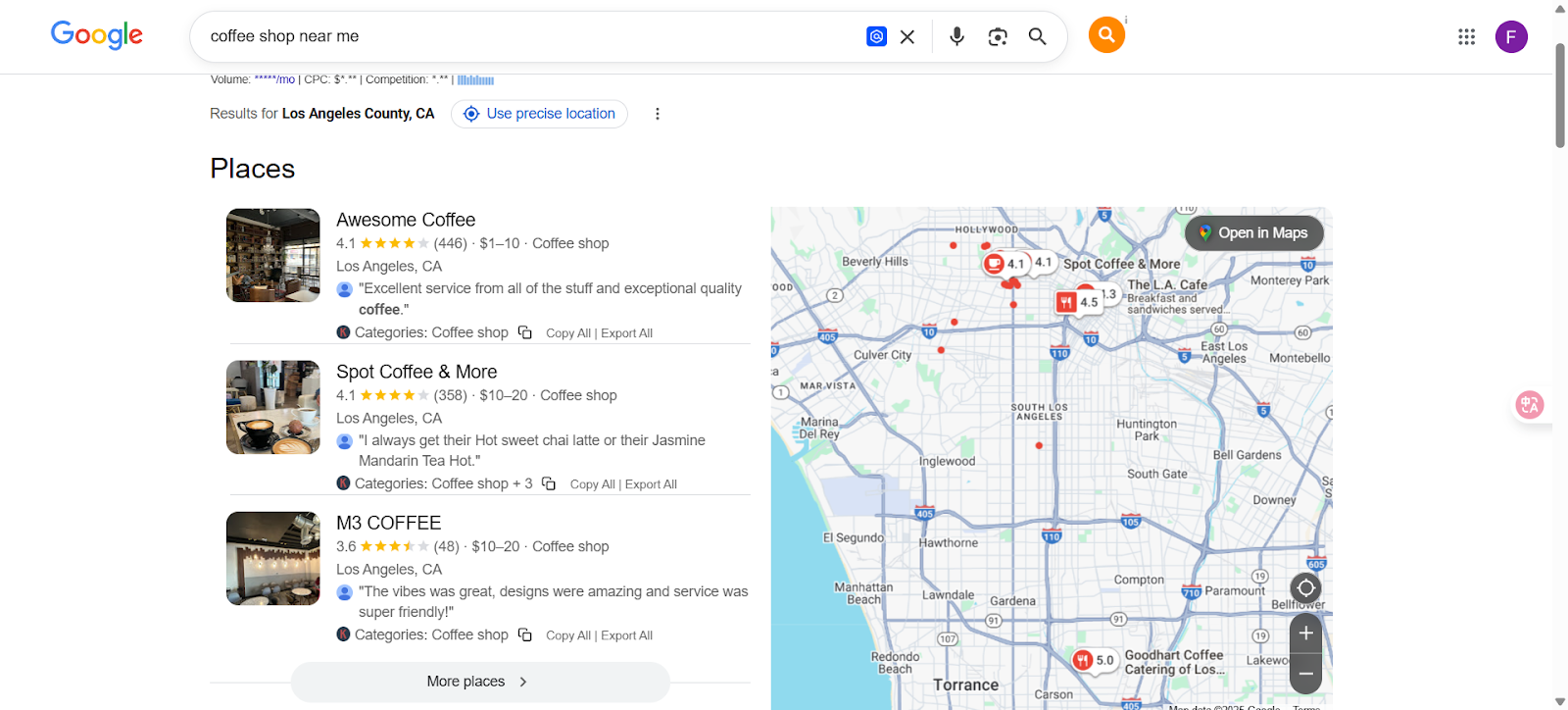
The first step in local SEO is not to publish a large volume of content. It is to learn which terms local customers actually use to find the business.
Local searches often follow three broad patterns:
One is service + city
, such as dentist in Boston
or plumber in LA
, a classic area-specific service query.
Another is service + near me
, such as coffee shop near me
. The customer omits the city, and the system uses available location context.
The third is brand + city
. The customer already knows the brand and wants to confirm the nearest location, phone number or opening hours.
Start by listing five to ten services most closely connected with revenue. Validate each one: is there observable local demand when it is paired with the city, and does the current result page contain maps or local results? This is more useful than beginning with a spreadsheet of hundreds of phrases.
The research tools do not need to be complicated. Begin with three methods:
- Search Google for the service and city, then review autocomplete, People also ask and related searches.
- Use Google Keyword Planner or platforms such as Semrush and Ahrefs to compare estimated demand. Treat estimates as directional evidence, not exact demand.
- Review relevant local competitors' websites and Business Profiles. Recurring service-page names, categories and descriptions can reveal useful vocabulary, although they do not prove query volume.
Create a simple keyword map from the start. Record the country or city, primary service, common variants such as best
, 24h
, open now
and near me
, and the page or profile field intended to serve each need. That map keeps later copy, page structures and profile entries coherent.
Two common questions are worth settling early:
- Do not repeat the city mechanically throughout a page. Use it naturally in the title, main copy and relevant contact information.
- There is usually no reason to insert
near me
into the page copy. Google can use the customer's position and the business's address or service area. It also considers how well the profile matches the query. Repeating the phrase does not create that match.
Step 2: Improve the Google Business Profile
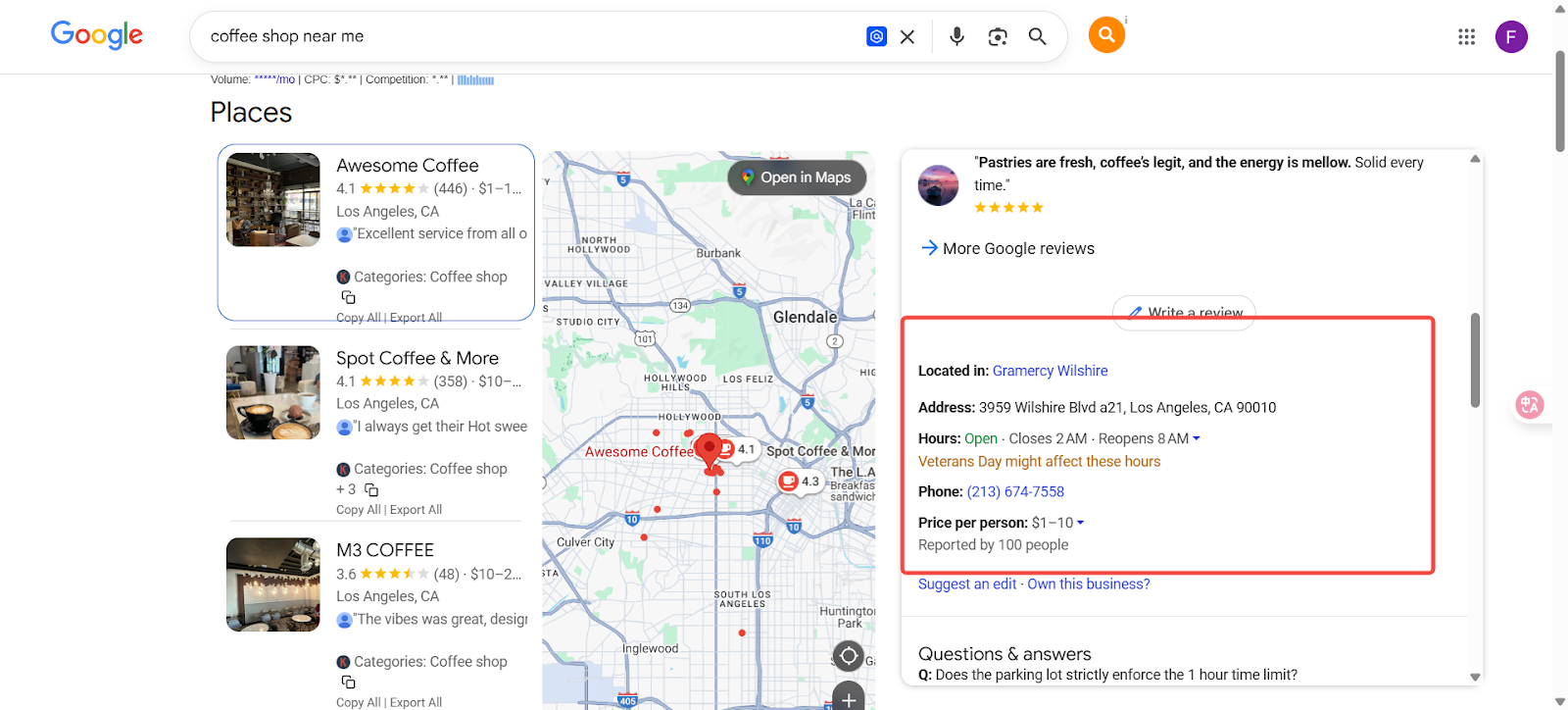
A Google Business Profile is a distinct discovery surface in local search and can be more important than the website for some journeys. Build and maintain the profile fully instead of adding only an address and phone number.
Four fundamentals deserve attention:
- Use a genuine and complete name, address and phone number. Make them match how the company presents itself in the real world and on its official website.
- Choose the primary category that best represents the core business and add only relevant secondary categories for services actually offered.
- Maintain ordinary and special opening hours.
- Where each location has its own page, point the corresponding profile to that location or city page instead of sending every profile to the home page.
Many brands struggle with how to write the profile name. The governing principle is straightforward:
Use the business's real-world name, as it appears consistently on the storefront, website, stationery and branding. Put service, city, hours and category details in their appropriate fields. Google's profile guidelines prohibit extra words in the name. A violation can lead to suspension. Multi-location brands should keep names consistent unless their real-world presentation genuinely differs.
Do not leave useful, applicable fields empty. Available fields may include photos, videos, products or services, posts and customer questions, depending on the profile and category.
At minimum, provide current exterior, interior, core product and team photos so customers can recognize a genuine operating business. Posts can share offers, events and opening-hour updates, subject to Google's content rules. Use Q&A features to answer practical questions about parking. Cover appointments and ways to pay where those details are useful.
Two practices are particularly risky:
- Creating locations from virtual addresses or unstaffed shared-office addresses.
- Using a third party to register profiles for branches or businesses that do not exist.
Any short-term exposure is outweighed by the risk of suspension and lost reviews. Google's current eligibility rules generally require in-person customer contact during stated hours. A genuine service-area business may use one profile for its real base, define its service area and hide a residential address; an unstaffed virtual office is not an eligible location.
Step 3: Make the Website Verifiably Local
Local SEO still comes back to the website. If a customer clicks from the results and the site does not appear to serve the city, confidence and conversion can suffer.
Place accurate NAP information in the appropriate locations: the footer, the contact page and, for a multi-location site, each city or store page. The footer can show a consistent compact version. A contact page can include the full address, phone, email, hours, map and useful access information. On multilingual sites, keep address and international phone formats consistent rather than publishing contradictory details in each language.
Single-location and multi-location sites require different structures:
- A business with one main location may need only a home page, a set of service pages, a contact page and a small amount of useful local content.
- A business in several cities benefits from a clear site hierarchy. A /locations/ directory can lead to city pages and individual branch pages. Customers can find the nearest option, and every branch has an explicit web destination.
Localization is not the mechanical insertion of a city name. A page should demonstrate that the business actually serves the area. Mention the service and city naturally in the title, H1 and description. Explain genuine coverage through neighborhoods, commercial districts, transit stops, industrial areas, schools or other relevant local context. Specific, accurate coverage is more useful than a vague claim to serve an entire city.
Avoid cloning one template into many city pages and changing only the place name. Such pages add little value for customers and can create a low-quality, repetitive site.
Two technical additions can support the page:
- Add the most specific applicable LocalBusiness structured data to a location or contact page, matching visible details such as the name, address, phone and hours. Structured data helps describe the entity; it does not guarantee a rich result or local ranking.
- Embed an accurate map on the location page when it genuinely helps visitors reach the premises.
The key issue with repeated content is whether each page provides real differences. Unique local information, cases, access directions and service areas can make similar page patterns useful. A template that changes only the city name cannot make the same claim.
Whether to add another language depends on the local customer base. If most customers use English, the English version must be clear. If many customers share another language, maintain a version they can use. It can make the site more helpful and trustworthy.
Step 4: Distribute Consistent NAP and Citations
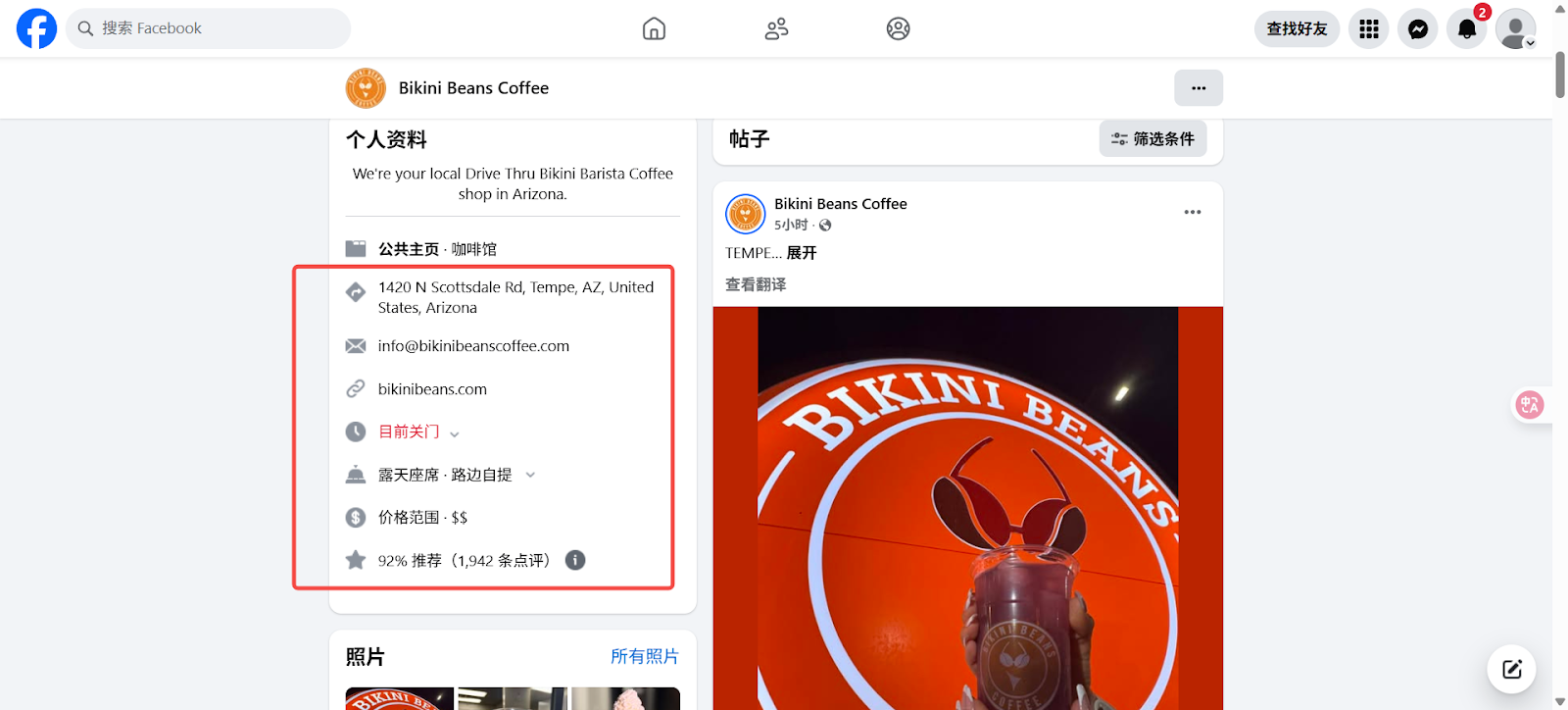
After the website and Business Profile are in place, publish the same accurate name, address and phone on credible platforms. Customers use those sources to verify the business.
A citation is essentially the business's card on another platform: a combination of its name, address and phone number. Consistent details prevent customers from seeing conflicting addresses or numbers. They also help search services reconcile several sources. Google does not publish a formula in which a fixed number of matching citations produces a particular ranking.
An international business will commonly consider several kinds of platform:
- Widely used services such as Google, Apple Maps, Bing Places, Facebook and Yelp, where relevant to the market.
- Country-specific directories such as local yellow pages, business directories and chambers of commerce.
- Industry directories for fields such as healthcare, law, food and hospitality, subject to applicable professional rules.
These listings may not send a large volume of traffic directly. Their practical value depends on whether customers and platforms in the market actually use and trust them; no directory placement guarantees a ranking benefit.
Create a master NAP record from the beginning and use it to govern:
- The registered company name and public trading name
- The standard address format
- The standard phone format, including the country code
- The primary website URL and contact email
Use this record whenever adding a platform. If the company moves or changes its phone number, update the master first and then work through the listed platforms. This avoids leaving half of the ecosystem with obsolete information.
Correct historical errors where the listing is important and can be edited, but prioritize sensibly. Keep the official website, Google Business Profile and the principal market platforms current and consistent. An obscure, inaccessible directory entry is rarely worth unlimited effort.
Step 5: Use Reviews to Support Visibility and Customer Choice
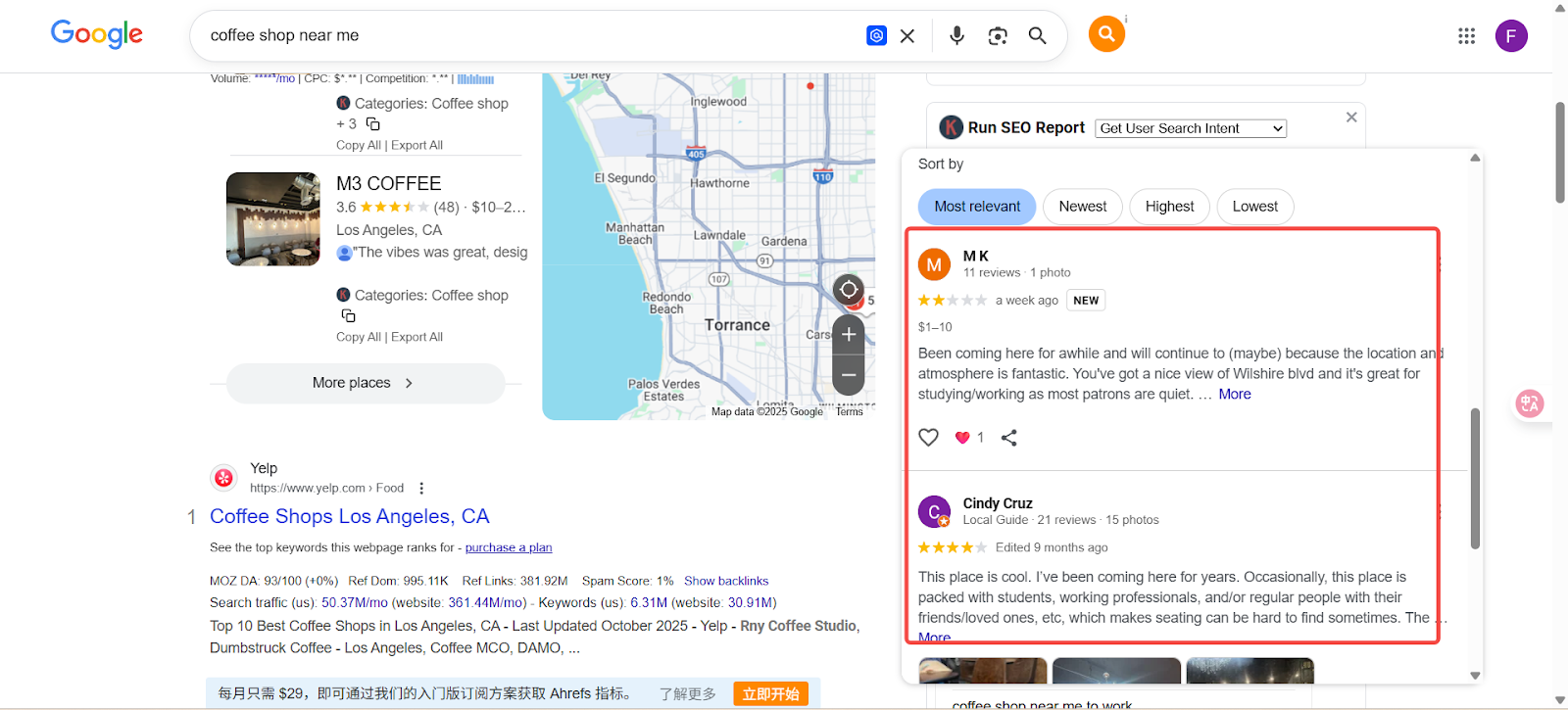
Reviews deserve their own workstream in local search. They shape how customers assess the business. Google also says that more genuine reviews and positive ratings can help the company appear more prominently in local results.
For customers, detailed first-hand reviews and a credible overall rating can increase confidence in a click or visit. The number and tone of genuine reviews may also help a business look more prominent. Do not ask reviewers to insert service keywords or city names: review text must reflect the customer's genuine experience rather than an SEO script.
Natural review growth can be slow, so design a simple request process. Choose appropriate moments after the service, at the end of a visit or one to three days after a completed order. Invite feedback through ordinary touchpoints such as email, SMS, WhatsApp, a receipt, a physical card or an in-store QR code. Google's current tool lets a verified business share a review link or QR code. Keep the process short and ask for an honest review.
Use the language your customers are most comfortable with. If most local customers use English, the request can lead in English. A business serving a substantial language community can also invite customers to write naturally in that language.
Reply briefly and specifically to positive reviews rather than sounding automated. For a negative review, acknowledge what the customer experienced. Offer a practical explanation or remedy where appropriate, and move sensitive details to the phone or a private channel. Do not argue publicly. A genuine mix of feedback can be more credible than an implausibly perfect profile.
Google's policy is stricter than do not reward only positive reviews
. Do not offer free or discounted goods, services or any other benefit in exchange for posting, changing or removing a review. Incentivized reviews are prohibited even when the request does not explicitly demand a high rating.
Step 6: Earn Local Links and Coverage
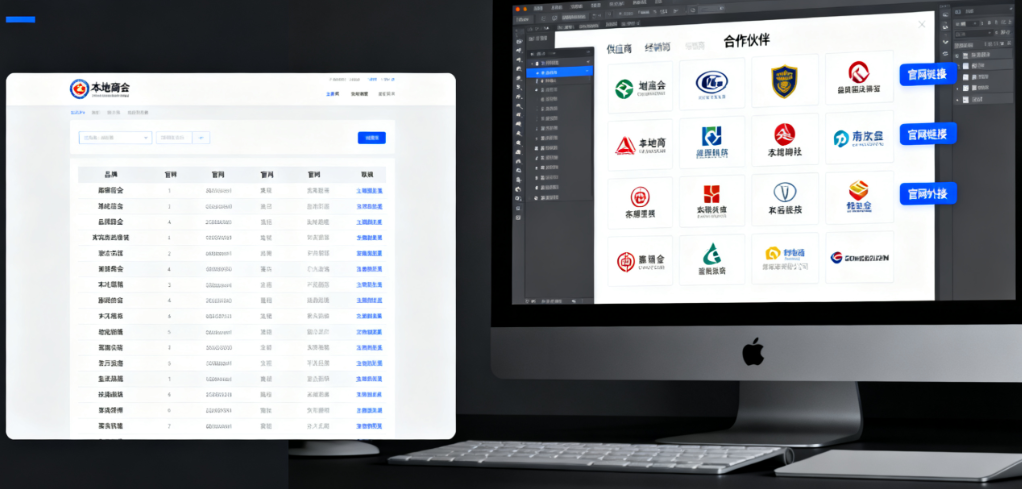
A local link is a natural mention and link within the market's online community. This is a different objective from buying large batches of blog links.
A credible source that relates to the market and the company is usually the most defensible place for a link. A genuine chamber-of-commerce or local partner page may be more useful to customers and discovery than dozens of unrelated low-quality blogs. There is no public fixed weighting that makes one local link equal to a stated number of other links.
An international brand can start with several realistic routes:
- Existing suppliers, distributors and channel partners may maintain genuine partner or customer-story pages that identify and link the organizations involved.
- Local chambers of commerce and industry associations often publish member directories with website links.
- Joining or sponsoring a local event, school or charity may earn a mention on the organizer's website. Keep that acknowledgement accurate. Disclose the commercial relationship and qualify paid links where required.
- Local media may cite a business that provides useful industry data, a documented case or informed commentary.
Buying a collection of low-quality, unrelated domains may provide little customer value and can create policy risk when links are intended to manipulate rankings. Start with a few relationships you can defend. Work with real local organizations. Follow Google's link-spam rules for paid or sponsored links.
Step 7: Measure Local SEO Outcomes
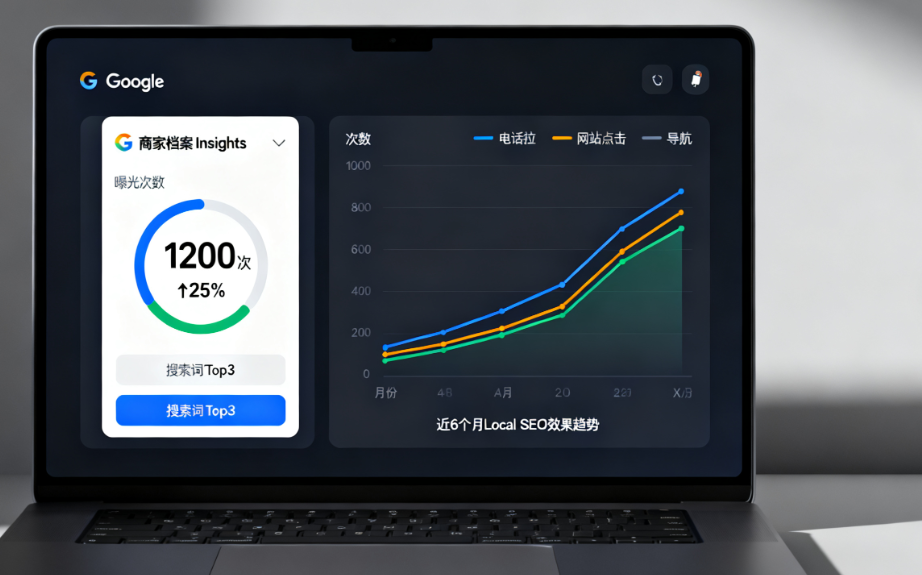
The final step is to make local SEO results visible and explainable. That helps the team decide whether the plan is working and gives stakeholders a clear account of what changed.
Use three main groups of evidence:
- Google Business Profile Performance: review applicable views, search terms and interactions such as direction requests, call-button clicks and website clicks. Google notes that not every metric appears for every profile. Preserve the reporting period and explain exactly what each reported number counts.
- Google Search Console: examine impressions and clicks for relevant local queries and the pages receiving them, within Search Console's own coverage and privacy limits.
- Analytics and business records: compare local-page visits and behavior with phone records, customer-service records, point-of-sale data or CRM enquiries and orders.
A simple reporting structure keeps the story clear:
- Visibility: are priority city queries and profile views moving in the intended direction?
- Customer interactions: have profile call clicks, direction requests, website clicks and visits to local pages changed from the dated baseline?
- Business outcomes: do qualified local enquiries, estimated store visits and orders move in the same period, with attribution limits stated?
This is more informative than reporting only that traffic increased
or rankings improved
.
The optimization loop can remain practical. If visibility grows but call clicks do not, review the profile's photos, description, ratings and categories as diagnostic hypotheses. If profile visitors reach the website but few enquire, inspect the local page, offer and form. If genuine review volume is low, improve the compliant request process. Change one or two elements at a time and observe the next reporting period instead of claiming that one edit caused the result.
There is no universal period after which local SEO must work. From a new baseline, several months of steadily rising qualified interactions can show that the program is moving in the intended direction. If meaningful data remains flat for a prolonged period, revisit the chosen queries, site structure, market fit and execution rather than extending the same activity indefinitely.
Final Note: Connect Search Visibility to the Business
Local SEO has a simple purpose: make it easier for appropriate local customers to find, trust and contact the business. It does not have to appear sophisticated. Complete the necessary foundations and gradually accumulate accurate assets that remain useful.
If time or staffing is limited, or if existing work has produced unstable results, GlobalBrandsDigital can organize the system across sitewide SEO, technical SEO, SEO content, link building and semantic architecture. The aim is to connect organic search with the wider company. Local work should not operate as an isolated activity.
Share the website, target country or city and current customer-acquisition model with an SEO consultant. We can begin with a concise diagnosis and suggested next step, then determine together whether deeper work is appropriate.
We continue to publish practical Google SEO guidance spanning keywords, content, technical work and localization. Readers can follow the upcoming SEO tutorials or ask a consultant to suggest a few articles suited to their current stage. The tutorial hub named in the source has no published English version, so it remains plain text here rather than linking to an unavailable page.