On this pageTable of contents+
- Project Background
- If Google Cannot Access the Site, Content and Links Will Not Help
- First: Crawl Efficiency
- Second: A Common Shopify URL-Structure Problem
- Third: Parameterised Links in the Navigation
- Can More Content Make Rankings Worse? Cannibalisation and Internal Competition
- Rankings Without Clicks: Improving Titles and Descriptions
- Internal and External Links: Supporting Commercial Goals
- Which Pages Should Receive Link Equity?
- The Timing of Link Building Matters More Than Volume
- Manage Keywords as a System, Not by Instinct
- From One Case to a Wider Industry Lesson

Hello, I am John.
When I speak with DTC brand leaders, I often hear the same concern: the website looks fine and the team keeps publishing, yet organic search never seems to gain traction. The site has impressions and rankings, but the pages that drive sales do not rank, and many keywords remain on Google's second page.
A project we recently completed may offer a useful way to approach this problem.
The client was a pet-products ecommerce site with a very clear request:
"John, we do not want the blog to rank. Help us rank our collections and products."
Over four months, we restructured the site's search architecture without sacrificing the blog's visibility.
The average position of collection pages improved from 24.5 to 13.9, and organic clicks rose from 1.5K to 2.8K. Product pages also moved from positions below 20 to within reach of page one.
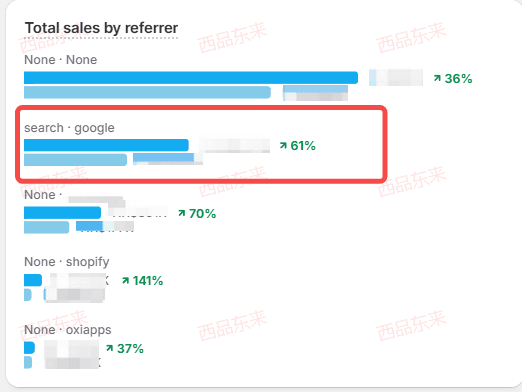
Shopify revenue comparison: June–September versus September–December
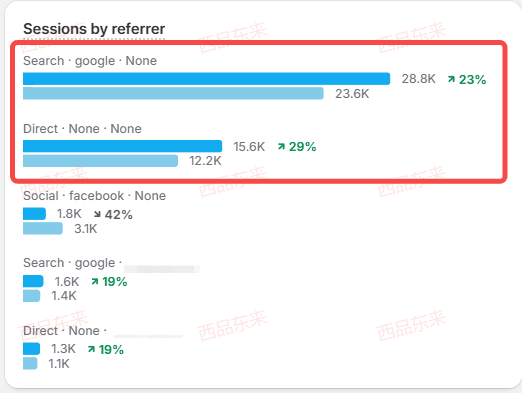
Shopify traffic-source comparison: June–September versus September–December
Looking back, the result did not come from a single tactic. During the project, we gradually identified and resolved two underlying problems that had limited performance for a long time: numerous technical errors prevented search engines from working normally, and a confused information architecture caused optimisation efforts to compete with one another.
This article follows the project's actual sequence. It explains how we found the problems, changed direction and moved traffic from blog posts back to commercial pages. If you have rankings without conversions or traffic landing on the wrong pages, I hope the review gives you a useful point of reference.
Project Background
Competition has always been intense in DTC pet products. Most competitors sell similar products and use similar marketing tactics. In that environment, brands that can acquire lower-cost organic traffic have a better chance of enduring.
When we began working with the brand, its main question was why rankings remained outside the top 10, especially for collection and product pages.
The usual response would be to publish more content or build more links. We did neither at first. Before any optimisation work, we conduct an in-depth diagnosis.
When I shared the findings, I told the client:
"Look at this crawl-success figure. It is below 50%. Search engines frequently hit barriers when they visit the site. Until we solve this problem, Google may not even see much of the content you create."
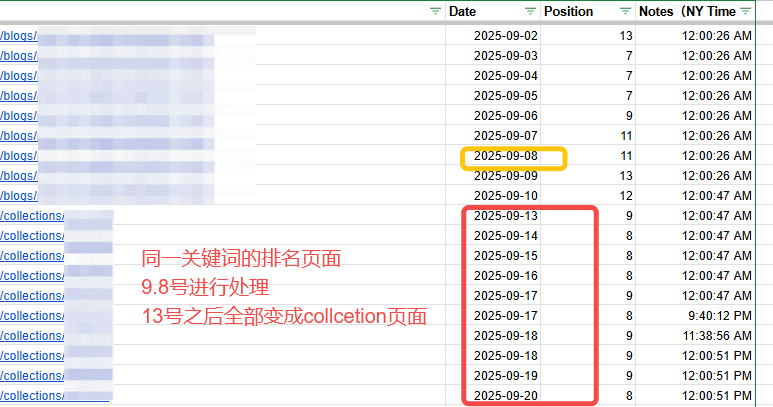
"Now look at this query. A blog post ranks on page two, but the related collection page sits beyond page three. The traffic arrives at the site but not at the page where it belongs. That is internal competition."
"And these navigation links generate many duplicate or low-value URLs, which interfere with ranking signals."
The client understood the diagnosis. For almost the first two months, we did little work that could be called growth. We focused on these internal foundations because any later investment would have been much less effective if the problems remained.
We have seen similar findings in many ecommerce projects, although teams rarely get the opportunity to review the foundations systematically.
If Google Cannot Access the Site, Content and Links Will Not Help
Our first task was not to write articles or devise new tactics. It was to inspect the entire site and document every problem. We ran two cross-checking audits with Google Search Console and Screaming Frog and produced a repair list containing more than 60 items.
The team initially found the list daunting. I reminded them that if we did not clear these basic issues, every dollar spent later on content and links could be wasted.
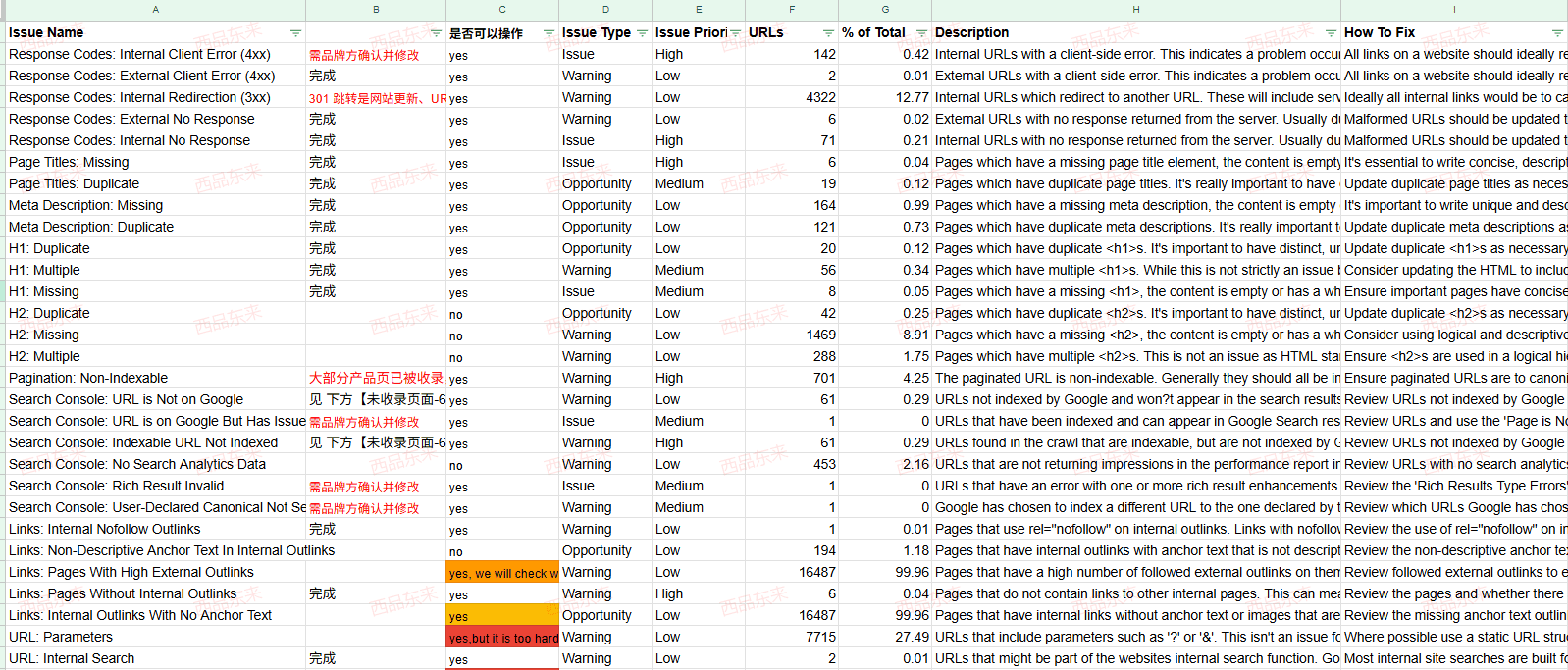
Our repair checklist
Three problems were especially memorable.
First: Crawl Efficiency
In Google Search Console's crawl statistics, only about half of the responses were marked successful. In practical terms, Google either had not found much of the site's content or could not process it effectively because of technical barriers. Under those conditions, a search engine struggles to form a stable, coherent understanding of the site, which makes strong rankings less likely.
We therefore prioritised every item that affected crawling, including:
- Code errors that slowed page loading;
- Numerous redirect chains;
- Directories blocked incorrectly in robots.txt;
- Inconsistent canonical tags.
We checked, repaired and resubmitted each issue. The work took time, but the share of successful crawl responses eventually stabilised at 83%.
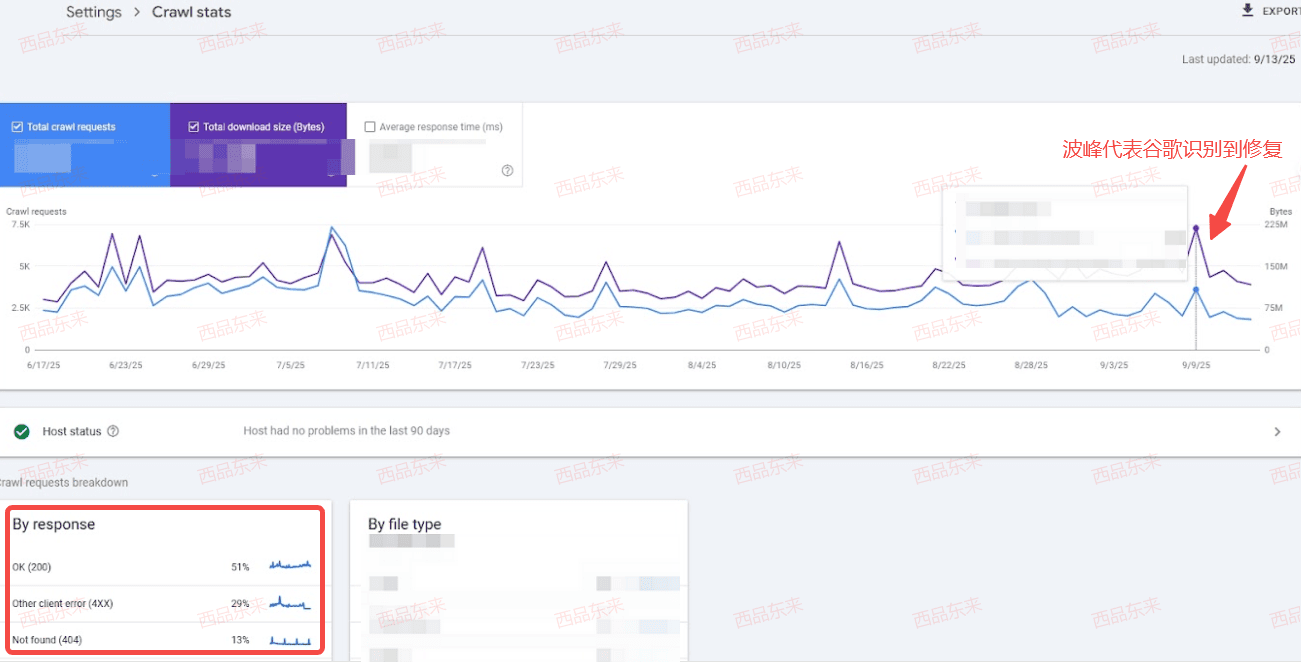
Before the repairs
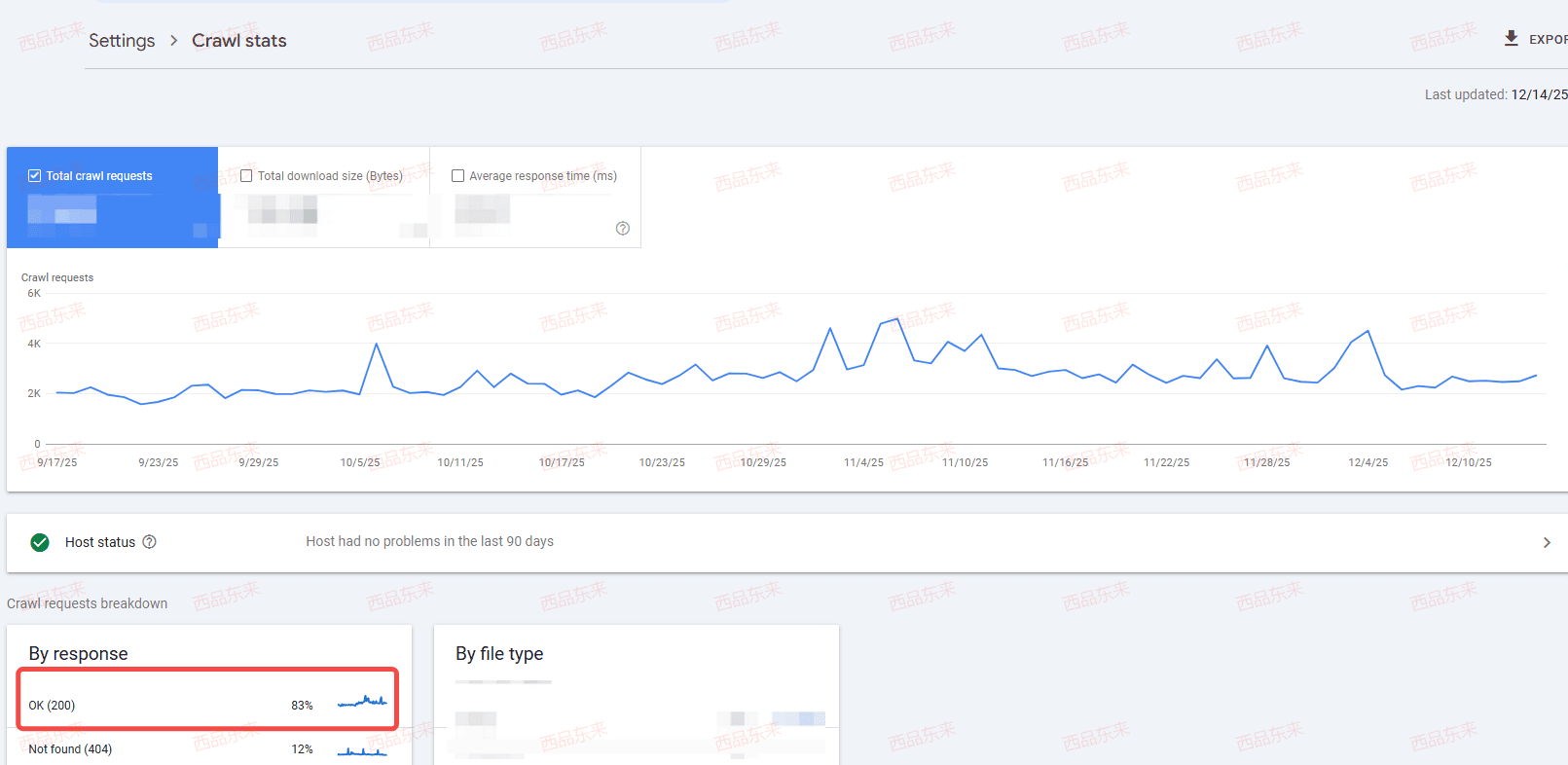
After the repairs
Second: A Common Shopify URL-Structure Problem
Shopify collection pages can generate product links with a collection/product path. This duplicate route can confuse canonical consolidation when it is not handled consistently, because search engines encounter more than one path to the same product.
We gave Google a clear signal about which product URLs should rank. We adjusted how the alternate paths were handled so that indexing and link signals would consolidate on the canonical product URLs.
After the change, the URL hierarchy was clearer and the site consistently signalled which product URLs were canonical.
We previously covered the approach in a separate Chinese article about cases where Google ranks blog posts rather than product or collection pages. Its English version is not yet published.
Third: Parameterised Links in the Navigation
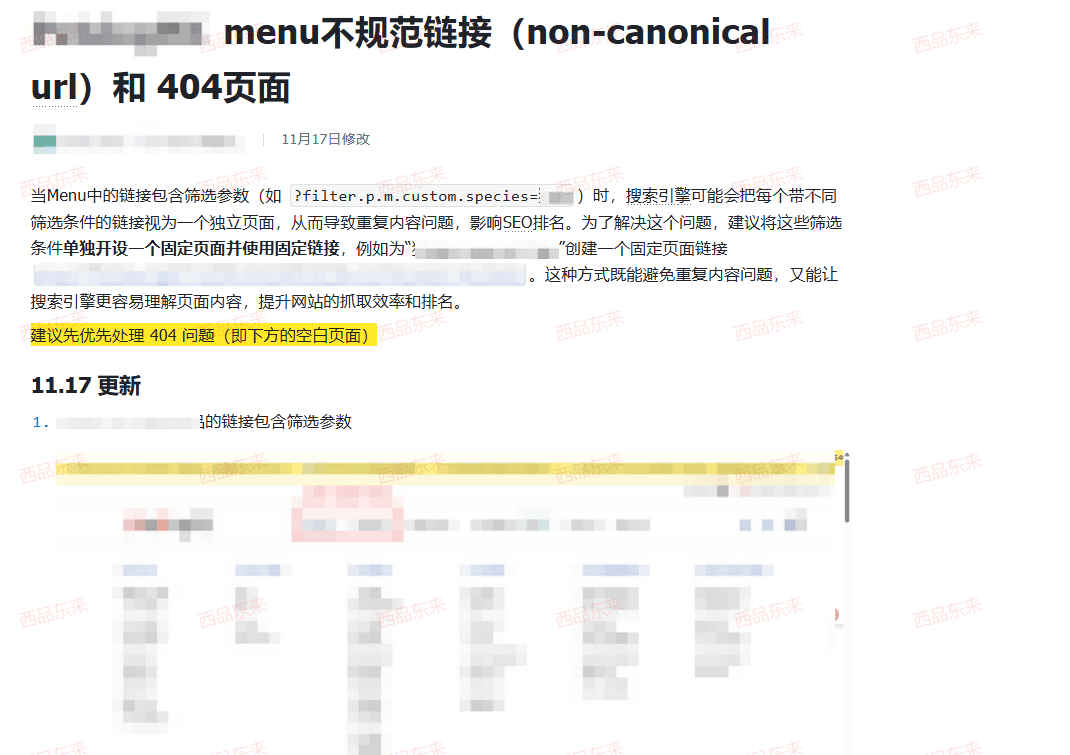
The main navigation contained many filtered links with parameters. They were useful controls for visitors, but search engines could use them to generate many near-duplicate URL variants. That consumed crawl resources and diluted attention from canonical collection pages.
We documented the issue in detail for the client. Filters remained important to the user experience, but they did not need to occupy the primary navigation path. We recommended replacing dynamic navigation links with static links to canonical categories and retaining filters as controls after a visitor enters the page.
These three changes moved the site from a state that search engines struggled to access and interpret to a clearer, healthier structure that could support later growth.
Can More Content Make Rankings Worse? Cannibalisation and Internal Competition
Once most technical issues were resolved, we addressed another material problem: the site was consuming its own search equity.
The data showed that users searching for a product often landed on an explanatory blog post instead of a collection page. People ready to shop first encountered an educational article, and many left before reaching a product.
Some team members argued that any ranking was better than none. I disagreed. We were not building a media site; we were helping the client sell products. We stress this distinction often, but applying it is harder than it sounds.
Our strategy was direct: reduce internal competition and direct SEO value towards pages where commercial intent could be served.
We redesigned content pathways and adjusted pages that did not match the intended conversion journey, so prospective customers could reach pages where they could place an order more directly.
Within about a month, the main collection pages began to show clear ranking and traffic changes. The outcome illustrated how differently the same resources can perform when they support the right page.
Rankings Without Clicks: Improving Titles and Descriptions
As rankings returned to a more appropriate range, we noticed that impressions were healthy but click-through rates remained low. People could see the pages in Google but did not click often enough.
Further analysis pointed to page titles and descriptions.
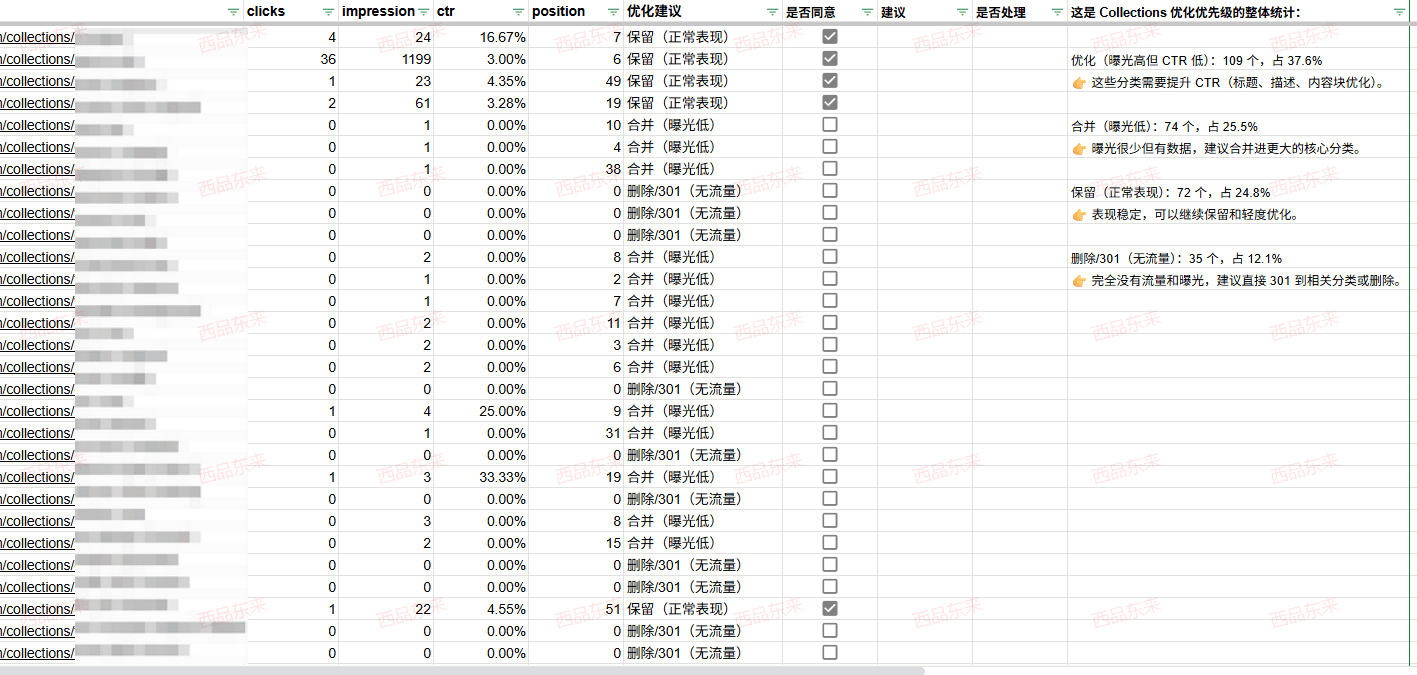
We did not spend time debating which headline sounded best. Instead, I asked the team to export a full year of Google Search Console data. The dataset included clicks, impressions, average position and changes across time periods. We run this analysis for most clients so the team does not decide on intuition alone.
Using the results, we defined a more suitable presentation focus for each page type and recorded the plan in an execution sheet. The sheet contained the core figures for every page, together with the proposed change and the evidence behind it.
We then reviewed the full sheet with the client, agreed which pages should be changed first and documented the rationale. Only after the client agreed did we change the pages in the planned order.
This process made every action transparent to the client and allowed us to work efficiently from an agreed plan.
Internal and External Links: Supporting Commercial Goals
Which Pages Should Receive Link Equity?
The earlier analysis showed which collections carried the main commercial role and which blog posts existed to support them.
We did not distribute internal links evenly. The goal was to use pages with proven traffic and relevance to lead visitors towards the most important commercial pages.
We reviewed high-traffic blog posts and changed where their links led so that they supported key collections rather than sending readers around a loop of articles.
We also reviewed the core commercial pages and found external links that did not help visitors complete their task. Those links could distract attention from the page's purpose.
We assessed each outbound link and removed unnecessary exits so visitors on conversion pages were less likely to be led away.
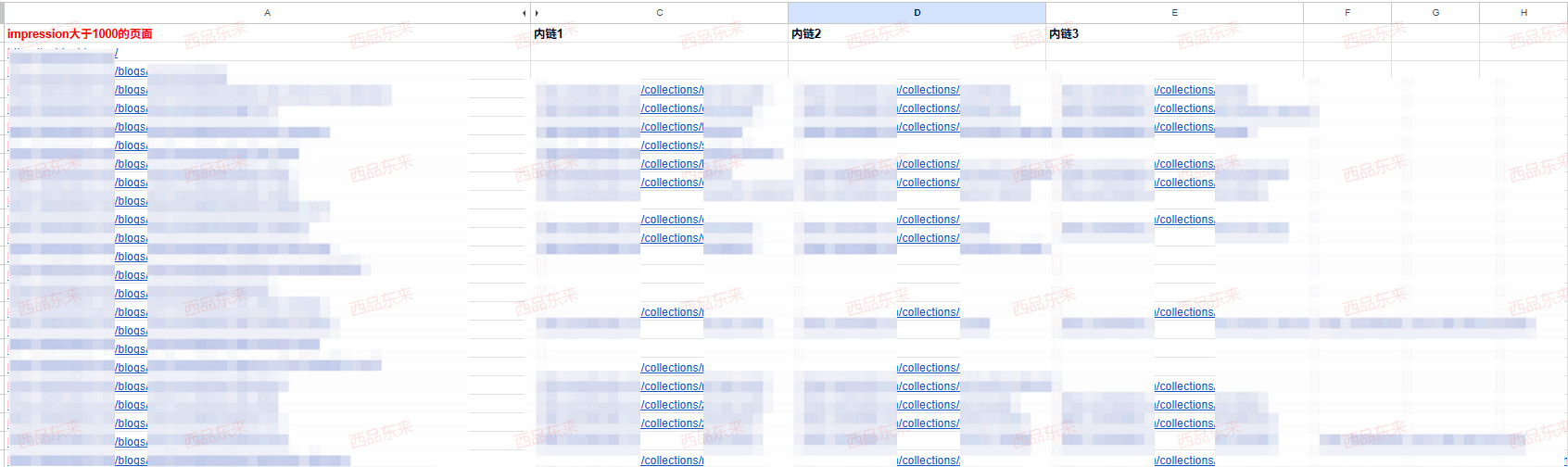
Adding internal links
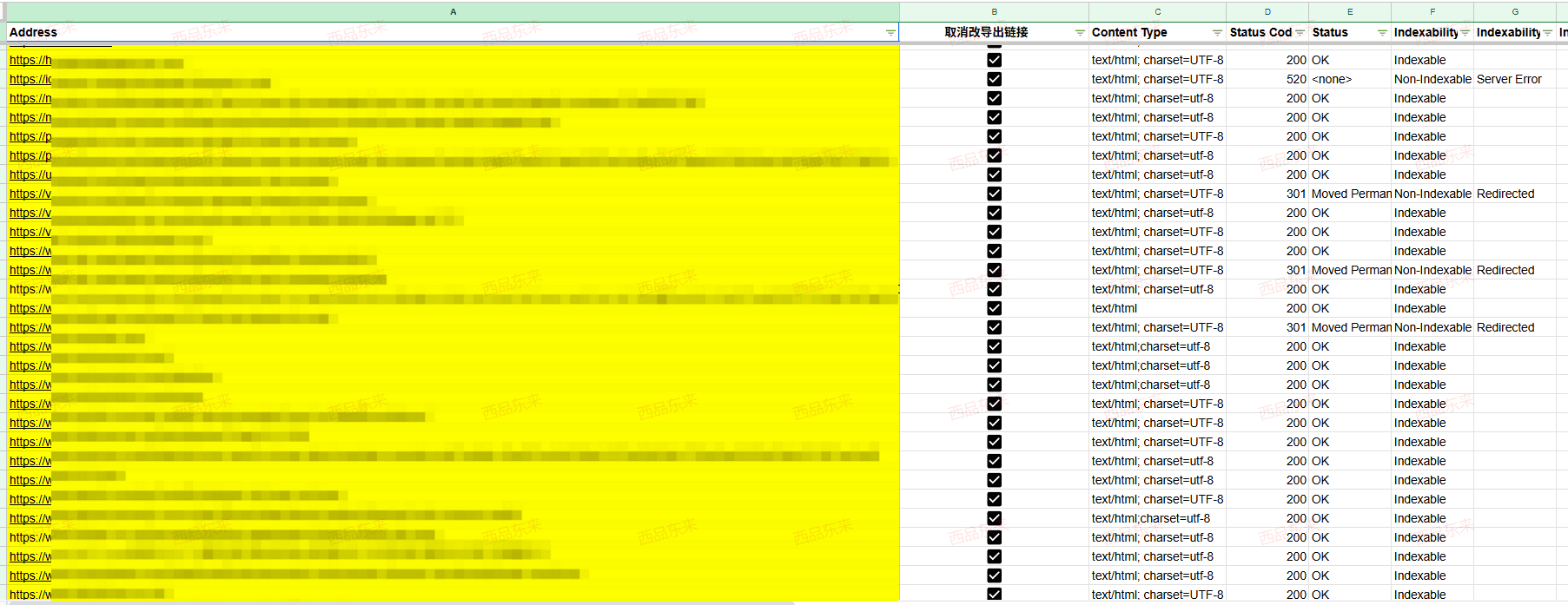
Removing unnecessary outbound links
The Timing of Link Building Matters More Than Volume
At this stage, we still did not rush to increase the number of backlinks.
The reason was simple: if the internal hierarchy remained unclear, external links could reinforce the wrong URLs.
We began with a comparison of the site's backlink profile and those of its main competitors, reviewing source types, topical relevance and destination pages.
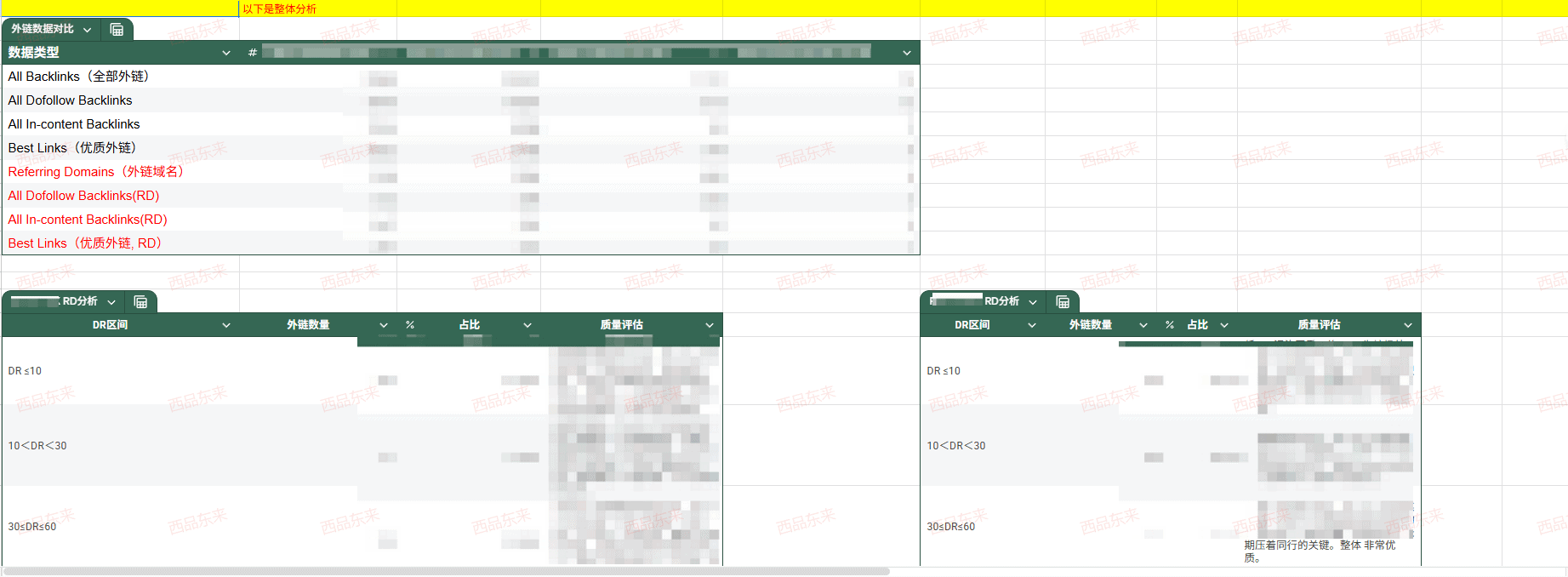
The purpose was not to act immediately. It was to determine which links were worth pursuing.
Early in the project, we focused on releasing value from the site's existing structure and pages instead of inflating headline backlink figures. Once the internal architecture stabilised, link acquisition could support the core goals more precisely.
Manage Keywords as a System, Not by Instinct
For important queries, watching whether a ranking rises is not enough for a long-term decision. If the original direction is wrong, the cost of correcting it later grows substantially.
We therefore followed one rule for core keywords: use data, and remain accountable for every change.
We built a tracking system that connected ranking changes with the work we performed. When a query fell, we did not immediately blame an algorithm update; we first reviewed what we had changed.
We also revisited a more fundamental question: which page should rank for each query? We mapped every core query to a clear target page to reduce internal competition.
Before any major change to a page or keyword strategy, we used a limited A/B test rather than putting the entire site at risk.
We applied the same principle to seasonal campaigns. Instead of waiting until Black Friday approached, we prepared the relevant content months in advance so it could establish visibility before demand peaked.
This made each step more deliberate. We value stable, well-founded decisions more than rapid execution. Not every team enjoys that pace, but once established, it reduces the cost of later decisions.
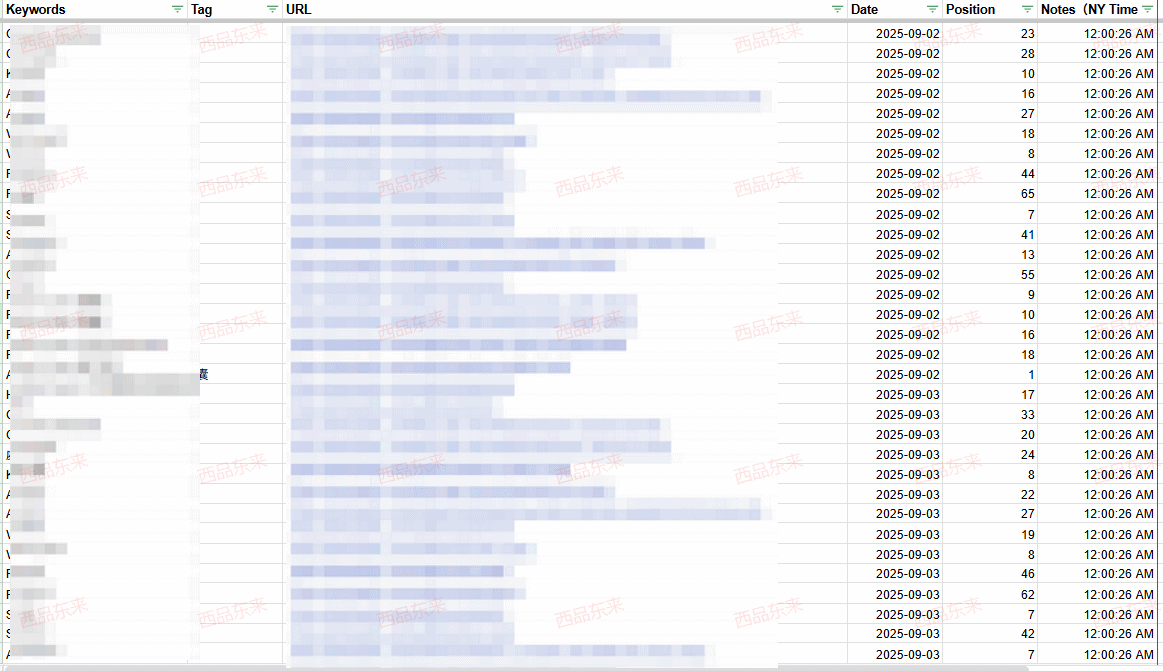
Our in-house keyword-tracking sheet
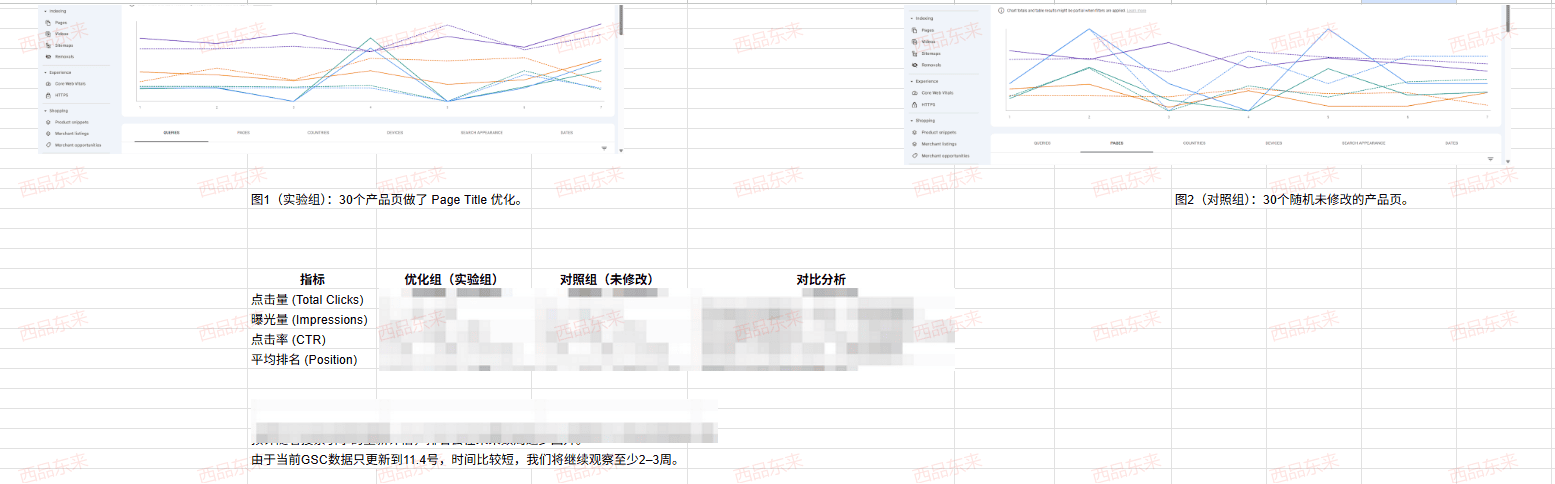
A/B test tracking data
From One Case to a Wider Industry Lesson
The most important lesson from this project is not a particular tactic. It is the industry's growing anxiety about traffic.
When growth stalls, most brands look outward first. They ask whether they need more content, stronger backlinks or a tactic a competitor has found. Few stop to ask whether the website itself can support further growth.
That was the central lesson here. The client was not doing too little; its structure was consuming the value of its work. Crawling was obstructed, pages had confused roles and signals were dispersed. Adding content or links in that state would only make spending less efficient.
This reflects a wider dependency on the familiar idea that content is king and links are queen. Teams often treat SEO as an endless accumulation exercise: rankings fall, so they publish; traffic stalls, so they add links. That may offer short-term relief, but it rarely compounds when the structure remains unresolved.
The change in this project did not come from one aggressive intervention. We spent considerable time resolving hidden foundations. Once the technical errors and internal competition were addressed, search engines could crawl consistently, page roles became clearer and signals began to consolidate around the core pages.
At that point, a deeper question emerged:
How far could the site go if it continued to push individual keywords in the old way?
The subsequent results provided a relatively clear answer. As the structure improved, many queries rose steadily without additional pressure, but keywords that required repeated forcing became harder to move. Competition had not suddenly changed; the way search engines understood the site had changed.
We concluded that SEO was shifting from a keyword-matching problem towards one of structure and semantic understanding. That is why, over the last few years, we have often spent more time explaining direction to clients than discussing individual tasks.
Search engines increasingly consider more than the words on one page. They also need to understand:
- What role the site plays within a topic or product category;
- Which pages are core assets and which are supporting explanations;
- Whether those pages form a coherent whole.
Once this semantic structure takes shape, content and links serve a different purpose. They no longer act as isolated growth levers; they reinforce an understanding that the site has already made clear. That is when technical and structural health becomes especially valuable.
A technically healthy site with a clear architecture and coherent semantics is a competitive advantage. It allows investment in content and links to compound instead of being cancelled out by internal friction. Once established, this structural advantage is difficult to copy quickly.
Building that advantage depends less on output than on judgement: knowing which problems must be fixed first, which actions can wait, which pages deserve reinforcement and which merely create noise. This is why relatively few teams turn SEO into a durable asset.
If you are considering further SEO investment, or have invested for some time without stable returns, clarifying the direction and the constraint is often more valuable than simply spending more.
If you want us to assess your site and decide whether further SEO spending makes sense, contact our SEO consulting team. We can review your goals and current position and provide a clear direction.