On this pageTable of contents+

I recently read a line that stayed with me: accessibility is not about pleasing Google; it is about helping Google understand you.
The idea is simple, but it points to an important truth. At a certain stage, SEO is no longer a contest over who publishes the most content or builds the most links. It becomes a question of whose site is easiest to understand.
In recent years, SEO work has increasingly resembled building a traffic funnel. Teams pile up content to bring in more visits, yet often ignore the lower half of the funnel: whether people can move smoothly toward the moment of conversion.
Accessibility is one of the most overlooked variables in that lower half, even though its potential return can be substantial.
Accessibility and SEO Address the Same Underlying Problem
The cost of understanding.
Googlebot and screen readers do not see a page in the same way as a visual designer scanning an image and absorbing its atmosphere.
They rely on HTML structure, semantic labels and navigation paths, reading the page's code in sequence to understand it.
When a site has a confused structure and misused labels, Google may struggle to understand the message. Users are equally unlikely to spend extra time searching for the point.
POUR stands for Perceivable, Operable, Understandable and Robust. These four accessibility principles are more than a compliance checklist; they also highlight useful technical practices for SEO:
- Alternative text and captions can make content easier for search systems to interpret and help more users engage with it.
- Keyboard-friendly navigation gives people a usable route through the interface and encourages a clear, crawlable navigation structure.
- A clear heading hierarchy helps both users and search systems recognize the page's structure.
- Robust HTML supports compatibility across devices and can reduce technical problems that also affect page experience.
Accessibility can sound like a purely ethical concern. In practice, it can also help search systems interpret a site and reduce friction in the user's path to conversion.
The Return From Accessibility Work Can Appear Quickly
The source describes a recent accessibility remediation project with a large insurance group.
According to that account, organic traffic rose by 25 percent within 24 hours of launch, and requests for product quotations doubled within three months.
The source further reports that the accessibility project achieved a 100 percent return on investment within a year.
The article presents this as part of a wider pattern, although these project outcomes are historical claims and should not be treated as a guarantee for another site.
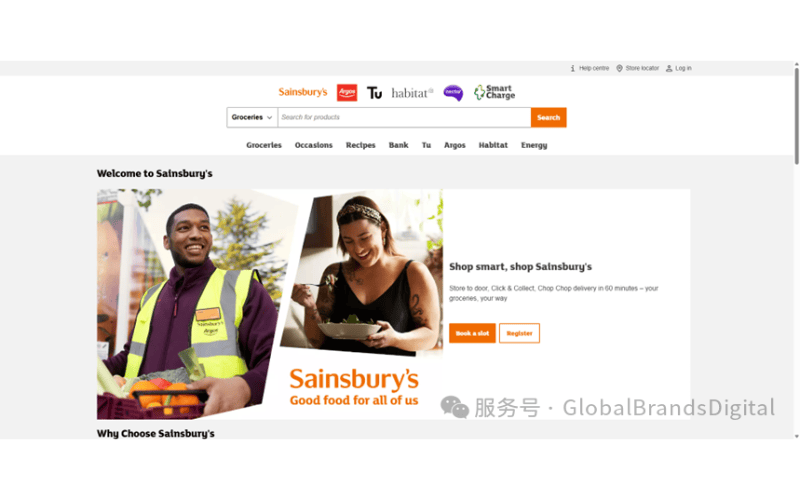
The source reports that Sainsbury's ecommerce redesign, aligned with WCAG 2.2, generated an additional £100,000 per week.
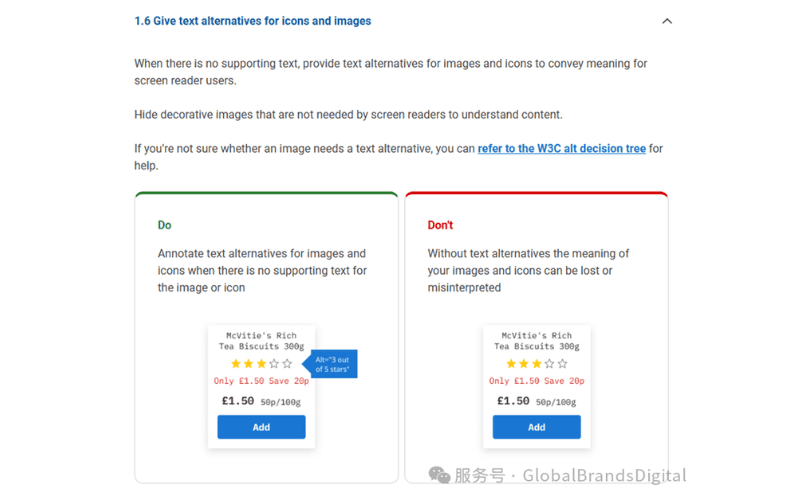
The source recommends Sainsbury's accessibility standards page as a clear reference: https://design-systems.sainsburys.co.uk/accessibility/
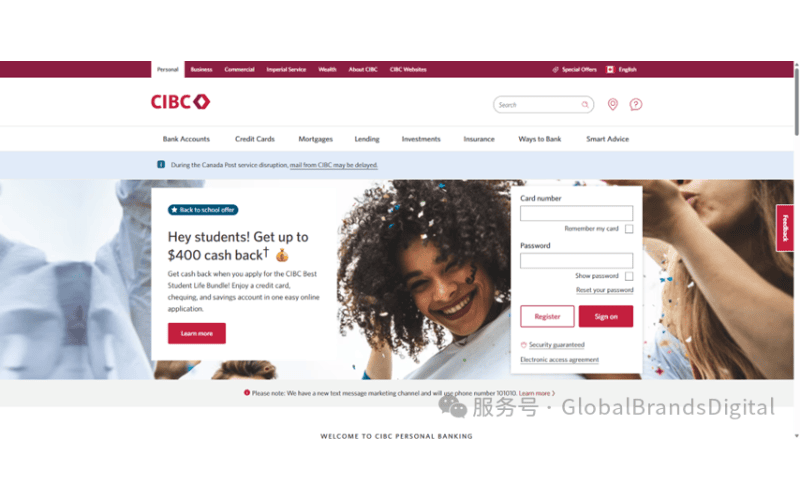
The article also reports that CIBC's mobile remediation improved engagement, especially among older customers and people with temporary disabilities.
These examples point to a fact that many SEO practitioners overlook:
Accessibility work is not necessarily an extra layer of cost. It can reduce structural friction and make existing work more effective.
You do not have to publish another article or build another link to obtain that benefit. Improving structure and interaction can make a page easier for both search systems and users to understand and trust.
Accessibility Improvements Are Often Technically Straightforward
We organize SEO accessibility work into a practical checklist with a strong potential cost-benefit ratio:
- Heading structure: use H1 through H3 in a logical order so the page outline remains easy to follow.
- Alternative text: describe each image's function and meaning instead of using an unhelpful filename.
- Anchor text: replace vague labels such as 'click here' with wording that describes the destination.
- Forms and navigation: use <label> and aria-describedby so people and assistive technology can identify the right control and supporting instructions.
- Modals and dropdown menus: make them operable by keyboard and manage focus correctly so users do not become trapped.
These changes are not inherently complex. Their value lies in improving two core growth levers: how reliably systems interpret the page and how smoothly people move through it.
Accessibility Creates Value Beyond an SEO Score
Another long-term return is often overlooked: lower technical debt.
The earlier accessibility is incorporated into the technical architecture, the less likely a team is to repeat work later for SEO, usability and mobile adaptation.
There is also a longer-term consideration.
As AI search and voice assistants become more common entry points, structured and semantic content is easier for automated systems to interpret accurately.
Strong accessibility helps Google understand the page and can also make the information easier for systems such as ChatGPT and Siri to parse and restate. It does not guarantee citation or recommendation.
Final Thoughts
Accessibility is not merely an act of conscience for an SEO team. It is a system-level capability that can help the team contribute more directly to business growth.
If you are still concentrating only on publishing more content and acquiring more links, step back and ask whether the site is genuinely usable and understandable for both people and search systems.
SEO is not only about generating traffic. It is also about reducing the effort people need to understand and use a site.
Accessibility improvements are one practical way to reduce that friction, often with a favorable cost-benefit profile.
This article is not intended as a definition of accessibility. Its purpose is to show why commercially minded SEO work should not ignore it.