GlobalBrandsDigital logoGlobalBrandsDigital
Search intelligence

Seasonal Link Building: Timing, Relevance and Measurement

Plan seasonal outreach around editorial lead times, useful assets, responsible pitching and durable destination pages.

Explore
On this pageTable of contents
  1. What makes a seasonal link genuinely useful
  2. Separate recurring demand from short-lived news
  3. Build the campaign backwards from publication dates
  4. Create an asset worth citing
  5. Pitch relevance instead of link metrics
  6. Protect the destination after the season ends
  7. Measure the campaign without overstating attribution
  8. Final perspective

Seasonal link building uses a recurring event, buying period or public conversation to make a genuinely useful resource timely. The opportunity is strongest when the destination answers a predictable question before publishers and readers need it.

The Chinese source illustrates this idea with campaign research and outreach examples. This localized guide preserves those examples while adding editorial lead times, disclosure, destination maintenance and cautious attribution for international teams.

Connect the work to a durable authority-building program, support it with evidence-led content, compare it with a controlled PPC-assisted link discovery test and keep the campaign aligned with the wider search growth system.

A seasonal link connects a timely editorial need with a resource that remains useful during the relevant planning window. The value comes from audience fit, context and timing rather than from inserting a keyword into any available page. The useful question is not whether the tactic sounds plausible in isolation, but whether it helps a defined audience complete a real task and supports the page's intended role.

Define the event, the audience question and the editorial lead time, then build or update the resource before publishers begin assembling their coverage. Record the owner, scope and expected outcome before implementation. Then review search-result patterns, publisher calendars, referral quality and whether the destination still answers the seasonal question so the decision can be checked against observable evidence instead of intuition alone.

  • Purpose: connect this section to the visitor decision it is meant to improve.
  • Implementation: Define the event, the audience question and the editorial lead time, then build or update the resource before publishers begin assembling their coverage.
  • Evidence: review search-result patterns, publisher calendars, referral quality and whether the destination still answers the seasonal question before declaring the work successful.
  • Control: preserve the baseline, reviewer and rollback condition in the work record.
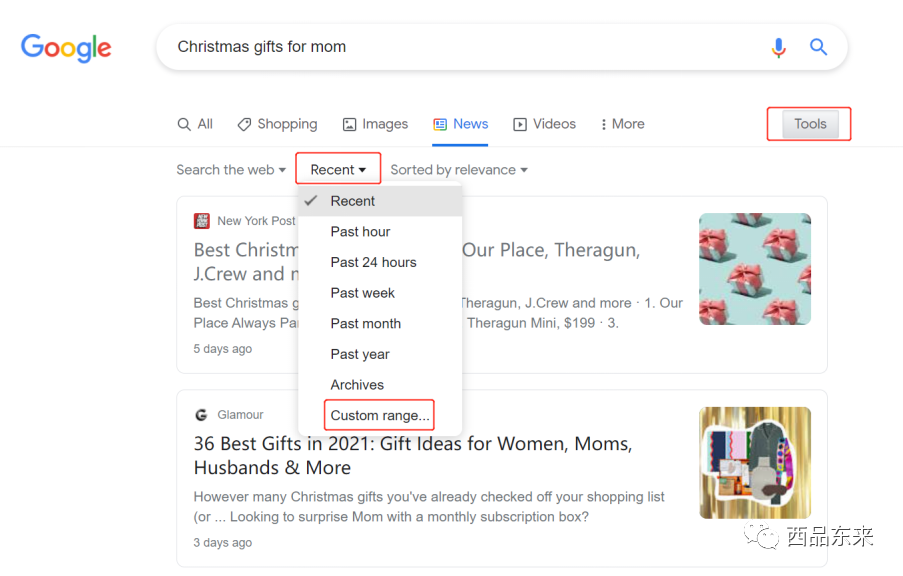
Seasonal search and content opportunity shown in the original article
Seasonal search and content opportunity shown in the original article. Interface details reflect the source capture date.

Separate recurring demand from short-lived news

Recurring holidays, annual reports and buying seasons can justify a durable landing page. A one-off news story usually needs a different publishing and retirement plan because its usefulness may disappear after the event. The useful question is not whether the tactic sounds plausible in isolation, but whether it helps a defined audience complete a real task and supports the page's intended role.

Classify each opportunity as recurring, date-bound or reactive, and set the update, archive and redirect decision for the destination in advance. Record the owner, scope and expected outcome before implementation. Then review multi-year trends, query language, referral dates and the continuing usefulness of the source page so the decision can be checked against observable evidence instead of intuition alone.

  • Purpose: connect this section to the visitor decision it is meant to improve.
  • Implementation: Classify each opportunity as recurring, date-bound or reactive, and set the update, archive and redirect decision for the destination in advance.
  • Evidence: review multi-year trends, query language, referral dates and the continuing usefulness of the source page before declaring the work successful.
  • Control: preserve the baseline, reviewer and rollback condition in the work record.
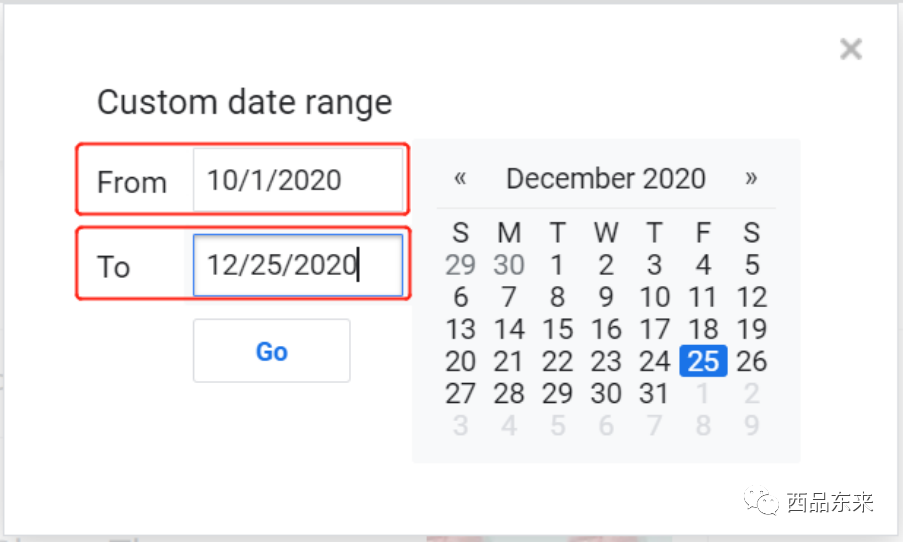
Recurring seasonal demand example retained from the source
Recurring seasonal demand example retained from the source. Interface details reflect the source capture date.

Build the campaign backwards from publication dates

Editorial teams often commission seasonal material weeks or months before readers begin searching at scale. Waiting for the demand peak can leave no time for research, outreach, review or indexing. The useful question is not whether the tactic sounds plausible in isolation, but whether it helps a defined audience complete a real task and supports the page's intended role.

Create a backwards calendar that includes asset production, prospect research, outreach, follow-up, publication and a final destination-page check. Record the owner, scope and expected outcome before implementation. Then review historical publication dates, editorial submission windows, crawl timing and the date on which referral traffic usually begins so the decision can be checked against observable evidence instead of intuition alone.

  • Purpose: connect this section to the visitor decision it is meant to improve.
  • Implementation: Create a backwards calendar that includes asset production, prospect research, outreach, follow-up, publication and a final destination-page check.
  • Evidence: review historical publication dates, editorial submission windows, crawl timing and the date on which referral traffic usually begins before declaring the work successful.
  • Control: preserve the baseline, reviewer and rollback condition in the work record.
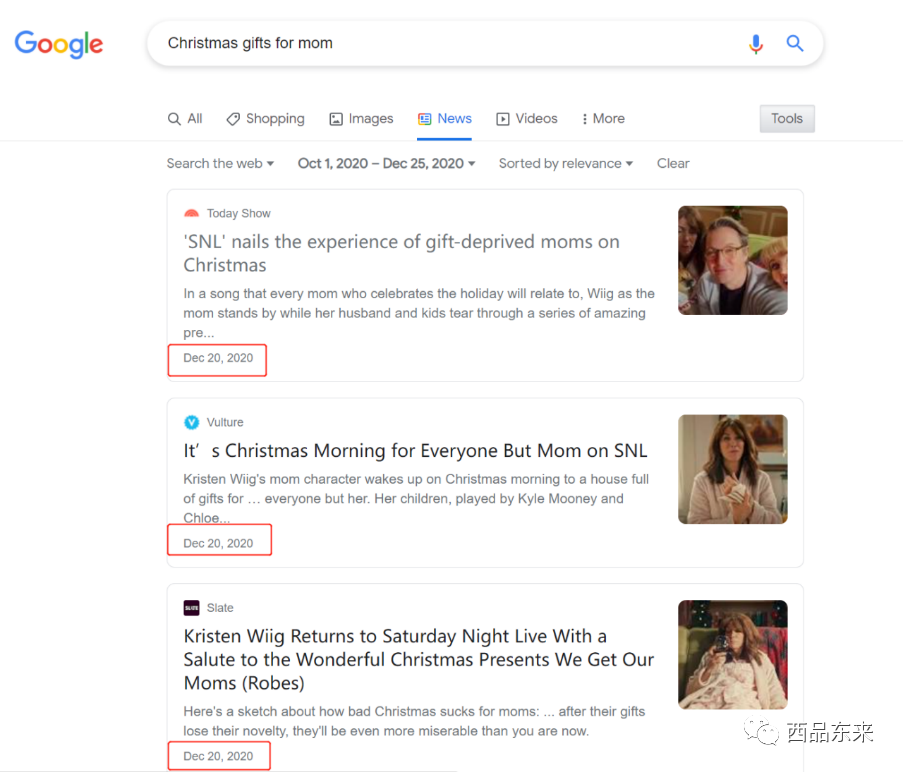
Seasonal campaign timing example from the original page
Seasonal campaign timing example from the original page. Interface details reflect the source capture date.

Create an asset worth citing

A publisher needs a reason to reference the destination. Original data, a practical calendar, a comparison, a specialist explanation or a clearly licensed visual gives the pitch more substance than a generic commercial page. The useful question is not whether the tactic sounds plausible in isolation, but whether it helps a defined audience complete a real task and supports the page's intended role.

Match the asset format to the questions publishers repeatedly answer and disclose the method, date and limitations behind any data. Record the owner, scope and expected outcome before implementation. Then review editorial relevance, source transparency, licensing, accessibility and whether the asset helps without requiring a purchase so the decision can be checked against observable evidence instead of intuition alone.

  • Purpose: connect this section to the visitor decision it is meant to improve.
  • Implementation: Match the asset format to the questions publishers repeatedly answer and disclose the method, date and limitations behind any data.
  • Evidence: review editorial relevance, source transparency, licensing, accessibility and whether the asset helps without requiring a purchase before declaring the work successful.
  • Control: preserve the baseline, reviewer and rollback condition in the work record.
Linkable seasonal resource example from the Chinese source
Linkable seasonal resource example from the Chinese source. Interface details reflect the source capture date.

A good outreach message explains why the proposed resource helps that publication and its readers. Domain metrics can support prioritization, but they do not replace editorial fit or guarantee referral value. The useful question is not whether the tactic sounds plausible in isolation, but whether it helps a defined audience complete a real task and supports the page's intended role.

Reference the relevant article or calendar, explain the precise gap and offer the asset without demanding anchor text or publication. Record the owner, scope and expected outcome before implementation. Then review topic alignment, editorial standards, real audience overlap, response quality and resulting qualified visits so the decision can be checked against observable evidence instead of intuition alone.

  • Purpose: connect this section to the visitor decision it is meant to improve.
  • Implementation: Reference the relevant article or calendar, explain the precise gap and offer the asset without demanding anchor text or publication.
  • Evidence: review topic alignment, editorial standards, real audience overlap, response quality and resulting qualified visits before declaring the work successful.
  • Control: preserve the baseline, reviewer and rollback condition in the work record.
Outreach research example retained beside the localized guidance
Outreach research example retained beside the localized guidance. Interface details reflect the source capture date.

Protect the destination after the season ends

A seasonal URL can continue earning visits and citations after the peak. Removing it without a plan wastes that accumulated context, while leaving stale dates and offers can mislead visitors. The useful question is not whether the tactic sounds plausible in isolation, but whether it helps a defined audience complete a real task and supports the page's intended role.

Keep durable explanations live, update recurring details, mark expired offers clearly and redirect only when a genuinely equivalent destination exists. Record the owner, scope and expected outcome before implementation. Then review backlinks, recurring impressions, referral landings, accuracy of dated details and the next scheduled update so the decision can be checked against observable evidence instead of intuition alone.

  • Purpose: connect this section to the visitor decision it is meant to improve.
  • Implementation: Keep durable explanations live, update recurring details, mark expired offers clearly and redirect only when a genuinely equivalent destination exists.
  • Evidence: review backlinks, recurring impressions, referral landings, accuracy of dated details and the next scheduled update before declaring the work successful.
  • Control: preserve the baseline, reviewer and rollback condition in the work record.
Post-season link and page review example from the source
Post-season link and page review example from the source. Interface details reflect the source capture date.

Measure the campaign without overstating attribution

A seasonal campaign may influence discovery, direct visits, branded search and later conversions. A new link and a ranking change can occur together without proving that the link caused the movement. The useful question is not whether the tactic sounds plausible in isolation, but whether it helps a defined audience complete a real task and supports the page's intended role.

Track publication, referral visits, assisted outcomes, crawl discovery and representative rankings while noting other content, technical and market changes. Record the owner, scope and expected outcome before implementation. Then review before-and-after link records, analytics annotations, qualified referral behavior and repeat performance across comparable seasons so the decision can be checked against observable evidence instead of intuition alone.

  • Purpose: connect this section to the visitor decision it is meant to improve.
  • Implementation: Track publication, referral visits, assisted outcomes, crawl discovery and representative rankings while noting other content, technical and market changes.
  • Evidence: review before-and-after link records, analytics annotations, qualified referral behavior and repeat performance across comparable seasons before declaring the work successful.
  • Control: preserve the baseline, reviewer and rollback condition in the work record.
Seasonal link performance review shown in the original article
Seasonal link performance review shown in the original article. Interface details reflect the source capture date.

Final perspective

Seasonality can make outreach more relevant because publishers and readers already share a timely question. It does not make low-quality placements, undisclosed payment or forced anchors acceptable. The useful question is not whether the tactic sounds plausible in isolation, but whether it helps a defined audience complete a real task and supports the page's intended role.

Use the seasonal calendar as a planning constraint, produce something genuinely helpful and preserve the relationship after the campaign ends. Record the owner, scope and expected outcome before implementation. Then review editorial acceptance, useful referral activity, destination accuracy and the campaign record retained for the next cycle so the decision can be checked against observable evidence instead of intuition alone.

  • Purpose: connect this section to the visitor decision it is meant to improve.
  • Implementation: Use the seasonal calendar as a planning constraint, produce something genuinely helpful and preserve the relationship after the campaign ends.
  • Evidence: review editorial acceptance, useful referral activity, destination accuracy and the campaign record retained for the next cycle before declaring the work successful.
  • Control: preserve the baseline, reviewer and rollback condition in the work record.
Ready when you are

Build a search growth system that compounds.

Tell us about your market, website and growth target. We will identify the moves that matter first.

By submitting, you agree that we may use this information to respond to your request.