GlobalBrandsDigital logoGlobalBrandsDigital
Search intelligence

SEO for a New Website: Eight Essential Steps

Choose the domain, platform and hosting, establish measurement, research demand, publish useful pages and monitor outcomes.

Explore
On this pageTable of contents
  1. 1. Choose a durable domain
  2. 2. Select the right website platform
  3. 3. Choose hosting for reliability and reach
  4. 4. Prepare measurement and diagnostic tools
  5. 5. Research keywords and customer demand
  6. 6. Create content that matches search intent
  7. Cover the important supporting subtopics
  8. Use originality checks as a warning, not a quality score
  9. Make the page easy to understand
  10. Complete on-page optimization
  11. 7. Distribute the work through relevant communities
  12. 8. Monitor rankings and business outcomes
  13. Launch checklist
  14. What should happen first after launch?

A new website has a rare advantage: important search decisions can be made before fragile URLs, templates and workflows become expensive to change. SEO should therefore begin with ownership and architecture, not with a request to add keywords after launch.

The source article organizes the work into eight foundations. This edition keeps that sequence, retains the original tool and interface examples in context, and replaces absolute rules with checks that a global team can verify.

Use keyword research to map demand, technical SEO to protect crawling and rendering, page optimization to improve relevance and measurement to learn after launch. Continue with the first-page ranking workflow and use freshness distance to plan later reviews.

1. Choose a durable domain

A domain should be memorable, defensible and easy to communicate in the markets the site will serve. Exact-match words are not a substitute for a real brand, and changing domains later creates migration risk. The useful question is not whether the tactic sounds plausible in isolation, but whether it helps a defined audience complete a real task and supports the page's intended role.

Check ownership, trademark conflicts, pronunciation, renewal terms and historical use before committing to the address. Record the owner, scope and expected outcome before implementation. Then review registration records, archive history, backlink history, market-language review and the final canonical format so the decision can be checked against observable evidence instead of intuition alone.

Apply the change to a controlled set of pages first. Compare the result with the baseline, document side effects and keep a rollback path. This makes the recommendation portable across markets without implying that every site will respond in the same way.

  • Purpose: connect this section to the visitor decision it is meant to improve.
  • Implementation: Check ownership, trademark conflicts, pronunciation, renewal terms and historical use before committing to the address.
  • Evidence: review registration records, archive history, backlink history, market-language review and the final canonical format before declaring the work successful.
  • Control: preserve the baseline, reviewer and rollback condition in the work record.
Eight-step SEO roadmap from the original guide
Eight-step SEO roadmap from the original guide. Interface details reflect the source capture date.
Domain search and pricing interface shown in the source
Domain search and pricing interface shown in the source. Interface details reflect the source capture date.

2. Select the right website platform

The platform must support the page types, structured data, international setup, performance and editorial controls the business actually needs. Popularity alone does not make a tool suitable. The useful question is not whether the tactic sounds plausible in isolation, but whether it helps a defined audience complete a real task and supports the page's intended role.

Document functional requirements and test URL control, metadata, redirects, rendering, access roles and export options before building the full site. Record the owner, scope and expected outcome before implementation. Then review a working prototype, platform documentation, ownership terms, maintenance capacity and the cost of likely extensions so the decision can be checked against observable evidence instead of intuition alone.

Apply the change to a controlled set of pages first. Compare the result with the baseline, document side effects and keep a rollback path. This makes the recommendation portable across markets without implying that every site will respond in the same way.

  • Purpose: connect this section to the visitor decision it is meant to improve.
  • Implementation: Document functional requirements and test URL control, metadata, redirects, rendering, access roles and export options before building the full site.
  • Evidence: review a working prototype, platform documentation, ownership terms, maintenance capacity and the cost of likely extensions before declaring the work successful.
  • Control: preserve the baseline, reviewer and rollback condition in the work record.
WordPress website builder homepage shown in the source
WordPress website builder homepage shown in the source. Interface details reflect the source capture date.
Shopify commerce platform homepage shown in the source
Shopify commerce platform homepage shown in the source. Interface details reflect the source capture date.

3. Choose hosting for reliability and reach

Hosting influences availability, response time, security operations and the ease of deploying changes. The most expensive plan is not automatically the best, but a fragile setup can undermine every page. The useful question is not whether the tactic sounds plausible in isolation, but whether it helps a defined audience complete a real task and supports the page's intended role.

Match location, caching, backups, support, scaling and recovery objectives to the audience and application architecture. Record the owner, scope and expected outcome before implementation. Then review uptime history, real-user performance, recovery tests, support response and ownership of DNS and deployment credentials so the decision can be checked against observable evidence instead of intuition alone.

Apply the change to a controlled set of pages first. Compare the result with the baseline, document side effects and keep a rollback path. This makes the recommendation portable across markets without implying that every site will respond in the same way.

  • Purpose: connect this section to the visitor decision it is meant to improve.
  • Implementation: Match location, caching, backups, support, scaling and recovery objectives to the audience and application architecture.
  • Evidence: review uptime history, real-user performance, recovery tests, support response and ownership of DNS and deployment credentials before declaring the work successful.
  • Control: preserve the baseline, reviewer and rollback condition in the work record.
Managed cloud hosting page shown in the source
Managed cloud hosting page shown in the source. Interface details reflect the source capture date.

4. Prepare measurement and diagnostic tools

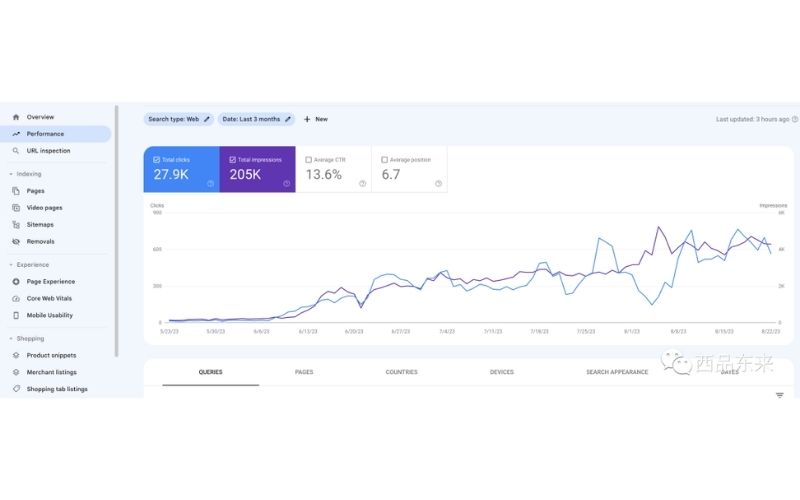
Search Console, Bing Webmaster Tools, analytics and a crawler answer different questions. Set them up before launch so the team has a baseline and can detect access or tracking faults. The useful question is not whether the tactic sounds plausible in isolation, but whether it helps a defined audience complete a real task and supports the page's intended role.

Verify ownership, submit the correct sitemap, define meaningful events and test that consent choices and filters behave as intended. Record the owner, scope and expected outcome before implementation. Then review verified properties, crawl samples, event-debug output, sitemap status and documented data exclusions so the decision can be checked against observable evidence instead of intuition alone.

Apply the change to a controlled set of pages first. Compare the result with the baseline, document side effects and keep a rollback path. This makes the recommendation portable across markets without implying that every site will respond in the same way.

  • Purpose: connect this section to the visitor decision it is meant to improve.
  • Implementation: Verify ownership, submit the correct sitemap, define meaningful events and test that consent choices and filters behave as intended.
  • Evidence: review verified properties, crawl samples, event-debug output, sitemap status and documented data exclusions before declaring the work successful.
  • Control: preserve the baseline, reviewer and rollback condition in the work record.
Search performance report used for setup validation
Search performance report used for setup validation. Interface details reflect the source capture date.
Example URL copied from a browser address bar
Example URL copied from a browser address bar. Interface details reflect the source capture date.

5. Research keywords and customer demand

Keyword research connects audience language to page decisions. Estimated volume and difficulty are useful inputs, but live results, business fit and the evidence required to compete determine the real opportunity. The useful question is not whether the tactic sounds plausible in isolation, but whether it helps a defined audience complete a real task and supports the page's intended role.

Group queries by intent and topic, map each group to one page role and record the market, language, source and date for every estimate. Record the owner, scope and expected outcome before implementation. Then review live result types, first-party query data, customer questions, competitor coverage and realistic conversion relevance so the decision can be checked against observable evidence instead of intuition alone.

Apply the change to a controlled set of pages first. Compare the result with the baseline, document side effects and keep a rollback path. This makes the recommendation portable across markets without implying that every site will respond in the same way.

  • Purpose: connect this section to the visitor decision it is meant to improve.
  • Implementation: Group queries by intent and topic, map each group to one page role and record the market, language, source and date for every estimate.
  • Evidence: review live result types, first-party query data, customer questions, competitor coverage and realistic conversion relevance before declaring the work successful.
  • Control: preserve the baseline, reviewer and rollback condition in the work record.
Keyword generator interface with a seed query
Keyword generator interface with a seed query. Interface details reflect the source capture date.
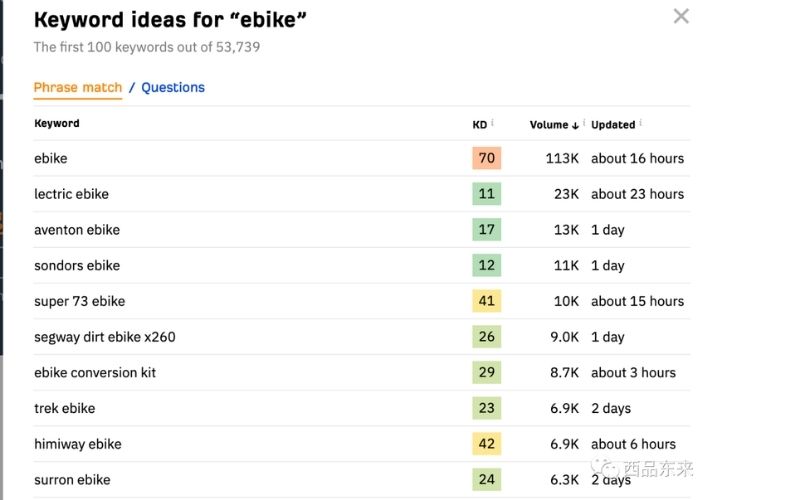
Keyword ideas with estimated demand and difficulty
Keyword ideas with estimated demand and difficulty. Interface details reflect the source capture date.

6. Create content that matches search intent

The ranking page must answer the job implied by the query in a format people can use. A service page, comparison, tutorial and product category solve different needs even when they share vocabulary. The useful question is not whether the tactic sounds plausible in isolation, but whether it helps a defined audience complete a real task and supports the page's intended role.

Review the result set, identify the dominant type, format and angle, then decide where original evidence or experience can improve the answer. Record the owner, scope and expected outcome before implementation. Then review SERP composition, audience task completion, content gaps, source quality and behavior on the published page so the decision can be checked against observable evidence instead of intuition alone.

Apply the change to a controlled set of pages first. Compare the result with the baseline, document side effects and keep a rollback path. This makes the recommendation portable across markets without implying that every site will respond in the same way.

  • Purpose: connect this section to the visitor decision it is meant to improve.
  • Implementation: Review the result set, identify the dominant type, format and angle, then decide where original evidence or experience can improve the answer.
  • Evidence: review SERP composition, audience task completion, content gaps, source quality and behavior on the published page before declaring the work successful.
  • Control: preserve the baseline, reviewer and rollback condition in the work record.
Search-intent framework based on type, format and angle
Search-intent framework based on type, format and angle. Interface details reflect the source capture date.
Source slide explaining why search intent matters
Source slide explaining why search intent matters. Interface details reflect the source capture date.

Cover the important supporting subtopics

A complete page answers the close follow-up questions a reader needs before moving on. It should not accumulate every remotely related phrase or imitate the longest competing page. The useful question is not whether the tactic sounds plausible in isolation, but whether it helps a defined audience complete a real task and supports the page's intended role.

Extract recurring entities, comparisons, prerequisites and objections, then include only the subtopics that support the main intent. Record the owner, scope and expected outcome before implementation. Then review result-page headings, customer interviews, support logs, expert review and the page brief so the decision can be checked against observable evidence instead of intuition alone.

Apply the change to a controlled set of pages first. Compare the result with the baseline, document side effects and keep a rollback path. This makes the recommendation portable across markets without implying that every site will respond in the same way.

  • Purpose: connect this section to the visitor decision it is meant to improve.
  • Implementation: Extract recurring entities, comparisons, prerequisites and objections, then include only the subtopics that support the main intent.
  • Evidence: review result-page headings, customer interviews, support logs, expert review and the page brief before declaring the work successful.
  • Control: preserve the baseline, reviewer and rollback condition in the work record.

Use originality checks as a warning, not a quality score

The source recommends an originality threshold, but a percentage from a similarity tool cannot prove usefulness or authorship. Common product and technical language can also create harmless matches. The useful question is not whether the tactic sounds plausible in isolation, but whether it helps a defined audience complete a real task and supports the page's intended role.

Investigate substantial overlap, cite sources and add first-hand explanation instead of optimizing toward an arbitrary similarity percentage. Record the owner, scope and expected outcome before implementation. Then review matching passages, source attribution, editorial review, factual support and the contribution unique to the page so the decision can be checked against observable evidence instead of intuition alone.

Apply the change to a controlled set of pages first. Compare the result with the baseline, document side effects and keep a rollback path. This makes the recommendation portable across markets without implying that every site will respond in the same way.

  • Purpose: connect this section to the visitor decision it is meant to improve.
  • Implementation: Investigate substantial overlap, cite sources and add first-hand explanation instead of optimizing toward an arbitrary similarity percentage.
  • Evidence: review matching passages, source attribution, editorial review, factual support and the contribution unique to the page before declaring the work successful.
  • Control: preserve the baseline, reviewer and rollback condition in the work record.

Make the page easy to understand

Clear language, descriptive headings, examples and sensible progression help both readers and systems interpret the page. Readability tools are prompts, not universal standards. The useful question is not whether the tactic sounds plausible in isolation, but whether it helps a defined audience complete a real task and supports the page's intended role.

Edit for the intended audience, explain specialist terms, shorten overloaded sentences and test the page with representative readers. Record the owner, scope and expected outcome before implementation. Then review task completion, comprehension feedback, support questions, accessible markup and readability indicators used in context so the decision can be checked against observable evidence instead of intuition alone.

Apply the change to a controlled set of pages first. Compare the result with the baseline, document side effects and keep a rollback path. This makes the recommendation portable across markets without implying that every site will respond in the same way.

  • Purpose: connect this section to the visitor decision it is meant to improve.
  • Implementation: Edit for the intended audience, explain specialist terms, shorten overloaded sentences and test the page with representative readers.
  • Evidence: review task completion, comprehension feedback, support questions, accessible markup and readability indicators used in context before declaring the work successful.
  • Control: preserve the baseline, reviewer and rollback condition in the work record.
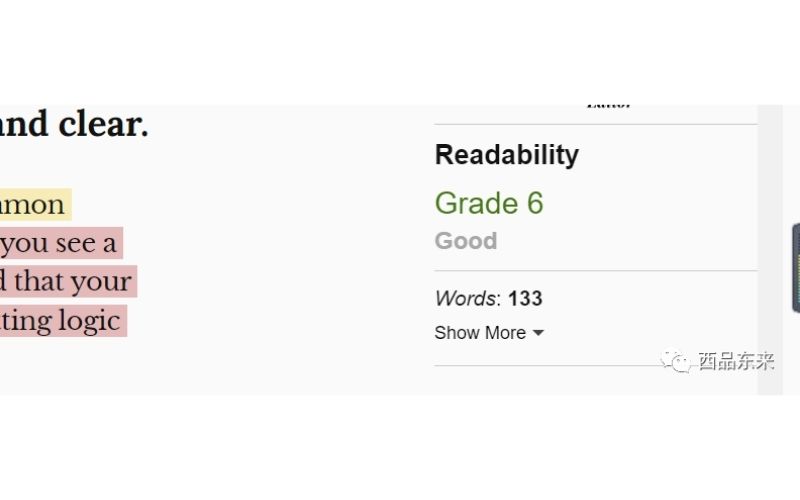
Readability assessment displayed in the source
Readability assessment displayed in the source. Interface details reflect the source capture date.
Community forum used to discover audience questions
Community forum used to discover audience questions. Interface details reflect the source capture date.

Complete on-page optimization

Titles, headings, descriptive URLs, image alternatives, internal links and structured data should reinforce the page purpose without repeating keywords mechanically. The useful question is not whether the tactic sounds plausible in isolation, but whether it helps a defined audience complete a real task and supports the page's intended role.

Write a unique title and description, retain one H1, map internal links to useful next steps and validate the rendered metadata. Record the owner, scope and expected outcome before implementation. Then review rendered HTML, search snippets, link destinations, schema validation and mobile layout so the decision can be checked against observable evidence instead of intuition alone.

Apply the change to a controlled set of pages first. Compare the result with the baseline, document side effects and keep a rollback path. This makes the recommendation portable across markets without implying that every site will respond in the same way.

  • Purpose: connect this section to the visitor decision it is meant to improve.
  • Implementation: Write a unique title and description, retain one H1, map internal links to useful next steps and validate the rendered metadata.
  • Evidence: review rendered HTML, search snippets, link destinations, schema validation and mobile layout before declaring the work successful.
  • Control: preserve the baseline, reviewer and rollback condition in the work record.
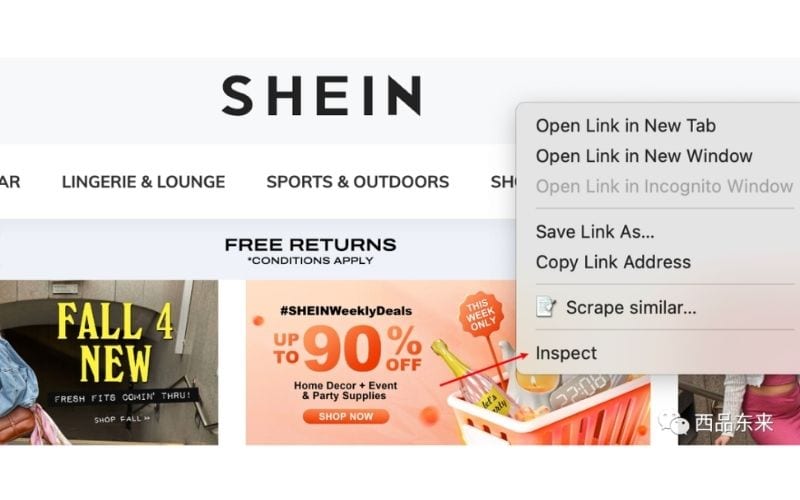
Retail homepage inspected in a browser
Retail homepage inspected in a browser. Interface details reflect the source capture date.
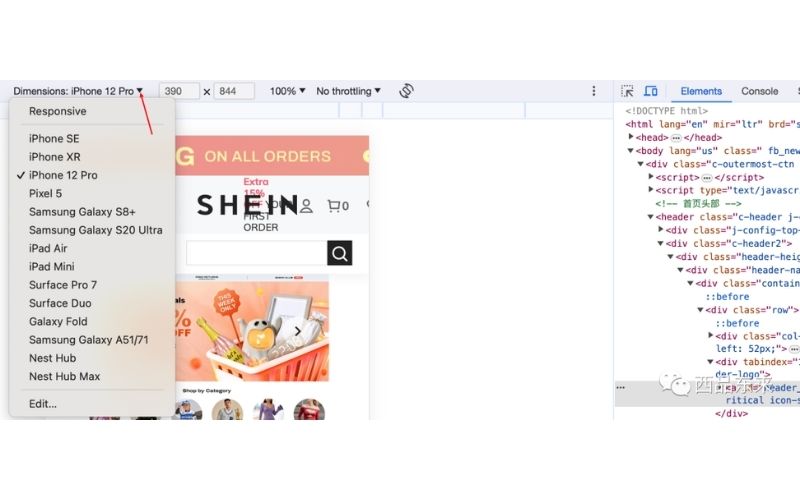
Mobile viewport inspection in browser developer tools
Mobile viewport inspection in browser developer tools. Interface details reflect the source capture date.
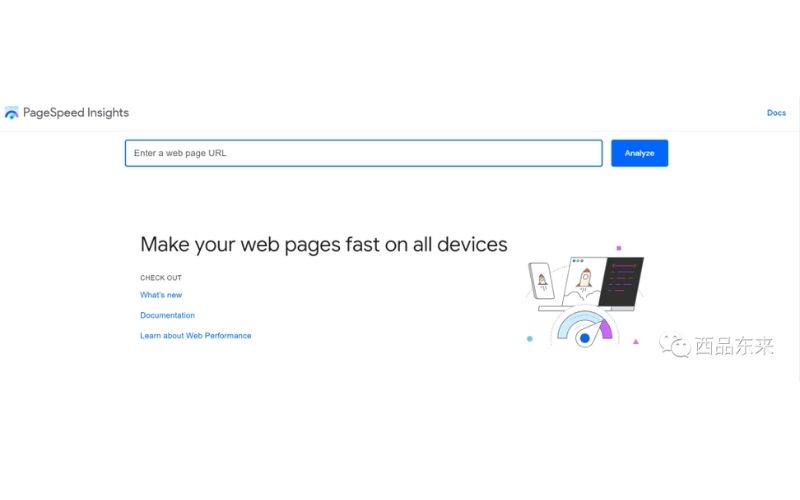
PageSpeed Insights input screen
PageSpeed Insights input screen. Interface details reflect the source capture date.

7. Distribute the work through relevant communities

Social sharing can help the right audience discover useful content and provide early feedback. Posting the same promotional message everywhere does not create authority. The useful question is not whether the tactic sounds plausible in isolation, but whether it helps a defined audience complete a real task and supports the page's intended role.

Choose communities with genuine topic fit, adapt the explanation to their rules and participate without manufacturing endorsements. Record the owner, scope and expected outcome before implementation. Then review qualified visits, useful discussion, saves, citations and compliance with community and disclosure requirements so the decision can be checked against observable evidence instead of intuition alone.

Apply the change to a controlled set of pages first. Compare the result with the baseline, document side effects and keep a rollback path. This makes the recommendation portable across markets without implying that every site will respond in the same way.

  • Purpose: connect this section to the visitor decision it is meant to improve.
  • Implementation: Choose communities with genuine topic fit, adapt the explanation to their rules and participate without manufacturing endorsements.
  • Evidence: review qualified visits, useful discussion, saves, citations and compliance with community and disclosure requirements before declaring the work successful.
  • Control: preserve the baseline, reviewer and rollback condition in the work record.

8. Monitor rankings and business outcomes

Rank tracking shows one part of search visibility and varies by location, device and result features. It should be interpreted with impressions, clicks, qualified visits and business outcomes. The useful question is not whether the tactic sounds plausible in isolation, but whether it helps a defined audience complete a real task and supports the page's intended role.

Record a baseline, monitor a representative keyword set and annotate releases, seasonality and measurement changes. Record the owner, scope and expected outcome before implementation. Then review Search Console trends, rank distributions, landing-page quality, conversions and the implementation timeline so the decision can be checked against observable evidence instead of intuition alone.

Apply the change to a controlled set of pages first. Compare the result with the baseline, document side effects and keep a rollback path. This makes the recommendation portable across markets without implying that every site will respond in the same way.

  • Purpose: connect this section to the visitor decision it is meant to improve.
  • Implementation: Record a baseline, monitor a representative keyword set and annotate releases, seasonality and measurement changes.
  • Evidence: review Search Console trends, rank distributions, landing-page quality, conversions and the implementation timeline before declaring the work successful.
  • Control: preserve the baseline, reviewer and rollback condition in the work record.
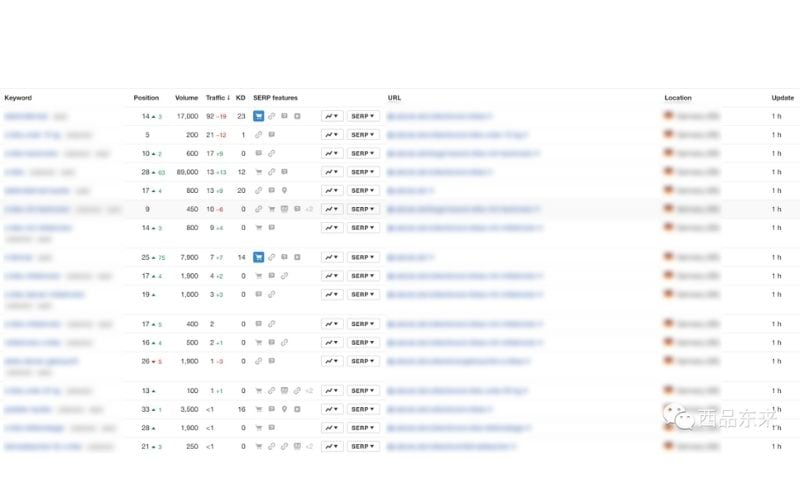
Keyword ranking table used for ongoing monitoring
Keyword ranking table used for ongoing monitoring. Interface details reflect the source capture date.

Launch checklist

Before release, crawl the final build and verify status codes, canonicals, index directives, language annotations, structured data, internal links, media, responsive behavior and forms. Confirm that the analytics baseline is working without collecting data outside the consent model.

After release, inspect the production URLs rather than assuming that a successful build proves the site is correct. Keep the launch log, redirect map and rollback procedure together so later changes remain traceable.

What should happen first after launch?

Check that priority pages are accessible, indexable and present in the sitemap, then review Search Console discovery and real-user behavior. Do not respond to daily ranking noise with unplanned structural changes.

Ready when you are

Build a search growth system that compounds.

Tell us about your market, website and growth target. We will identify the moves that matter first.

By submitting, you agree that we may use this information to respond to your request.