GlobalBrandsDigital logoGlobalBrandsDigital
Search intelligence

Can Google PPC Help Earn Links? A White-Hat Test

Use paid search to put a citeable asset in front of researchers while preserving editorial choice, disclosure and a measurable test.

Explore
On this pageTable of contents
  1. The strategy
  2. Choose a citeable destination
  3. Target research intent
  4. Is the approach viable?
  5. Measure incremental discovery
  6. Additional safeguards
  7. A controlled pilot plan

Paid search can help researchers discover an asset they may later choose to cite. That is different from purchasing a backlink: the advertiser pays only for distribution, and the publisher retains complete editorial control.

The source introduces this white-hat idea with a traffic and link example. This edition keeps the workflow while adding asset-quality requirements, search-term controls, disclosure, privacy, incremental measurement and explicit stop conditions.

Build the destination with evidence-led content, evaluate earned references through responsible authority development, connect campaign learning to search measurement and compare the pilot with the seasonal link planning method. The broader Google Ads operating guide covers account, budget and measurement controls.

The strategy

Paid search can expose a useful asset to journalists, researchers, bloggers and industry practitioners who are already looking for its topic. The ad buys discovery; it does not buy or require a link. The useful question is not whether the tactic sounds plausible in isolation, but whether it helps a defined audience complete a real task and supports the page's intended role.

Promote an original study, tool, statistic, template or visual to informational queries used by people likely to cite sources. Record the owner, scope and expected outcome before implementation. Then review query intent, landing-page usefulness, publisher audience fit, referral behavior and links earned without obligation so the decision can be checked against observable evidence instead of intuition alone.

  • Purpose: connect this section to the visitor decision it is meant to improve.
  • Implementation: Promote an original study, tool, statistic, template or visual to informational queries used by people likely to cite sources.
  • Evidence: review query intent, landing-page usefulness, publisher audience fit, referral behavior and links earned without obligation before declaring the work successful.
  • Control: preserve the baseline, reviewer and rollback condition in the work record.
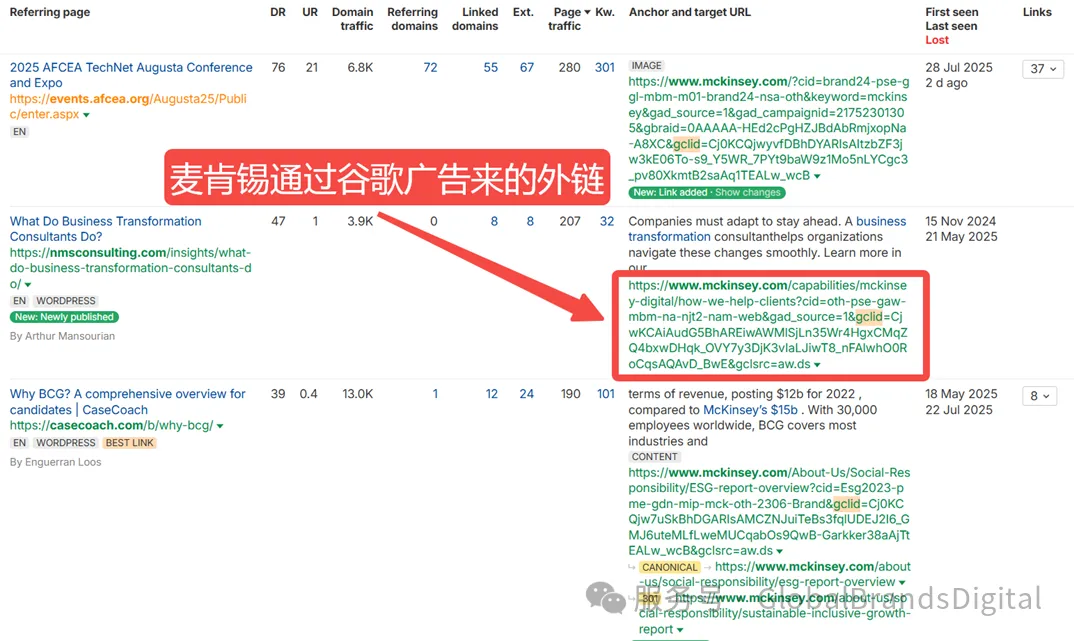
Commercial research links and traffic data shown in the original PPC outreach example
Commercial research links and traffic data shown in the original PPC outreach example. Interface details reflect the source capture date.

Choose a citeable destination

A sales page rarely gives an editor a reason to cite it. The destination should answer the query independently and expose its method, date, authorship and limitations. The useful question is not whether the tactic sounds plausible in isolation, but whether it helps a defined audience complete a real task and supports the page's intended role.

Review the asset as an editor would and remove gates that prevent the promised evidence from being evaluated. Record the owner, scope and expected outcome before implementation. Then review source transparency, accessibility, licensing, independent usefulness and editorial review so the decision can be checked against observable evidence instead of intuition alone.

  • Purpose: connect this section to the visitor decision it is meant to improve.
  • Implementation: Review the asset as an editor would and remove gates that prevent the promised evidence from being evaluated.
  • Evidence: review source transparency, accessibility, licensing, independent usefulness and editorial review before declaring the work successful.
  • Control: preserve the baseline, reviewer and rollback condition in the work record.

Target research intent

Queries containing statistics, examples, data, templates or methods may indicate a researcher, but intent must be confirmed from the live results. Broad commercial keywords usually waste this budget. The useful question is not whether the tactic sounds plausible in isolation, but whether it helps a defined audience complete a real task and supports the page's intended role.

Use exact and phrase controls, relevant negatives, market settings and a small test budget. Record the owner, scope and expected outcome before implementation. Then review search-term reports, landing-page engagement, publisher domains and invalid traffic so the decision can be checked against observable evidence instead of intuition alone.

  • Purpose: connect this section to the visitor decision it is meant to improve.
  • Implementation: Use exact and phrase controls, relevant negatives, market settings and a small test budget.
  • Evidence: review search-term reports, landing-page engagement, publisher domains and invalid traffic before declaring the work successful.
  • Control: preserve the baseline, reviewer and rollback condition in the work record.

Is the approach viable?

The approach is viable when the asset has citation value, the audience can be reached efficiently and the organization can wait for voluntary editorial outcomes. A click never guarantees a backlink. The useful question is not whether the tactic sounds plausible in isolation, but whether it helps a defined audience complete a real task and supports the page's intended role.

Define a learning budget, attribution window and stop condition before launch. Record the owner, scope and expected outcome before implementation. Then review qualified visits, new referring pages, assisted discovery, cost and the quality of editorial relationships so the decision can be checked against observable evidence instead of intuition alone.

  • Purpose: connect this section to the visitor decision it is meant to improve.
  • Implementation: Define a learning budget, attribution window and stop condition before launch.
  • Evidence: review qualified visits, new referring pages, assisted discovery, cost and the quality of editorial relationships before declaring the work successful.
  • Control: preserve the baseline, reviewer and rollback condition in the work record.

Measure incremental discovery

A publisher may discover the asset through an ad and cite it later from another device or session. Platform conversions alone cannot capture the complete path. The useful question is not whether the tactic sounds plausible in isolation, but whether it helps a defined audience complete a real task and supports the page's intended role.

Annotate campaign dates and compare new links and mentions with a suitable pre-campaign or holdout baseline. Record the owner, scope and expected outcome before implementation. Then review referral logs, backlink discovery dates, branded searches, campaign parameters and manual verification so the decision can be checked against observable evidence instead of intuition alone.

  • Purpose: connect this section to the visitor decision it is meant to improve.
  • Implementation: Annotate campaign dates and compare new links and mentions with a suitable pre-campaign or holdout baseline.
  • Evidence: review referral logs, backlink discovery dates, branded searches, campaign parameters and manual verification before declaring the work successful.
  • Control: preserve the baseline, reviewer and rollback condition in the work record.

Additional safeguards

Advertising policies, disclosure, privacy and editorial independence still apply. The campaign must never request a followed link in exchange for payment or disguise sponsored distribution. The useful question is not whether the tactic sounds plausible in isolation, but whether it helps a defined audience complete a real task and supports the page's intended role.

Keep the ad claim accurate, collect only necessary data and separate media buying from editorial decisions. Record the owner, scope and expected outcome before implementation. Then review ad approvals, consent records, outreach messages, publisher disclosures and link context so the decision can be checked against observable evidence instead of intuition alone.

  • Purpose: connect this section to the visitor decision it is meant to improve.
  • Implementation: Keep the ad claim accurate, collect only necessary data and separate media buying from editorial decisions.
  • Evidence: review ad approvals, consent records, outreach messages, publisher disclosures and link context before declaring the work successful.
  • Control: preserve the baseline, reviewer and rollback condition in the work record.

A controlled pilot plan

A pilot protects budget and makes the hypothesis testable. One asset, one audience segment and a clear measurement window create a more interpretable result than a broad campaign. The useful question is not whether the tactic sounds plausible in isolation, but whether it helps a defined audience complete a real task and supports the page's intended role.

Launch the smallest useful test, review actual search terms and pause irrelevant traffic quickly. Record the owner, scope and expected outcome before implementation. Then review spend, qualified sessions, publisher visits, earned references and documented learnings so the decision can be checked against observable evidence instead of intuition alone.

  • Purpose: connect this section to the visitor decision it is meant to improve.
  • Implementation: Launch the smallest useful test, review actual search terms and pause irrelevant traffic quickly.
  • Evidence: review spend, qualified sessions, publisher visits, earned references and documented learnings before declaring the work successful.
  • Control: preserve the baseline, reviewer and rollback condition in the work record.
Ready when you are

Build a search growth system that compounds.

Tell us about your market, website and growth target. We will identify the moves that matter first.

By submitting, you agree that we may use this information to respond to your request.